
Plants
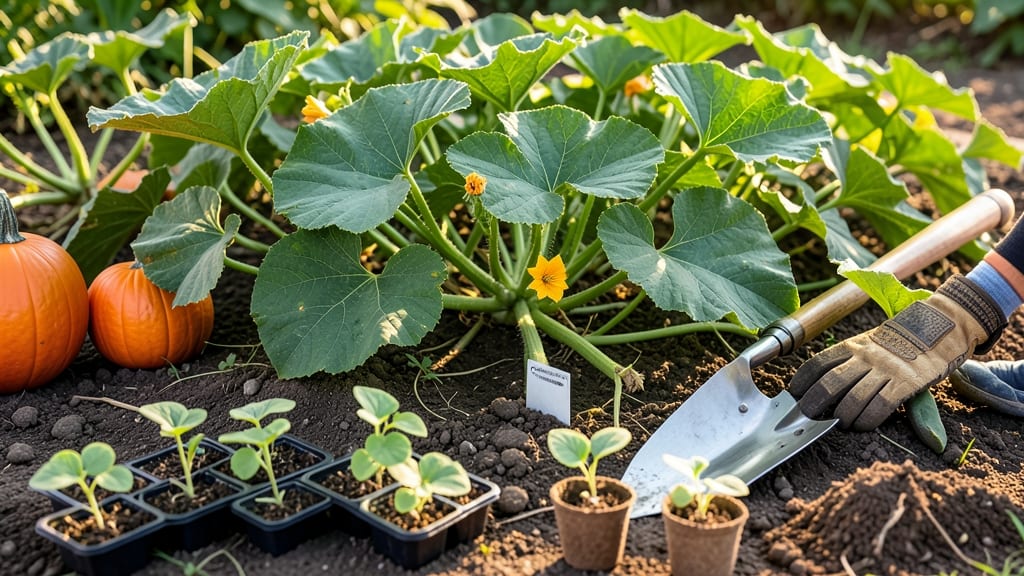
If you're eager to plant pumpkins in zone 7b at the right time, getting the timing right is your secret weapon. Plant too early, and frost will nip your vines before they even take off; too late, and your harvest might shrink to sad, underdeveloped fruits.
The perfect window—mid-April to early June—balances soil warmth and frost risk, setting you up for a bountiful fall.
Here's the game-changer: your pumpkins need at least 90 days to mature, so counting backward from your first frost date (around October 15 in 7b) is non-negotiable.
We'll break down exactly when to start seeds indoors or direct-sow outdoors, plus how to adjust for your specific microclimate—whether you're in the Piedmont's rolling hills or Appalachia's cooler valleys.
Skip the guesswork with my foolproof timeline, including soil temperature checks and transplanting tips. Whether you're a first-timer or a seasoned gardener, these insights will help you avoid common pitfalls like powdery mildew or stunted growth. Let's get those vines spreading strong and those pumpkins plumping up!
Ready to transform your garden into a pumpkin patch? I'll walk you through every step—from seed to harvest—so you can enjoy the sweet taste of success this fall. No more missed opportunities, just big, beautiful pumpkins 🎃 ready for carving or baking.
Zone 7b pumpkin planting timeline: exact dates for frost-free success
In Zone 7b, where average last frost dates hover around April 15 and first frosts arrive by October 15, timing your pumpkin planting is critical for a successful harvest.
With only 180 frost-free days, you’ll need to work within a tight window to ensure your vines mature before winter. The ideal planting window spans from mid-April to early June, but soil temperature and variety maturity play equally important roles in determining your exact start date.
For direct-sown seeds, wait until soil temperatures consistently reach 70°F (21°C)—typically by late April or early May in most Zone 7b regions. This warmth ensures strong germination and rapid vine growth.
If you’re using transplants, start them indoors 4-6 weeks before your target outdoor planting date, typically around early April, to give them a head start before transplanting after the last frost.
Your harvest window in Zone 7b runs from late September to October, so choose varieties with 75-120 day maturity to align with this timeline.
Early varieties like 'Jack Be Little' (75 days) work well for late plantings, while standard types like 'Howden' (100-120 days) need to be sown by early May to mature in time.
| Stage | Action | Zone 7b Timeline |
|---|---|---|
| Soil Prep | Test pH (6.0-7.0), amend with compost | March-April |
| Seed Starting (Indoors) | Sow 4-6 weeks before transplant | Early April |
| Direct Sowing | Plant seeds after last frost, soil 70°F+ | Mid-April to early June |
| Transplanting | Move seedlings outdoors after frost risk passes | Late April to early May |
| Flowering | Hand-pollinate if needed (early morning) | June-July |
| Harvest | Pick when rind hardens, before frost | Late September-October |
If you’re in a cooler microclimate within Zone 7b—like higher elevations in the Appalachian foothills—shift your planting dates 1-2 weeks later to avoid early-season frost damage. Conversely, in warmer Piedmont regions, you can start as early as late March for faster vine development.
Always monitor local weather forecasts, as unexpected cold snaps can delay planting by weeks.
For extended harvests, consider a succession planting strategy: sow a second batch of fast-maturing varieties (like 'Small Sugar') in early June. This ensures you’ll have pumpkins ready by mid-to-late September, even if the first planting faces summer heat stress.
Just be prepared to provide extra shade cloth during peak summer to protect young vines from wilting.
Remember, pumpkin vines need 15-30 feet of space to sprawl, so plan your garden layout accordingly. Use trellises or cages for dwarf varieties like 'Sugar Pie' to save space, but standard types will require ample ground coverage.
Mark your planting spots early to avoid crowding, as overcrowded vines lead to poor fruit development and increased disease risk.
Pro tip: Use a soil thermometer to confirm temperatures before planting—cold soil can delay germination by 2-3 weeks. Aim for consistent 70°F+ readings for the best start, especially if you’re planting in sandy or rocky soil, which warms up faster than clay-heavy soils.
Adjust your timeline based on your specific soil type to avoid common germination delays.
Finally, keep an eye on your local frost dates, which can vary by 1-2 weeks even within Zone 7b. Check resources like the National Weather Service or Almanac frost calculators to refine your planting schedule.
With the right timing, you’ll be carving homegrown pumpkins by Halloween—just in time for the season’s biggest celebration! 🎃
5 Critical factors that determine your pumpkin planting schedule in Zone 7b
Planting pumpkins in Zone 7b isn’t just about dates—it’s about understanding how your local climate interacts with your pumpkin’s needs. While the last frost date (around April 15) is a starting point, five key factors will fine-tune your schedule for a bountiful harvest.
Ignoring these can lead to stunted vines, poor fruit set, or even total crop failure. Let’s break down what truly matters beyond the calendar.
First, soil temperature is non-negotiable. Pumpkin seeds need soil that’s at least 70°F (21°C) to germinate reliably. In Zone 7b, this typically means waiting until mid-May unless you’re using black plastic mulch to warm the soil faster.
Cold soil delays sprouting and invites rot—so always check with a soil thermometer before planting. Pro tip: Direct-sown seeds in cooler soil may take 10-14 days to emerge, while seedlings need warmer conditions to thrive.
Soil Temp
Wait until soil reaches 70°F (21°C)—typically mid-May in Zone 7b. Use mulch to warm soil faster if planting early.
Day Length
Longer days (14+ hours) after June 21 boost vine growth. Plant too late, and vines may struggle to mature before frost.
Variety Maturity
Choose 75-90 day varieties (e.g., 'Howden') for Zone 7b. Longer-maturing types (e.g., 'Cinderella') risk frost damage if planted after June 1.
Pest Risks
Squash bugs and powdery mildew peak in July-August. Plant before July 1 to avoid peak infestations, or use row covers for early seedlings.
Microclimate
South-facing slopes warm faster; valleys stay cooler. Adjust planting by 1-2 weeks based on your spot’s warmth.
Second, day length plays a surprising role. Pumpkins thrive with 14+ hours of daylight, which typically starts after the summer solstice (June 21). Planting too late—say, after June 15—can stunt vine growth because shorter days slow photosynthesis.
If you’re aiming for a late harvest, opt for fast-maturing varieties (75 days) and plant by June 10 to ensure maturity before frost.
Third, your pumpkin variety dictates your deadline. In Zone 7b, standard varieties like 'Howden' (90 days) need to be in the ground by May 15 to finish by October 15. Dwarf varieties like 'Jack Be Little' (80 days) offer a 2-week buffer if planted by June 1.
Always check seed packets for days to maturity and subtract your average first frost date (October 15) to calculate your cutoff.
Fourth, pest pressure shifts with the seasons. Squash bugs and powdery mildew hit hardest in July and August in Zone 7b. Planting before July 1 lets vines establish strong roots before pests peak.
For extra protection, use row covers for the first 4 weeks or apply neem oil preventatively. If you’re starting seedlings indoors, transplant them outdoors by May 1 to avoid this window entirely.
Finally, your microclimate can shift your schedule by 1-2 weeks. A south-facing slope might warm enough for planting by April 20, while a shady valley could delay germination until May 10.
Observe your garden’s warmth patterns for 2-3 years to refine your timing. For example, if your soil hits 70°F by May 5 every year, start seeds then instead of waiting for the average date.