
Plants
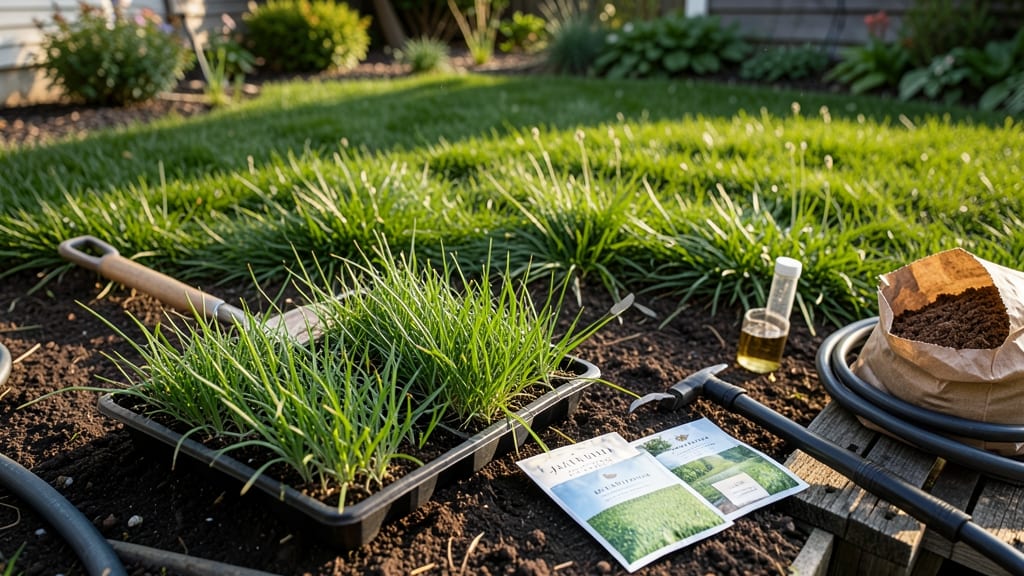
Timing your grass planting in Colorado could make or break your lawn—especially when elevation zones shift frost dates by weeks. What works in Denver’s 5,000-foot valleys won’t cut it for mountain towns above 8,000 feet, where soil stays cold longer and drought hits harder.
Most gardeners assume early spring is the only window, but Colorado’s cool-season grasses actually thrive with fall planting too—just 6-8 weeks before frost. I’ll break down the exact months for your specific zone, plus how to spot the ideal soil temperature (hint: it’s not what you’ve been checking).
Skip the guesswork and avoid common pitfalls like planting too early (frost kills seedlings) or too late (summer drought stunts growth). You’ll learn how to prep your soil for Colorado’s rocky terrain, adjust for urban heat islands, and even pick the right grass type for your microclimate.
Whether you’re seeding a new yard or overseeding an existing one, these elevation-specific tips will help you save money on seed and water while getting a lawn that stays green year-round. Let’s get started.
Best grass planting times by Colorado elevation zones
Colorado’s dramatic elevation changes—from the Front Range’s 5,000–7,500 feet to mountain regions above 10,000 feet—mean your grass planting window isn’t one-size-fits-all.
At lower elevations, like Denver or Fort Collins, you can start as early as mid-March, while high-altitude areas near Leadville or Aspen may wait until late May to avoid frost damage. The key? Soil temperature must stay above 50°F for 7+ days before planting.
Cool-season grasses like Kentucky Bluegrass and Tall Fescue dominate Colorado lawns, thriving in spring and fall when temperatures are mild. Warm-season grasses (like Bermuda) are rare but need soil temps above 65°F, pushing planting to late May or June in most zones.
Always check your USDA Hardiness Zone (5–7) for precise timing.
Here’s the breakdown by elevation—because a Denver lawn and a Telluride lawn have totally different rules.
For Denver and Boulder, aim for late March to early April—this gives seedlings time to root before summer heat or fall frosts. In Grand Junction or Colorado Springs, push planting to April–May to avoid late-spring freezes.
High-altitude areas like Telluride or Crested Butte? Wait until mid-May—the risk of snow squalls in June makes earlier planting a gamble.
Fall planting is your safest bet across all zones. By mid-August, soil stays warm enough for germination, but nights cool enough to reduce drought stress. Seedlings establish roots before winter dormancy, giving you a thicker lawn next spring.
Just stop planting by mid-September—new grass won’t have time to root before frost.
Colorado’s microclimates throw another wrench in timing. A south-facing slope in Fort Collins might be ready in March, while a shady north-facing yard in Boulder could wait until April. Observe your yard’s sun exposure and wind patterns—these dictate when to roll out that seed.
Don’t overlook grass type. Kentucky Bluegrass needs cool soil (plant in spring), while Tall Fescue tolerates warmer soil and can go in late spring. Mixing varieties? Stagger planting—start with Tall Fescue in April, then add Bluegrass in May for a fuller lawn.
Local Colorado State University Extension offices offer free soil tests—use them! They’ll tell you if your pH is too low (common in high-altitude soils) or if you need organic matter to hold moisture. A well-prepped bed is half the battle in Colorado’s dry climate.
Remember: Patience wins. Rushing into March planting in Denver risks frost damage, while waiting until June in Aspen means summer drought will stress seedlings. Follow the soil temp rules, and your lawn will thank you with deep green roots by summer. 🌱
How Colorado microclimates affect grass seed success
Colorado’s diverse elevation zones create wildly different growing conditions—what works in Denver (5,280 ft) fails in Aspen (7,900 ft). Microclimates like urban heat islands or mountain dryness shift planting windows by weeks.
For example, Front Range lawns thrive with early spring planting, while Western Slope gardens often wait until late spring to avoid late frosts.
Moisture retention is another game-changer. At 8,000+ feet, soils dry out faster due to lower humidity and intense sunlight. This means fall planting (August–September) often outperforms spring for high-altitude yards. Meanwhile, lowland areas like the San Luis Valley can handle earlier spring sowing because soil warms faster.
Drought cycles also dictate timing. Cool-season grasses like Kentucky Bluegrass need consistent moisture during establishment, so planting before summer droughts (June–August) is critical. In dry years, delay until early fall when rains return. Use the Colorado Climate Center’s drought monitor to adjust your schedule.
- 📏 Elevation: Every 1,000 ft gain delays planting by 2–3 weeks.
- 💧 Moisture: High-altitude soils lose 2x faster—water deeply before planting.
- ☀️ Sun Intensity: UV exposure is 15% higher above 8,000 ft.
- 🌬️ Wind: Mountain areas experience 30% stronger winds, increasing evaporation.
- ❄️ Frost Risk: Late spring frosts hit 1–2 weeks later at higher elevations.
Urban areas add another layer. Paved surfaces in cities like Colorado Springs create heat islands, making fall planting safer than spring.
Test your soil temperature with a soil thermometer—aim for 50°F (10°C) for cool-season grasses or 65°F (18°C) for warm-season types like Bermuda grass (rare in CO but used in lowland areas).
Adjust for slope and aspect. South-facing slopes warm faster but dry out quicker, while north-facing areas stay cooler and wetter.
If your yard has rocky soil (common in Western CO), amend with compost to improve water retention. Mulch heavily after planting to lock in moisture—critical for high-altitude drought.
Pro tip: Check local CoCoRaHS stations (Community Collaborative Rain, Hail & Snow Network) for hyper-local rainfall data. Their reports help predict optimal planting windows based on your exact microclimate. For example, Grand Junction might see 2 weeks earlier planting than Fort Collins due to desert-adjacent conditions.
Finally, warm-season grasses (like Zoysia) are a gamble in Colorado—they struggle with short growing seasons and winter kill. Stick with cool-season varieties like Tall Fescue or Fine Fescue for 90% of the state.
If you’re experimenting, plant warm-season grass in late spring (May–June) and overseed with ryegrass in fall.