
Plants
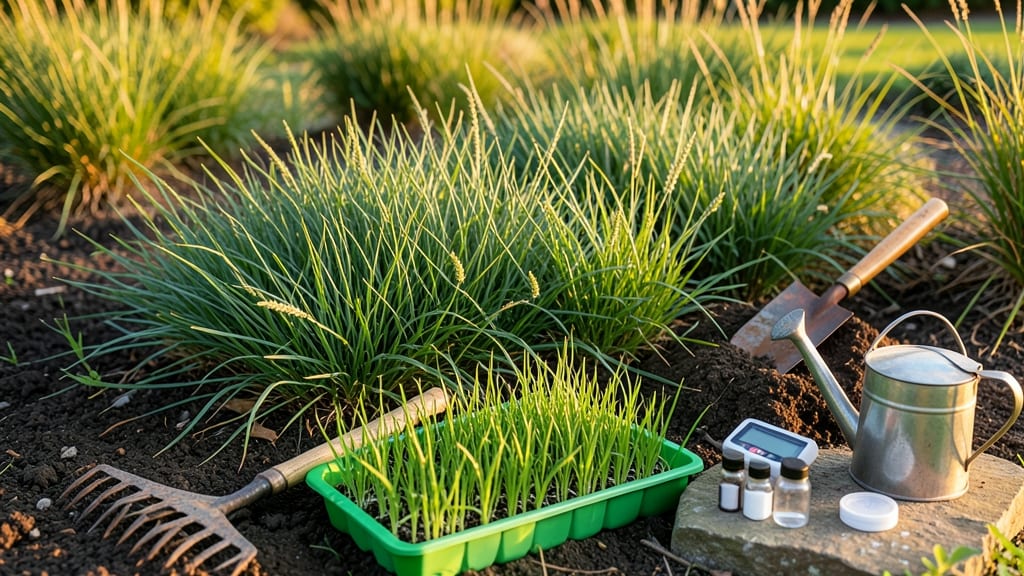
Georgia’s ideal soil temperature range for fast grass germination
Georgia’s climate varies dramatically from the cool mountain regions of North Georgia to the humid coastal plains of Savannah, making soil temperature the most critical factor for successful grass planting.
Unlike northern states, Georgia’s USDA Zones 7b-8b allow for two distinct planting windows—spring and fall—where soil temps hit the perfect 60°F–75°F range for germination.
The key difference? Cool-season grasses (like tall fescue and ryegrass) thrive in spring’s mild temps, while warm-season grasses (such as Bermuda and Zoysia) need summer’s heat. Planting outside these windows risks slow growth, fungal diseases, or even seed failure due to extreme heat or cold.
Here’s the science: Grass seeds need consistent soil temps between 60°F–75°F to sprout within 7–14 days. Below 50°F, germination stalls; above 85°F, seeds dry out before sprouting.
Georgia’s Piedmont region (Atlanta area) typically hits ideal temps in March–April and August–September, while coastal areas like Savannah may extend the window by 2–3 weeks due to warmer microclimates.
🌱
For North Georgia (USDA Zone 7b), aim for late March–early April in spring, as frost dates can linger until mid-March in higher elevations like Blue Ridge. Conversely, South Georgia (Zone 8b) can plant as early as February in coastal areas, where soil warms faster.
Always check a soil thermometer—planting when temps are consistently above 60°F for 5+ days ensures success.
Pro tip: Use a black plastic mulch to warm soil 5–10°F faster in early spring or late fall, extending your planting window by 1–2 weeks. Just remove it once seeds sprout to avoid overheating.
🌡️
If you’re planting in Central Georgia (Atlanta area), monitor temps closely—April can swing from 50°F nights to 80°F days. Wait until morning soil temps hit 65°F+ for 3 consecutive days before seeding.
For warm-season grasses, hold off until August when soil temps stabilize above 70°F to prevent seed washout from late-summer rains.
💧
One common mistake? Planting cool-season grass in summer or warm-season grass in winter. The former will brown out from heat stress, while the latter won’t germinate until temps rise. Always match your grass type to Georgia’s two distinct growing seasons: spring for cool-season and fall for warm-season.
Georgia’s ideal soil temperature range for fast grass germination
Georgia’s soil temperature is the single most critical factor for grass seed germination—too hot or cold, and your seed money goes to waste. The ideal window is 60°F–75°F, where seeds sprout in 7–14 days instead of weeks.
This range aligns with Georgia’s USDA zones 7b–8b, but timing varies by region due to microclimates.
Cool-season grasses like tall fescue and ryegrass thrive when soil temps drop below 80°F, while warm-season types such as Bermuda and Zoysia need 75°F+ to germinate. Planting outside these ranges stresses seedlings, inviting fungal diseases and weed competition.
🌱 Georgia Grass Germination Guide
| Grass Type | Best Soil Temp (°F) | Germination Time | Georgia Planting Window |
|---|---|---|---|
| Cool-Season (Tall Fescue, Ryegrass) | 60–75°F | 7–14 days | Early Spring (March–April) or Early Fall (Aug–Sept) |
| Warm-Season (Bermuda, Zoysia, Centipede) | 75–85°F | 10–21 days | Late Spring (May) or Early Summer (June) |
In North Georgia (e.g., Atlanta), soil warms slowly—wait until April 15 for cool-season grasses. South Georgia (e.g., Savannah) can plant 2–3 weeks earlier due to milder winters.
Use a soil thermometer ($10 at garden centers) to verify temps before planting—this avoids the heartbreak of slow or failed germination.
Pro tip: Early morning is the best time to check soil temps—afternoon sun can inflate readings by 10°F+. Aim for 60°F+ for 5+ days before planting cool-season grass, or 75°F+ for warm-season types.
Humidity in Georgia also plays a role—high moisture speeds germination but risks seed rot if soil stays soggy.
If you’re in Zone 7b (e.g., Dahlonega), push planting to late April to dodge late frosts. For Zone 8b (e.g., Valdosta), March 1 is your cutoff for cool-season grass.
Always test soil pH (6.0–7.0 ideal) and amend with compost—Georgia’s clay-heavy soils need this prep for optimal root growth.
Remember: Warm-season grasses go dormant in winter, while cool-season types brown under summer heat. Planting at the right time ensures your lawn stays green year-round, not just in its preferred season.
Start with the soil temp guide above, then adjust for your specific county using the USDA Plant Hardiness Map.