
Plants
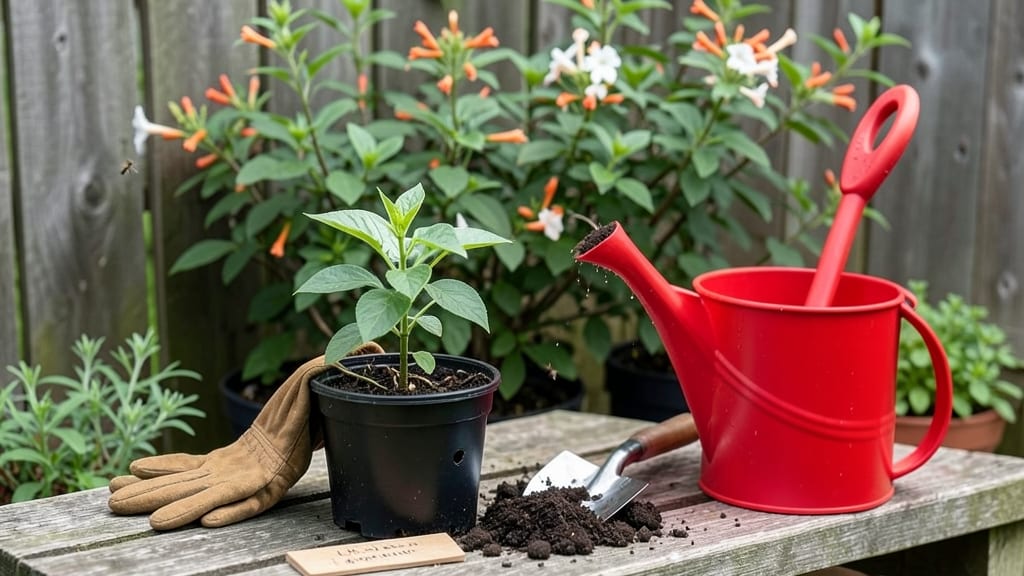
Timing your honeysuckle planting in Texas can mean the difference between a thriving vine and a struggling one that never quite takes off.
Whether you're growing fragrant 🌸 honeysuckle for its sweet blooms or as a natural privacy screen, getting the months right is everything—especially when Texas heat and frost can both play spoiler.
If you plant too early in spring, those tender young roots might not survive a late frost. Too late, and your honeysuckle could struggle to establish before summer's brutal heat sets in.
The best window for planting in Texas zones 8a-10b is actually twofold: late winter to early spring (February-March) or fall (September-October), when temperatures are mild and moisture is more reliable.
But here's what most gardeners miss: not all honeysuckle varieties thrive on the same schedule. Trumpet honeysuckle, for example, needs that early spring start, while Japanese honeysuckle can handle fall planting with ease.
I'll break down the exact months that work best for your specific zone—and how to prep your Texas soil so your new plants take root like a pro.
Ready to plant with confidence? Let's dive into the game-changer timing tips that will have your honeysuckle growing strong in no time, no matter where you are in the Lone Star State.
Best planting months for honeysuckle in Texas by hardiness Zone
Texas spans USDA Zones 7-10, and your honeysuckle timing depends heavily on where you live. In North Texas (Zone 8a), last frosts linger until mid-February, while South Texas (Zone 10a) rarely sees frost at all.
This means your optimal planting window shifts dramatically—spring planting in the Panhandle vs. fall planting in the Rio Grande Valley.
For spring planting, aim for late February to early March in most of Texas. This gives roots 6-8 weeks of warm soil before summer’s heat peaks.
In Zone 10, you can plant as late as April without frost risk, but soil temps must stay above 60°F for root growth.
Fall planting offers better success in Texas because cooler temps reduce stress. September to early October is ideal—planting 4-6 weeks before first frost (which hits December in North Texas and November in South Texas) lets roots establish before winter dormancy.
Here’s how Texas’s hardiness zones break down for honeysuckle planting:
| Zone | Spring Planting Window | Fall Planting Window | Soil Temp Threshold | Key Consideration |
|---|---|---|---|---|
| 8a (North Texas) | Late Feb - Early Mar | Sep 15 - Oct 15 | 60°F+ | Frost risk until mid-Feb |
| 8b (Central Texas) | Early Mar - Mid-Apr | Sep 1 - Oct 30 | 65°F+ | Variable frost dates |
| 9a (East/Central TX) | Mar - Apr | Sep 1 - Nov 1 | 70°F+ | Humidity increases fungal risk |
| 10a (South Texas) | Apr - May | Sep - Oct | 75°F+ | No frost; heat stress risk |
In Zone 8a, I’ve seen Japanese honeysuckle thrive when planted in early October—roots had 6 weeks to establish before winter chill set in. Meanwhile, Trumpet honeysuckle (native to Texas) handles spring planting in March better due to its drought tolerance.
For container planting, extend your window by 2-4 weeks. Pots warm up faster in spring and cool down quicker in fall, so you can plant earlier in spring (as soon as soil reaches 55°F) or later in fall (until November in North Texas).
Just ensure containers have drainage holes to prevent root rot.
Pro tip: Use a soil thermometer to verify temps—honeysuckle roots stall below 55°F. In Zone 10, I’ve planted in May with success, but I watered deeply every 3 days to offset the heat. Avoid summer planting in most of Texas; the 100°F+ soil can shock roots.
If you miss the ideal window, don’t panic. Bare-root honeysuckle can handle transplanting in late fall (November in North Texas), though growth will slow until spring. Just mulch heavily (3-4 inches) to insulate roots.
For fastest establishment, pair planting with mycorrhizal fungi—these beneficial microbes boost root growth in Texas’s clay-heavy soils. Sprinkle the powder on roots before backfilling, and water deeply to activate them.
Best planting months for honeysuckle in Texas by hardiness Zone
Texas spans USDA Zones 7-10, meaning honeysuckle planting windows vary dramatically from the Panhandle to South Texas. In Zone 7a (North Texas), frost can linger until mid-March, while Zone 10a (Rio Grande Valley) rarely sees frost at all.
The key is planting when soil temps hit 60°F+—this ensures roots establish before summer’s intense heat. For most Texans, that means late February to early April or September to October.
Fall planting is often ideal because cooler temps reduce stress on young roots. In Zone 8-9, aim for September-October to avoid summer’s brutal heat. For Zone 10, you can even plant in November—just ensure consistent moisture.
Pro tip: Use a soil thermometer to confirm temps are 60°F+ before planting.
| Zone | Best Planting Window | Soil Temp Threshold | Key Consideration |
|---|---|---|---|
| 7a-7b (North Texas) | Late March–April or Sept–Oct | 60°F+ | Avoid spring frost risk |
| 8a-8b (Central Texas) | Feb–March or Sept–Oct | 60°F+ | Balanced frost-free window |
| 9a-9b (East/South Texas) | Jan–Feb or Sept–Nov | 65°F+ | Longer growing season |
| 10a-10b (South Texas) | Nov–Dec or Feb–March | 70°F+ | Minimal frost risk |
Native Trumpet Honeysuckle (Lonicera sempervirens) thrives in Zones 7-9 and handles Texas heat better than ornamental varieties. If you’re in Zone 10, opt for Japanese Honeysuckle (Lonicera japonica), which tolerates humidity. Always check your specific variety’s hardiness—some hybrids need extra protection from 100°F+ heat waves.
For container planting, extend your window by using black plastic mulch to warm soil faster in spring or shade cloth to protect from summer’s intensity. Containers also let you move plants to morning sun in peak heat. Just ensure pots have drainage holes—honeysuckle roots rot in soggy soil.
Timing isn’t just about months—it’s about moon phases too! Plant during the waxing moon (right after the new moon) to boost root growth. Texas’ September full moon often aligns perfectly with ideal planting windows. Pair this with mycorrhizal fungi at planting to supercharge root development in our heavy clay soils.
Remember: Honeysuckle’s first year is critical. Plants established in fall often bloom earlier the next spring. In Zone 7, I’ve seen vines double in height when planted in October versus April. The secret? Cooler temps mean less water stress and faster root spread.