
Plants
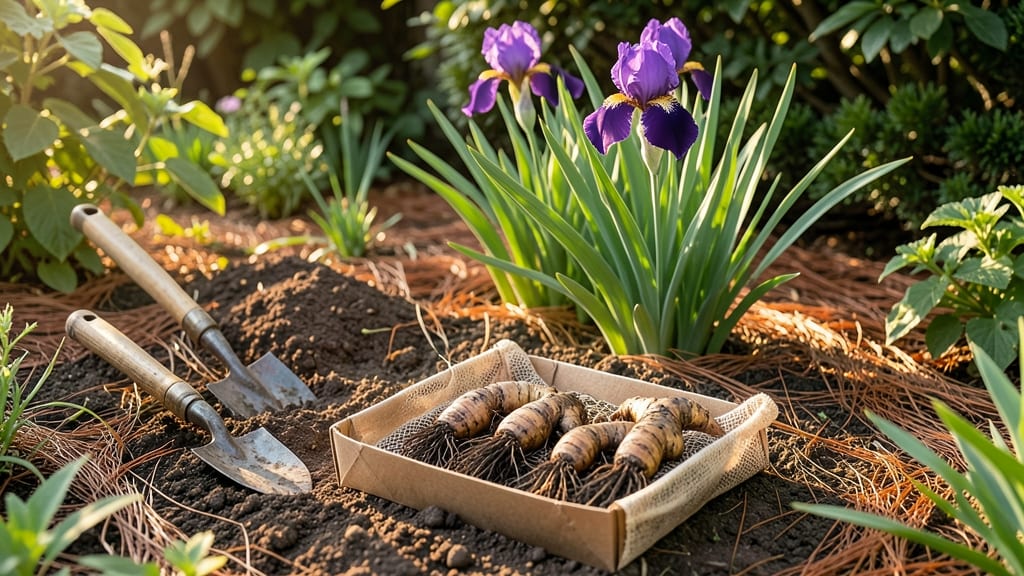
Planting your iris bulbs 🌸 at the wrong time in Tennessee could mean soggy roots or frost-bitten dreams of vibrant blooms. The key to success lies in timing—specifically, late summer to early fall when the soil is warm but the air starts cooling.
Tennessee’s 6a-7b zones create a unique challenge, with mountain regions freezing earlier than the plains. Whether you're in East Tennessee’s cooler highlands or Nashville’s heat pockets, getting the timing right ensures your irises thrive year after year.
I’ll walk you through the exact window for planting—when to dig those rhizomes, how to prep your soil, and why October is your cutoff before winter sets in. Skip the guesswork and let’s get those irises growing strong for next spring’s showstopping blooms.
From soil temperature checks to frost dates by county, this guide gives you the confidence to plant like a pro—no matter where in Tennessee you call home.
Best planting months for iris bulbs in Tennessee by climate Zone
Tennessee’s three distinct USDA zones (6a-7b) create unique challenges for iris planting. In East Tennessee’s mountains, like Sevier County, cooler temps allow earlier planting, while West Tennessee’s plains, such as Shelby County, demand later starts to avoid summer heat stress.
The key? Plant when soil temps drop below 75°F (24°C)—this triggers root growth before winter dormancy.
For optimal root establishment, aim for 6-8 weeks before first frost. In Nashville (Zone 7a), this means late August to early September. Meanwhile, Chattanooga’s higher elevation (Zone 6b) can handle mid-September plantings safely.
Always check your local frost date averages—Tennessee’s range from mid-October in the mountains to early November in Memphis.
Here’s how Tennessee’s regions break down for iris planting:
| Region | USDA Zone | Ideal Planting Window | Soil Temp Trigger | First Frost Date |
|---|---|---|---|---|
| East Tennessee (e.g., Sevier, Cocke) | 6a-6b | Late August - Mid-September | Below 70°F (21°C) | Mid-October |
| Middle Tennessee (e.g., Nashville, Davidson) | 7a | Late August - Early September | Below 75°F (24°C) | Early November |
| West Tennessee (e.g., Shelby, Fayette) | 7b | Early September - Mid-October | Below 80°F (27°C) | Early November |
| High Elevations (e.g., Great Smoky Mtns) | 6a | Mid-September - Early October | Below 65°F (18°C) | Late October |
Why does soil temperature matter so much? Iris rhizomes (not true bulbs) need 6-8 weeks of warm-ish soil to establish roots before winter. Planting too early in East Tennessee’s wet springs risks rot, while planting too late in West Tennessee’s heat stresses young plants.
Aim for 60-70°F (15-21°C) soil—this golden window ensures roots grow but tops stay dormant until spring.
For county-specific adjustments, check your local Cooperative Extension Service (e.g., UT Extension for East TN, UTIA for Middle TN). They track microclimates like urban Nashville’s heat islands, which can delay frost by 1-2 weeks compared to rural areas. Always plant 2-3 weeks before your area’s average first frost date.
One common mistake? Assuming all of Tennessee has the same frost date. While Memphis (Zone 7b) might see frost by November 15, Bristol’s higher elevation (Zone 6b) could freeze by October 20.
Use the National Weather Service’s climate normals for your exact location to avoid overestimating your planting window.
If you’re in Zone 7a (Nashville, Knoxville), prioritize late August planting—this gives rhizomes time to root before September heat waves. For Zone 6a (Johnson City, Kingsport), wait until mid-September to dodge early frosts.
Always plant after your local tomato harvest (a classic Tennessee marker)—when tomatoes are done, it’s safe for irises!
For container-grown irises, adjust timing by 2-3 weeks earlier—pots warm up faster and dry out quicker. If you’re in West Tennessee’s clay soils, amend with sand or compost to improve drainage, which is critical for rhizomes. Poor drainage = rot before roots even form.
Remember: Iris rhizomes are not bulbs—they need partial exposure (top 1/3 above soil) to prevent rotting. Planting depth matters just as much as timing! Pair your optimal planting window with proper soil prep for bold blooms next spring.
How to choose planting dates based on iris variety and bloom goals
Planting iris bulbs at the right time depends on whether you want spring or fall blooms, as well as the variety you’re growing. Tennessee’s USDA zones 6a-7b mean timing adjustments are key—especially for bearded irises (classic garden favorites) versus Siberian irises (hardier, later bloomers).
For spring blooms, plant rhizomes in late summer (August) so roots establish before winter.
This gives them a head start for April-May flowering. Siberian irises, however, often bloom 1-2 weeks later than bearded types, so aim for early September planting in cooler East TN regions to avoid heat stress.
Bulb size also matters: Larger rhizomes (3+ inches) can handle late August planting, while smaller ones need 6-8 weeks to root before frost. In Nashville’s heat zone, plant early August to avoid 90°F+ soil, which stunts root growth. Chattanooga’s higher elevation allows September planting without risk.
Fall blooms? Rare for irises, but some varieties like Japanese irises may produce late-summer flowers if planted in early spring (March). This is riskier in Tennessee’s unpredictable springs, so focus on spring blooms for reliability.
- 1. Bearded Irises (Spring Blooms): Plant August 1-15 for April-May flowers. Larger rhizomes can go until September 1 in East TN.
- 2. Siberian Irises (Late Spring): Plant September 1-15 in cooler zones (e.g., Johnson City) to avoid heat stress.
- 3. Japanese Irises (Rare Fall Blooms): Plant March 15-April 1 for late August flowers (high risk in TN).
- 4. Bulb Size Matters: Small rhizomes (<2") need 6+ weeks to root; plant by August 15.
- 5. Heat Zones Adjust Timing: Nashville = early August; Chattanooga = late August.
Pro tip: Use a soil thermometer—irises thrive when soil temps are 60-70°F. In West TN’s humid plains, plant earlier (July 15) to avoid fungal rot from heavy rains. For container growing, adjust dates 2 weeks earlier since pots heat up faster.
Finally, note that division timing (every 3-4 years) also affects planting dates. Divide clumps in late summer (August) to replant immediately—this resets their growth cycle for next year’s blooms.