
Plants
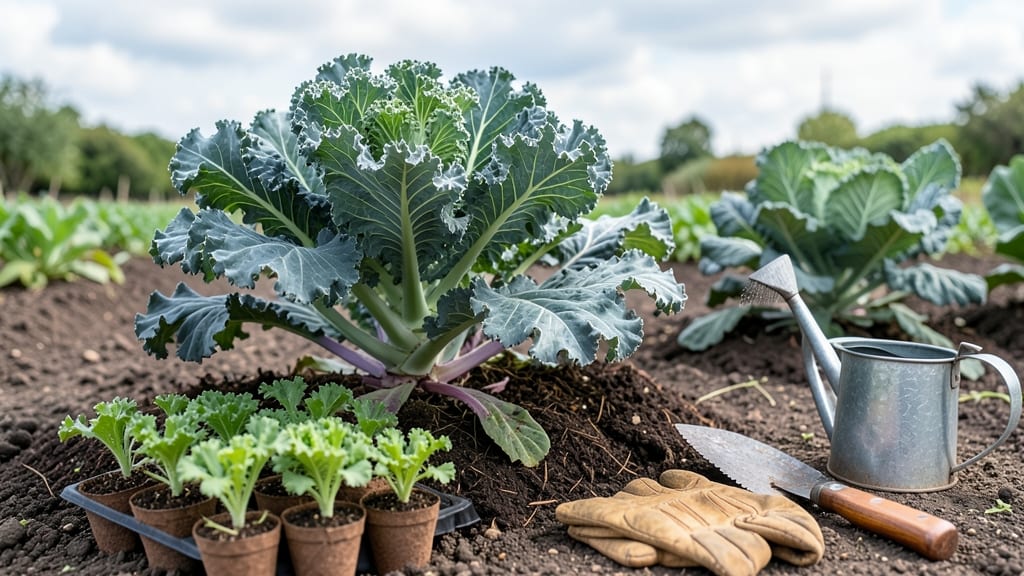
Timing your kale planting in Seattle isn't just about the calendar—it's about outsmarting the Pacific Northwest's infamous frosts and rainy spells. Plant too early, and you risk losing your crop to a late freeze; too late, and you might miss the sweet spot for a fall harvest.
But with the right schedule, you can enjoy crisp, homegrown 🥬 from May through October, even in Seattle's USDA Zone 8a.
Here's the secret: kale thrives in cooler weather, making spring and fall your best bets. Start seeds indoors in early March for a late spring transplant, or sow directly in the garden by mid-April after the last frost date.
For a fall harvest, plant again in late July to early August—just give your plants enough time to mature before the first frost hits around mid-October.
Seattle's microclimates add another layer to the equation. Urban areas might stay slightly warmer than rural spots, so adjust your planting window accordingly. And don't forget—kale is hardy enough to handle some cold, but a heavy frost will still turn those tender leaves to mush.
With these tips, you'll avoid common mistakes and enjoy a steady supply of nutrient-packed greens all season long.
Ready to get started? I'll walk you through the exact planting schedule, frost-proofing strategies, and even how to extend your harvest into winter. Let's make sure your kale grows strong, no matter what Seattle throws your way.
Seattle’s ideal kale planting windows: month-by-month frost-free guide
Seattle’s USDA Zone 8a climate offers a longer growing season than many gardeners realize, but late frosts and cool summers demand precision when planting kale. Unlike heat-loving crops, kale thrives in cool weather, making spring and fall your best bets for success.
The key is planting 4-6 weeks before the first frost (typically mid-October) or as early as March when soil temperatures rise above 40°F.
Seattle’s microclimates—from urban heat islands to coastal breezes—can shift frost dates by 2-3 weeks, so always check your local frost-free zone. For example, Ballard may frost earlier than Kent, while South Seattle stays warmer longer.
Start by selecting cold-hardy varieties like Winterbor or Lacinato (Dinosaur Kale) for fall, or heat-tolerant types like Red Russian for summer.
Here’s your month-by-month planting timeline for Seattle, tailored to avoid frost damage and maximize harvests:
| Season | Planting Window | Ideal Varieties | Harvest Time | Notes |
|---|---|---|---|---|
| Early Spring | Mid-March to early April | Red Russian, Winterbor | May–June | Start seeds indoors; transplant after last frost (~April 15). |
| Late Spring | Mid-April to May | Lacinato, Dwarf Blue Curled | June–July | Direct sow after soil warms to 40°F; mulch to retain moisture. |
| Summer | June–July | Red Russian, Scarlet | August–September | Provide afternoon shade; water deeply to prevent bolting. |
| Early Fall | Mid-August to September | Winterbor, Vates | October–November | Plant 6 weeks before first frost; use row covers for late harvests. |
| Late Fall | October (hardy varieties only) | Winterbor, Lacinato | Winter (cover with mulch) | Only for cold-hardy types; protect with frost blankets. |
Spring planting in March–April gives you summer harvests, while fall plantings in August–September ensure winter-ready kale. For urban gardeners, containers work well—just ensure pots have drainage holes and use lightweight potting mix. If you’re in a cooler microclimate (like the San Juan Islands), stick to fall plantings and extend the season with cold frames or low tunnels.
Avoid planting in July–August unless you’re growing heat-tolerant varieties, as Seattle’s summer heat can cause kale to bolt prematurely. Instead, focus on succession plantings every 2–3 weeks from March to September to keep a steady supply. For container growers, stagger plantings every 10–14 days to ensure continuous harvests.
Pro tip: Use seed starting trays indoors in February for early spring transplants. Harden off seedlings for 7–10 days before setting them out after the last frost date. If you’re unsure about your frost date, err on the side of planting later—kale is more forgiving of cold than heat.
Seattle’s Pacific Northwest climate also means consistent rainfall, so amend your soil with compost to improve drainage and prevent root rot. Aim for a slightly acidic to neutral pH (6.0–7.0)—kale thrives in well-draining, nutrient-rich soil.
If your garden soil is clay-heavy, consider raised beds or mixed soil to give roots room to breathe.
For urban gardeners with limited space, dwarf varieties like Dwarf Blue Curled or Redbor are perfect—they reach 12–18 inches tall and grow well in 5-gallon containers.
Place them near a south-facing window or under grow lights if balcony gardening. Vertical gardening with trellises also works for loose-leaf types like Red Russian, saving space while maximizing yield.
Finally, monitor your plants for cabbage moths—a common Seattle pest. Use row covers or companion plants like nasturtiums to deter them. With the right planting schedule and climate adjustments, you’ll enjoy homegrown kale from late spring to winter, even in Seattle’s unpredictable weather! 🥬
How to extend your kale harvest in Seattle: succession planting and seasonal hacks
Seattle’s cool, wet climate means kale thrives here—but only if you plan strategically. The key to year-round harvests lies in succession planting and protecting your plants from late frosts and pests.
By staggering plantings and using simple tools like row covers, you can enjoy fresh kale from spring through winter.
Start with early spring plantings in March or April, when soil temperatures reach 40°F. This gives you a head start before summer heat arrives. Then, sow successive batches every 2-3 weeks until mid-July to ensure a continuous supply.
For fall harvests, begin planting in early August to mature before the first frost.
🌱 Pro Tip: Use cold frames or row covers to extend harvests into winter. These simple tools can add 10-14°F of protection, letting you harvest well past the official frost date. Even a lightweight frost blanket can save your plants during unexpected cold snaps.
- 📅 Succession Plant: Sow seeds every 2-3 weeks from March to July for continuous harvests.
- 🛡️ Protect from Pests: Use floating row covers to block cabbage moths and aphids.
- 🌡️ Extend with Cold Frames: Add 10-14°F of warmth to harvest through December.
- 🌱 Choose Hardy Varieties: Lacinato (Dinosaur Kale) and Winterbor tolerate 20°F without cover.
- 💧 Water Wisely: Morning watering prevents fungal diseases in Seattle’s humid climate.
Don’t overlook companion planting to deter pests. Pair your kale with garlic, onions, or herbs like dill, which naturally repel cabbage worms and slugs. In urban gardens, container growing works well—just ensure pots are at least 12 inches deep and use well-draining soil to prevent root rot.
For urban gardeners, microclimates matter. South-facing walls or rooftop gardens can stay 5-10°F warmer than the rest of the city, allowing you to plant 2-4 weeks earlier in spring or harvest later in fall.
Monitor your local frost dates—Seattle’s USDA Zone 8a averages October 15 for first frost, but urban areas can vary.
With these strategies, you’ll turn Seattle’s challenging climate into an advantage. Harvest young leaves for baby kale or let plants mature for full-size harvests, and enjoy fresh greens straight from your garden—no matter the season! 🥬