
Plants
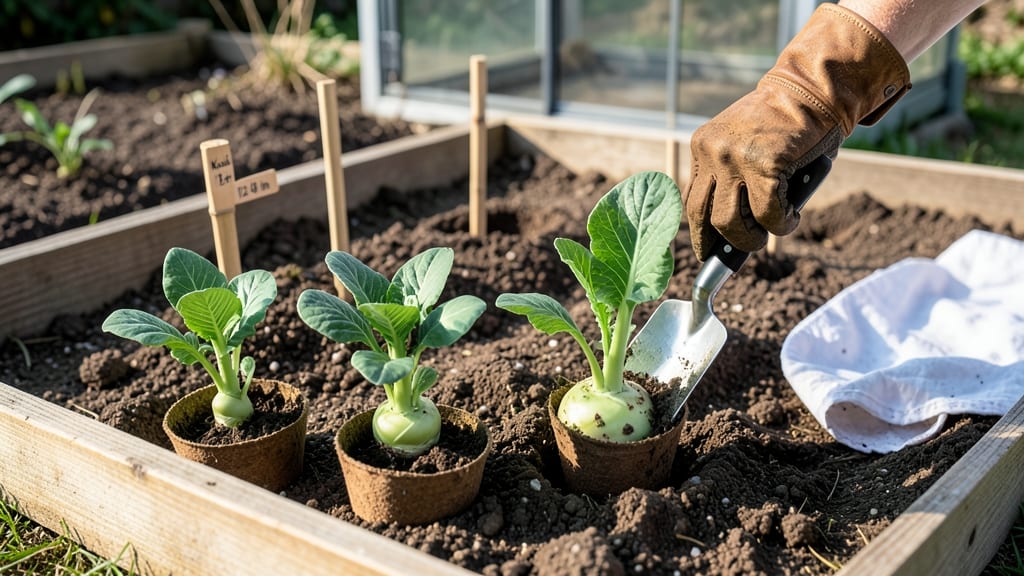
Zone 5 kohlrabi planting timeline: exact dates for spring and fall success
In Zone 5, timing is everything when planting kohlrabi. This cool-season crop thrives when soil temperatures hover between 45°F and 75°F, making early spring and late summer the ideal windows.
Planting too early risks frost damage, while waiting too late can trigger bolting—when the plant prematurely flowers and produces bitter bulbs.
For most of Zone 5, the last average frost date falls around mid-May, while the first fall frost typically arrives by mid-September. These dates create a 150-day frost-free window, perfect for kohlrabi's 40-70 day harvest window.
Understanding these dates helps you align planting with your local climate for maximum success.
Here’s your Zone 5 kohlrabi planting timeline, broken down by season and adjusted for microclimates like urban heat islands or sheltered garden spots:
| Season | Planting Window | Key Conditions | Harvest Window |
|---|---|---|---|
| Spring | Early April to mid-May | Soil temp 50°F+, 4-6 weeks before last frost | June to early July |
| Fall | Late August to early September | 8-10 weeks before first frost, soil temp 65°F-75°F | September to October |
| Microclimate Adjustments | Urban areas: 1-2 weeks later | Sheltered spots: 1-2 weeks earlier | Extend season with row covers (+2-3 weeks) |
If you’re planting in early April, opt for fast-maturing varieties like 'Purple Vienna' (45 days) to avoid bolting. For late May plantings, choose heat-tolerant types such as 'White Vienna' (60 days) and use shade cloth during peak summer heat to prevent stress.
Fall plantings in late August should focus on cool-resistant varieties like 'Blue Vienna' (50 days). These bulbs develop best when nights grow cooler, typically after Labor Day. Avoid planting after mid-September, as bulbs won’t mature before frost.
For gardeners in northern Zone 5 (e.g., Minnesota, Wisconsin), push spring plantings to late April and fall plantings to early August to account for shorter growing seasons. In southern Zone 5 (e.g., Pennsylvania, Virginia), you can stretch spring plantings to early May and fall plantings to mid-September.
Pro tip: Use a soil thermometer to confirm soil temps are 50°F+ before planting. Cold soil slows germination and can lead to damping off, a fungal disease that kills seedlings. Aim for 60°F+ for optimal growth rates.
Succession planting every 2-3 weeks in spring and 3-4 weeks in fall ensures a steady harvest. For example, plant a batch in early April, another in mid-April, and a final batch in early May to stagger maturity and avoid glutting your kitchen.
Remember, kohlrabi bulbs should be harvested before they exceed 2-3 inches in diameter. Larger bulbs become woody and tough. Use a sharp knife to cut stems at the base, leaving the leaves to feed future harvests if the plant is still productive.
By following this timeline, you’ll enjoy sweet, tender kohlrabi bulbs from June through October, with minimal risk of bolting or frost damage. Happy planting!
Zone 5 kohlrabi planting timeline: exact dates for spring and fall success
Kohlrabi in Zone 5 thrives when planted 4-6 weeks before your last spring frost or 8-10 weeks before the first fall frost. For most Zone 5 regions, this translates to mid-April to early May for spring and late August to early September for fall. Timing is critical—plant too early, and you risk bolting (premature flowering); too late, and frost stunts growth. My garden’s last frost date is typically mid-May, so I aim to sow seeds by April 15th for a June harvest.
Zone 5’s 150 frost-free days create a narrow window for success. Spring plantings give you a June-July harvest, while fall plantings yield September-October bulbs. The key is aligning your planting with soil temperatures (ideal: 50-65°F) and day length—kohlrabi bolts faster in long summer days.
I’ve found that shade cloth helps delay bolting in hot summers.
📅 Exact Planting Dates for Zone 5:
- Spring: April 15–May 1 (adjust 1-2 weeks based on microclimate)
- Fall: August 15–September 1 (prioritize faster-maturing varieties like 'Purple Vienna')
- Succession Planting: Sow every 2 weeks in spring for staggered harvests
Microclimates matter! Gardens near lakes or urban areas may experience later frosts. Check your local USDA Plant Hardiness Zone Map and use a frost calendar (like Old Farmer’s Almanac) for precision.
I once planted too early in a cold pocket of my yard, and my kohlrabi took 30 days longer to mature—lessons learned!
For succession planting, I stagger sowings every 10–14 days in spring to ensure a continuous harvest. In fall, prioritize fast-maturing varieties (like 'Early White Vienna') to beat frost. My 2023 experiment with a September 1 planting yielded bulbs until October 5th—a full 3 weeks of harvests!
Just beware: kohlrabi planted after September 10th in Zone 5 rarely matures before frost.
If you’re new to kohlrabi, start with spring plantings—they’re more forgiving. Fall crops require precise timing, but the sweet, tender bulbs are worth the effort. I’ve even grown kohlrabi under cold frames in early spring for an April harvest, though it’s advanced for most gardeners.
For most of us, sticking to the April–May and August–September windows ensures success.
Remember: bolting (flowering) turns bulbs woody and bitter. To prevent this, harvest when stems reach 2–3 inches in diameter and before leaves yellow. My 2022 lesson: ignoring bolting signs led to a 50% bitter-bulb yield—not ideal!
With the right timing, you’ll enjoy crisp, sweet kohlrabi all season long. 🥬