
Plants
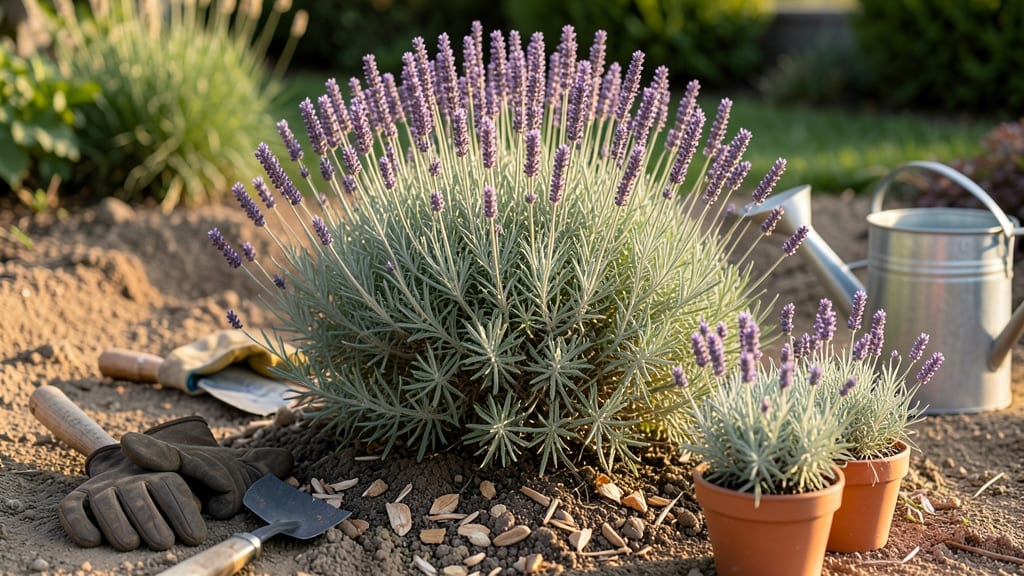
Timing your lavender planting in Southern California isn’t just about picking a season—it’s about outsmarting the region’s tricky microclimates. Coastal areas like San Diego stay mild year-round, while inland spots near Riverside can hit 100°F summers, making the difference between thriving 🌿 lavender and struggling plants.
Most gardeners swear by fall planting—September through November—but early spring (February to March) works too, especially if you’re in Zone 9b-11. The key? Avoiding summer’s brutal heat, which can stress young roots before they even take hold. Even drought-loving lavender needs a fighting chance.
In this guide, I’ll break down the best months for your specific location, whether you’re near the coast or inland. You’ll learn how to prep soil, space plants for airflow, and even stretch your growing season with simple tricks. No more guessing—just fragrant, blooming lavender all year.
Ready to turn your garden into a purple paradise? Let’s get started with the perfect planting schedule for your Southern California climate.
Best planting months for lavender in Southern California zones
Southern California’s USDA zones 9b-11 create a unique challenge for lavender lovers. Unlike northern climates, we don’t have to worry about frost damage, but summer heat can be just as deadly.
The key is planting when temperatures are mild—either in early fall or late winter—to give your lavender time to establish roots before the heat ramps up.
Most gardeners in SoCal focus on September through November for fall planting. This window gives lavender plants 3-4 months of cooler weather to settle in before summer’s intensity.
The alternative is February to March, which works well for both container and in-ground plantings, especially in cooler inland valleys like Riverside or Temecula.
Why these months? Lavender thrives when daytime highs stay below 85°F (29°C). Planting in summer means battling heat stress, which can scorch new roots before they’ve had a chance to establish.
Even coastal areas like San Diego or Santa Barbara see occasional heatwaves that can push temperatures into dangerous ranges for young plants.
Here’s the golden rule: Never plant lavender in June, July, or August unless you’re in a high-elevation microclimate (like parts of the Santa Monica Mountains). Even then, you’ll need to provide extra shade and consistent moisture during the critical first 60 days.
If you’re planting in coastal areas, pay attention to the June Gloom phenomenon. While the cool, foggy conditions might seem ideal, they can actually delay root establishment if the soil stays too damp.
Amend your soil with sand or gravel to improve drainage, and consider planting 1-2 weeks earlier than inland schedules.
For inland gardeners in areas like Palm Springs or Riverside, the late winter window (February-March) is your best bet. These regions experience hotter daytime temps even in winter, but nights stay cool enough for lavender to thrive.
Pro tip: Mulch heavily with gravel or decomposed granite to reflect heat away from the roots.
One common mistake I see is planting lavender in December. While it’s not technically "wrong," the holiday water restrictions and cooler temps can slow growth. If you must plant then, use drip irrigation and protect from Santa Ana winds, which can dry out young plants quickly.
Remember, lavender’s root system is shallow but spreads wide. Give each plant 3-4 feet of space to prevent competition, especially in well-draining soil. If you’re planting in containers, use pots with drainage holes and a minimum 12-inch depth to accommodate those roots.
Your lavender’s first 60 days are critical. During this time, focus on watering deeply but infrequently—aim for 1 inch of water per week—and avoid fertilizing. The goal is to encourage root growth, not leafy top growth, which can stress the plant in our hot summers.
Microclimate-specific lavender planting calendar: coastal vs. inland
Southern California’s coastal and inland regions create distinct planting windows for lavender. Coastal areas like San Diego and Santa Barbara enjoy milder winters, while inland zones (e.g., Los Angeles valleys) face hotter summers and occasional frost.
Let’s break down the best months for each microclimate to avoid stress and maximize blooms.
In coastal Southern California, the ideal planting window stretches from September through November and February through March. These months offer cool temperatures and moderate humidity, giving young lavender roots time to establish before summer’s heat arrives. Coastal areas rarely experience frost, so early spring planting is low-risk.
For inland regions, focus on September to November and January to February. Inland zones can see warmer winters and hotter summers, so planting in late fall or early spring helps lavender avoid summer drought stress. Avoid planting in June or July—intense heat can shock young plants.
| Microclimate | Best Planting Months | Key Considerations |
|---|---|---|
| Coastal (San Diego, Santa Barbara) | September–November, February–March | Mild winters, low frost risk; avoid summer heat stress |
| Inland (Los Angeles, Riverside) | September–November, January–February | Hotter summers; plant early to establish roots before drought |
| Both Regions | Avoid June–August | Extreme heat can cause transplant shock or root burn |
If you’re in a transition zone (e.g., Orange County or Ventura), blend these strategies. Plant in late fall for coastal benefits and early spring to escape summer heat. Always choose dwarf varieties like Provence or Spanish lavender—they handle heat better than taller types.
Pro tip: Test soil drainage before planting. Lavender hates soggy roots, so amend heavy soil with gravel or sand if needed. Mulch with pebbles (not organic mulch) to retain moisture without suffocating roots.
Timing your lavender planting around these microclimate cues ensures healthier growth, better fragrance, and longer blooms—even in Southern California’s challenging climate. 🌿