
Plants
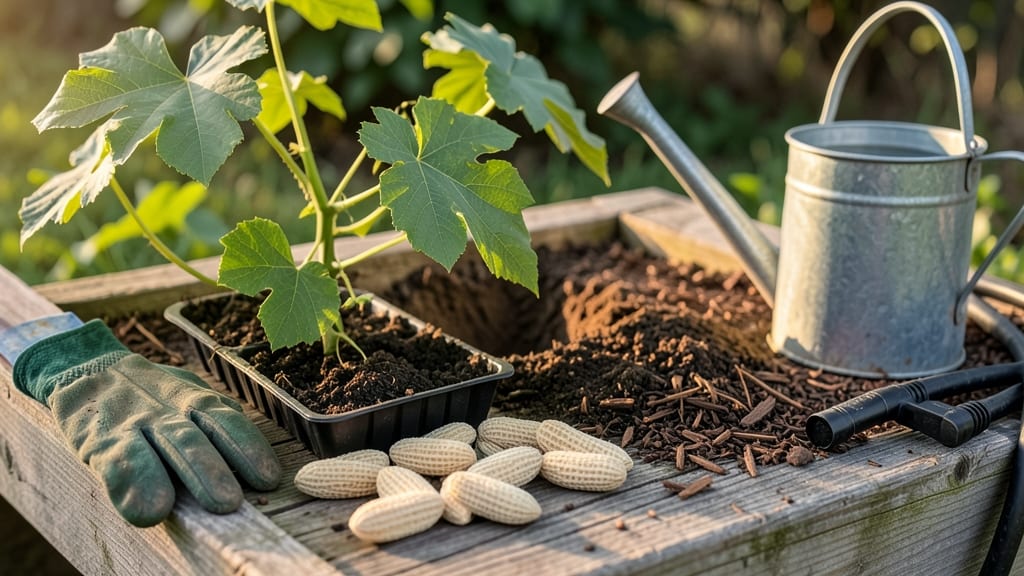
Planting loofah seeds in Texas isn’t just about timing—it’s about beating the heat before it beats your plants. With 90°F+ summers and unpredictable spring rains, getting those seeds in the ground too early means wilting vines, while waiting too long cuts your harvest short.
The sweet spot? A 6-8 week window before summer’s peak, when soil temps hit 70°F and frost risk fades completely.
Here’s the game-changer: North Texas gardeners should aim for March-May, while Central and South Texas can start as early as February. That 🍈-sized seed might look fragile, but it’s built for Texas’ brutal sun—once established, it’ll climb 15-20 feet in record time.
The key? Prepping your soil with drainage and mulch to lock in moisture, because once those vines take off, they’ll drink up every drop.
I’ve seen firsthand how a 2-week delay can mean the difference between a bountiful harvest and scraps. Whether you’re in Zone 8a or 11, we’ll break down exactly when to plant, how to shield young seedlings from heat stress, and which companion plants keep pests at bay.
Ready to grow loofahs that thrive—not just survive?
Let’s dive into the fastest, most reliable methods for Texas gardeners to turn those seeds into 120-day harvests—no guesswork, just results. Your loofah patch starts here.
Optimal planting windows for loofah seeds in Texas: heat zones explained
Texas’ extreme heat and variable frost dates make timing critical for loofah seeds. Plant too early, and seedlings will wilt in 100°F+ soil; too late, and you’ll miss the 120-150 day growth window. The key is aligning your planting with your USDA zone and last frost date.
Loofah thrives in USDA zones 8a-11, covering nearly all of Texas. North Texas gardeners (zones 8a-8b) should wait until mid-March to early April, while Central (8b-9a) and South Texas (9b-11) can start as early as late February.
The goal? Plant 6-8 weeks before summer’s peak heat (typically by May 1).
Here’s the breakdown by region, including soil temperature thresholds and frost-free dates to guide your schedule:
For North Texas, aim to plant by April 15 to ensure vines mature before first frost (Nov-Dec). In Central Texas, extend your window to mid-April, while South Texas gardeners can push it to early May—just be prepared for intense summer sun.
Pro tip: Use a soil thermometer to confirm 70°F+ soil before planting. Loofah seeds germinate best in warm soil, and cold soil can delay sprouting by 2+ weeks. If your soil is still cool, opt for container growing near a sunny wall to control heat exposure.
Remember, loofah vines grow 6-10 feet in their first year, so choose a trellis or fence within 10 feet of your planting site. In urban areas, consider vertical gardening to maximize space—just ensure the trellis is sturdy enough for 20-foot vines by maturity.
If you’re in Zone 8a (North Texas), consider starting seeds indoors in late February to get a 2-week head start. Use biodegradable pots and transplant outdoors after the last frost.
For Zones 9b-11, direct sowing works well, but shade cloth (30-50%) can protect seedlings from early heat stress.
Loofah’s fast growth (up to 2 feet per week in ideal conditions) means missing your window by even 2 weeks can shorten your harvest. Mark your calendar for your region’s last frost date and count backward 120 days to lock in your planting date.
For example, if your first frost is November 15, plant by July 15 to ensure a full season.
Finally, monitor weather forecasts in April. A late frost can devastate young seedlings, so have row covers or a greenhouse ready. In South Texas, watch for unseasonable cold snaps—even in March!
With the right timing, your loofah vines will thrive in Texas’ heat and reward you with harvests by fall. 🌱
How to maximize loofah growth in Texas heat: pre-planting tips for fast germination
Texas heat can turn loofah seeds into a gamble if you don’t prep them right. The key to fast germination is starting with warm soil (at least 70°Fsoaking seeds overnight in warm water boosts germination rates by 30%—especially critical in Zone 9+ where dry spells strike early.
Before planting, mix compost or aged manure into your soil to improve drainage. Loofah hates soggy roots, so amending heavy clay with sand or perlite prevents rot. For containers, use a well-draining potting mix with coco coir to retain moisture without suffocating roots.
- 1. Soak seeds in warm water for 8-12 hours before planting to speed germination.
- Use black plastic mulch to warm soil 5-10°F faster than bare earth.
- Plant 1 inch deep—deeper = slower sprouts in Texas heat.
- Add mycorrhizal fungi to soil to boost root growth in poor native Texas dirt.
- Water deeply once after planting—don’t drip daily or seeds will rot.
For extra protection, I plant loofah near tall sun-loving companions like corn or sunflowers, which shade young vines from afternoon sun. In urban areas, a trellis against a north-facing wall creates shade while maximizing vertical growth.
Just avoid planting near tomatoes—they compete for nutrients and attract the same pests.
If your soil stays below 70°F past April, use a mini greenhouse or cold frame to create a microclimate. I’ve had loofah seeds sprout in 5 days with this method, even in North Texas’ cooler springs.
The goal? Get those vines 3 feet tall before June’s heat peaks—after that, they’ll handle the Texas sun like pros.
Don’t forget to test your soil pH (ideal range: 6.0-6.8alkaline, which stunts loofah growth. If your test shows 7.0+, amend with sulfur or peat moss before planting. A little prep now means bigger harvests later—and fewer wilting vines in July.
Once your seeds sprout, thin seedlings to 12 inches apart to prevent overcrowding. In South Texas, you can even plant a second crop in late summer for a fall harvest—just use shade cloth if temps hit 100°F+.
With these tricks, your loofah will grow faster and stronger than you’d expect in Texas’ brutal climate.