
Plants
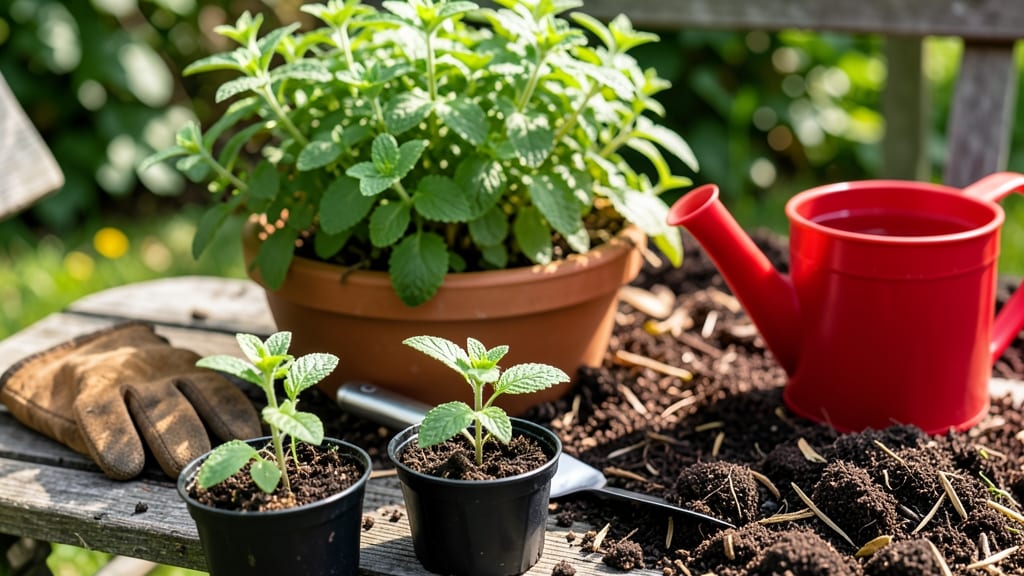
If you're wondering when to plant mint in Texas, you're not alone—many gardeners have struggled with its stubbornness under the state's extreme heat or cold.
The key to thriving mint lies in understanding Texas's unique climate zones and planting at the perfect time—whether it's the mild spring or the cooler fall months.
Texas gardeners know that mint isn't just another herb—it's a hardy, fast-growing plant that can take over your garden if left unchecked. But with the right timing, you can enjoy fresh 🌿 mint year-round, whether you're sipping iced tea or whipping up homemade remedies.
The secret? Planting when the weather works with you, not against you.
In this guide, I'll break down the best months to plant mint in Texas, from the cooler North Texas regions to the balmier South, so you can avoid the pitfalls of summer heat or winter chill.
You'll also discover how to extend your harvests, whether through containers, shade strategies, or smart succession planting—because nobody wants to miss out on that perfect mint flavor.
Ready to grow mint that thrives all season long? Let's dive into the best times to plant and keep your garden lush, no matter what Texas throws your way.
Best months to plant mint in Texas for maximum growth
Texas’s long growing season and diverse climate zones make mint a versatile herb, but timing is critical to avoid heat stress or winter frost damage. Unlike cooler climates, Texas gardeners can plant mint year-round, but spring and fall offer the best conditions for establishment and growth.
Let’s break down the ideal planting windows by Texas region to ensure your mint thrives.
In North Texas (Zones 7b-8a), where last frost dates hover around February 15, mint can be planted as early as January for a head start. However, late winter or early spring (March-April) is ideal to avoid unpredictable cold snaps.
For Central Texas (Zones 8a-9a), mint loves mild winters, so planting in February-March or September-October aligns with soil warming and avoids summer’s brutal heat.
Southern Texas (Zones 9a-10b) enjoys year-round planting, but spring (March-May) and fall (September-November) are peak times. Summer planting is risky due to intense heat, which can cause bolting (premature flowering) or leaf scorch.
Always check your local frost dates—South Texas rarely sees frost, but North Texas can experience light freezes even in December.
Soil temperature is another game-changer. Mint roots thrive in soil temps above 60°F, so wait until mid-spring for North Texas or early spring for Central/South Texas. Use a soil thermometer to confirm—ideal temps are 65-75°F for best germination and growth.
Here’s a quick region-specific guide to planting mint in Texas:
| Region | Best Planting Months | Avoid Planting | Key Tip |
|---|---|---|---|
| North Texas (7b-8a) | March-April, September-October | January-February (risk of frost), June-August (extreme heat) | Use mulch to regulate soil temps. |
| Central Texas (8a-9a) | February-March, September-November | May-July (peak heat), December (light freezes) | Plant near dappled shade to prevent bolting. |
| South Texas (9a-10b) | Year-round (best in spring/fall) | June-August (unless using shade cloth) | Use containers to control spread in heat. |
For perennial mint varieties (like peppermint or spearmint), planting in fall gives roots time to establish before summer’s heat. Annual varieties, such as pineapple mint, can be sown directly in spring for a quicker harvest.
If you’re starting from seeds, sow them ¼ inch deep and keep soil moist until germination (10-14 days).
Texas’s humidity and intense sun can stress mint, so partial shade (especially in summer) is ideal. A spot with 4-6 hours of morning sun and afternoon shade will keep leaves lush and flavorful. If planting in full sun, water deeply 2-3 times per week to prevent wilting.
Pro tip: Container gardening is a lifesaver in Texas. Mint’s aggressive roots can take over gardens, but growing it in 5-gallon pots with drainage holes keeps it manageable.
Plus, you can move containers to shadier spots during peak summer heat. Just ensure pots are at least 12 inches deep to accommodate root growth.
Remember, Texas’s microclimates vary wildly—even within cities. Check your local weather patterns and adjust planting times accordingly. With the right timing, your mint will reward you with fragrant leaves for months, whether you’re brewing tea, making cocktails, or adding fresh flavor to dishes.
Best months to plant mint in Texas for maximum growth
Texas's extreme heat and variable frost dates make timing critical for mint success. Unlike cooler climates, mint here thrives when planted during cooler months—either early spring (March-April) or fall (September-October). These windows ensure your mint establishes roots before summer's 100°F+ temperatures or winter's freezing nights take their toll.
In North Texas (Zones 7b-8a), aim for March 15-April 15 in spring and September 15-October 15 in fall. Central Texas (Zones 8a-8b) can stretch planting to April 1-May 1 in spring and October 1-November 1 in fall. South Texas (Zones 9a-10b) enjoys longer growing seasons—plant February-March or September-October for year-round harvests.
Texas mint varieties like apple mint or peppermint tolerate heat better than spearmint, but all benefit from shade cloth during peak summer (June-August).
Soil temperature matters too—mint roots struggle below 50°F or above 85°F. Test your soil: 60-70°F is ideal for planting. In containers, roots warm faster, so adjust your schedule 1-2 weeks earlier than in-ground plantings. Mulch heavily (2-3 inches) to regulate soil temps and retain moisture.
For perennial mint (returns yearly), fall planting is best—roots establish before winter, and growth explodes in spring. Annual varieties (like chocolate mint) can handle summer planting but require daily shade and extra water. Always harden off container-grown mint for 7-10 days before transplanting to avoid shock.
Watch for heat stress signs: yellowing leaves, wilting by noon, or bolting (premature flowering). These mean it's time to move plants to shade or harvest aggressively to encourage bushier growth. Succession plant every 4-6 weeks in spring/fall to ensure a continuous supply.
Pro tip: Direct-sow seeds (not transplants) for hardier plants—seedlings adapt better to Texas's unpredictable weather shifts. If starting from cuttings, use rooting hormone and keep soil consistently moist for 3-4 weeks until roots form.