
Vegetables
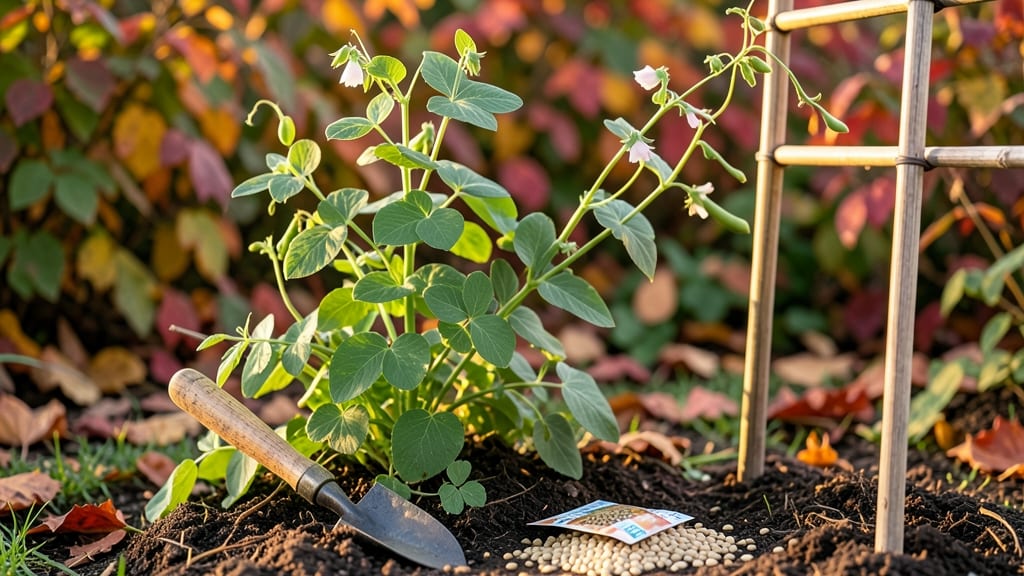
Timing your fall pea planting just right means the difference between a bountiful harvest and a frost-killed crop before you even taste those sweet pods.
The key to success lies in understanding your local frost dates and planting 4-6 weeks before the first expected frost—a window that varies dramatically across USDA zones.
For gardeners in Zone 6a (like our default), that means aiming for late August through early October, when soil temperatures stay cool but not freezing. This strategic timing lets your 🌱 peas mature before winter sets in, giving you an early spring harvest advantage.
But get it wrong, and you'll either have stunted plants or pods ruined by early frost.
What makes fall planting so rewarding? Unlike spring peas, fall-planted varieties often produce sweeter, more tender pods because cooler temperatures slow their growth just enough to concentrate flavor. Plus, you avoid the spring rush of pests and diseases that can plague early-season gardens.
In this guide, I’ll walk you through exactly how to calculate your ideal planting window—whether you’re in a cold northern zone or a milder southern climate—so you can enjoy fresh peas straight from your garden before spring even arrives.
Fall pea planting timeline by USDA hardiness zone for maximum yield
Peas are cool-season crops that thrive in fall's mild temperatures, but timing is critical to avoid frost damage. In USDA Zones 3-10, planting too early exposes them to summer heat stress, while planting too late risks immature harvests before hard frost.
The key is planting 4-6 weeks before your first frost date—this ensures peas mature before winter sets in.
For example, in Zone 6 (like much of the Midwest), aim for late August to early September plantings. Meanwhile, Zone 9 gardeners can extend planting into November, thanks to milder winters. Each zone has unique frost risks, so let's break down the ideal windows for your region.
🌱
🌱 Fall Pea Planting Timeline by Zone
| USDA Zone | Planting Window | Soil Temp | Frost Risk | Harvest Window |
|---|---|---|---|---|
| Zones 3-4 | Late July - Early August | 50-65°F | High (Oct-Nov) | Late September - October |
| Zones 5-6 | Late August - Early September | 55-65°F | Moderate (Nov) | October - November |
| Zones 7-8 | Early September - October | 60-70°F | Low (Dec) | November - December |
| Zones 9-10 | October - November | 65-75°F | Minimal (Jan) | December - January |
*Soil temperature is critical—peas won't germinate well above 80°F or below 40°F.
Notice how soil temperature drops as you move north? Peas need cool but not freezing conditions to germinate. In Zones 3-4, you'll want to plant early enough to avoid summer heat, while Zones 9-10 can push planting later into fall.
Always check your local first frost date—this is your anchor for timing.
For early fall varieties like 'Little Marvel' or 'Sugar Sprint', aim for the earlier end of your zone's window.
These mature faster (50-60 days) and can handle slightly cooler soils. Late fall varieties like 'Oregon Sugar Pod' or 'Tom Thumb' take 60-75 days and need warmer soil to establish roots before winter.
Pro tip: In Zone 5 and colder, consider using row covers to extend your harvest window by 2-3 weeks. These lightweight fabrics protect plants from light frosts (28-30°F) while still allowing sunlight and airflow. Just remove them on warm days to prevent overheating.
One mistake many gardeners make is planting too close to frost. Even if peas survive light frost, they won't produce pods. Aim to harvest before hard frost (below 25°F), which typically kills the plants. In Zone 6, that means harvesting by mid-November at the latest.
🌿
How to calculate your local fall pea planting window for frost-free success
Determining the perfect time to plant fall peas isn't just about checking a calendar—it's about understanding your local microclimate and frost patterns. Start by locating your USDA hardiness zone and finding your average first frost date using resources like the National Weather Service or Old Farmer's Almanac.
These tools provide the foundation for your planting window.
Peas need 60-75 days to mature, so aim to plant them 4-6 weeks before your first frost. This timing ensures they'll produce pods before the ground freezes. For example, if your first frost is October 15, plant between September 1-15 for a successful harvest.
Always account for soil temperature—peas thrive when soil is at least 40°F (4°C).
Step-by-Step Guide to Calculating Your Planting Window
- Step 1: Find your USDA zone and first frost date (use local weather data).
- Step 2: Subtract 60-75 days from your frost date to get your planting window.
- Step 3: Verify soil temperature is above 40°F (4°C) using a soil thermometer.
- Step 4: Adjust for microclimates—coastal areas may have later frosts, while inland zones freeze earlier.
- Step 5: Plant 4-6 weeks before frost for a reliable harvest before winter sets in.
For gardeners in cooler zones (3-5), consider using cold-hardy varieties like 'Lincoln' or 'Green Arrow', which tolerate light frosts better. In warmer zones (7-10), plant in late September or early October to avoid summer heat stress.
Always monitor local weather forecasts—unexpected early frosts can derail even the best-laid plans.
High-altitude gardens often experience earlier frosts than their zone suggests. If you're above 3,000 feet (914m), subtract an extra 1-2 weeks from your planting window.
Similarly, urban areas with concrete can trap heat, delaying frost by 1-2 weeks compared to rural zones. Use these adjustments to fine-tune your timing for success.
Once you've calculated your window, mark it on your gardening calendar and set reminders. Peas planted too early may bolt (flower prematurely) in warm fall weather, while late plantings risk frost damage before harvest.
For extra insurance, plant a second succession crop 2 weeks later—this spreads out your harvest and reduces risk.
Pro tip: Use a soil thermometer to confirm soil temperatures before planting. Peas won't germinate well in cold soil, so wait until conditions are ideal.
With the right timing, you'll enjoy sweet, homegrown peas long before spring arrives—because nothing beats that first taste of fresh peas straight from your garden! 🌱