
Plants
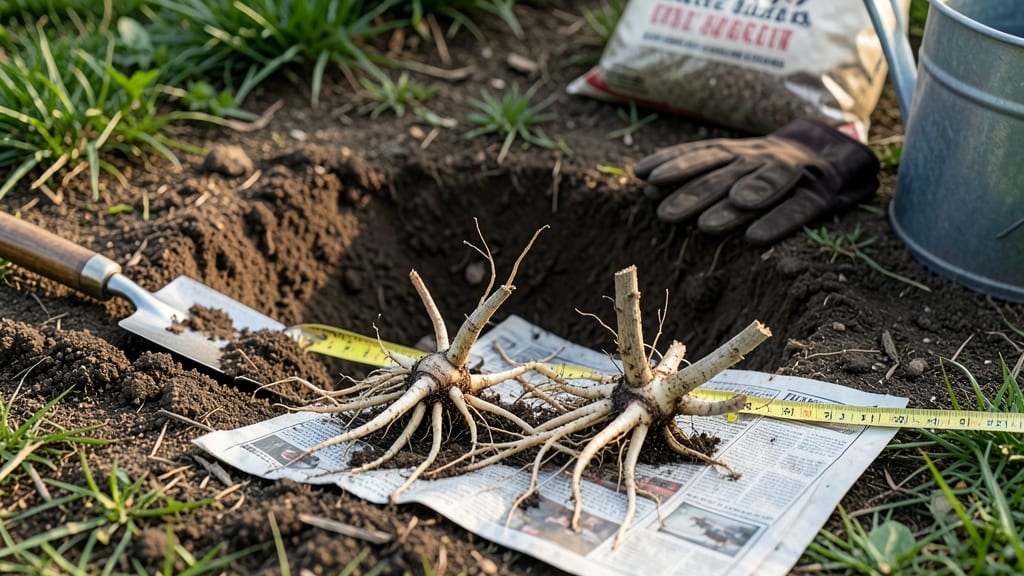
If you’ve ever planted peonies in Zone 5 and ended up with weak stems or sparse blooms, you might’ve missed the perfect timing for root growth. These stunning 🌸 perennials thrive when planted during their natural dormancy window, but getting it wrong can set you back for years.
Fall planting—between September and November—is your best bet in Zone 5, giving roots time to establish before winter’s chill. But spring works too, if you act fast before the soil warms.
I’ll break down exactly when to plant for maximum success, plus how to prep your soil and avoid common pitfalls.
Peonies are long-lived plants, often blooming for decades if planted correctly. The key is getting those roots deep and strong before the first hard freeze. Whether you’re starting with bare-root plants or potted varieties, I’ll walk you through every step to ensure your peonies put down roots like a pro.
Ready to transform your garden with bold, fragrant blooms? Let’s dive into the exact timing, soil prep, and care tips that’ll have your peonies thriving in no time.
Best planting windows for peonies in Zone 5: fall vs. spring breakdown
Peonies in Zone 5 thrive when planted during their natural dormancy period, which means either early fall or early spring. However, fall planting is the preferred method for gardeners in this climate because it allows roots to establish before winter dormancy.
The key is timing—too early or too late can stress your peonies and reduce bloom potential.
In Zone 5, the ideal fall planting window runs from mid-September to early November, giving roots time to anchor before the ground freezes.
Spring planting, on the other hand, should occur as soon as the soil is workable—typically late April to early May—before buds begin to swell. Let’s break down the pros, cons, and exact timing for each method.
| Factor | Fall Planting (Sep-Nov) | Spring Planting (Apr-May) |
|---|---|---|
| Best Time | Mid-September to early November | Late April to early May |
| Soil Temperature | 50-60°F (10-15°C) | 50°F+ (10°C+) |
| Root Establishment | Strong before winter dormancy | Slower; risks summer stress |
| Bloom Timing | Next spring (full strength) | Current year (weaker blooms) |
| Zone 5 Risk | Late frost damage if planted too late | Heat stress if planted too early |
| Watering Needs | Moderate until frost | Frequent until established |
For Zone 5 gardeners, fall planting is the gold standard because it mimics the peony’s natural growth cycle. When planted in September or October, roots have 6-8 weeks to establish before winter, resulting in healthier, more vigorous plants the following spring.
The soil temperature should be between 50-60°F (10-15°C)—any colder, and the roots may struggle to anchor.
If you miss fall planting, don’t panic—spring planting still works, but your peonies may take 1-2 years to reach their full bloom potential. The critical window is late April to early May, right after the last frost date (typically mid-May in Zone 5).
Planting too early risks frost damage to emerging shoots, while planting too late can lead to summer heat stress before roots establish.
Another key factor is peony eye depth. Whether planting in fall or spring, always position the peony eyes (buds) 2 inches below the soil surface. This ensures strong, upward growth and prevents flopping stems later.
Use a ruler or marker to measure depth—it’s a small detail that makes a huge difference in bloom quality.
Pro tip: If you’re planting bare-root peonies (the most common type), soak the roots in water for 1-2 hours before planting. This hydrates the roots and reduces transplant shock. For potted peonies, gently loosen the root ball to encourage outward growth into the surrounding soil.
One common misconception is that spring planting is just as effective as fall planting. While it’s true that peonies can be planted in spring, the root establishment period is shorter, and the plant must compete with summer heat while trying to grow.
This often results in smaller blooms or delayed flowering. For maximum blooms in Zone 5, prioritize fall planting whenever possible.
Finally, consider your Zone 5 microclimate. If you live in a warmer microclimate (e.g., near a large body of water), you might extend the fall planting window slightly into early December.
Conversely, in cooler microclimates (e.g., higher elevations), aim to plant by mid-October to avoid early frosts. Always check your local frost dates and adjust accordingly.
Best planting windows for peonies in Zone 5: fall vs. spring breakdown
In Zone 5, timing is everything when planting peonies. The ideal window spans from late September to mid-November for fall planting, or early April to mid-May in spring.
Fall planting gives roots time to establish before winter, while spring planting risks early blooms that can get damaged by late frosts.
Zone 5’s first frost typically arrives in mid-October, so aim to plant peonies at least 4-6 weeks before this date. This ensures roots have time to grow before dormancy. Spring planting should happen after the last frost (usually mid-May), but before buds emerge.
🌱 Fall vs. Spring Planting Comparison
| Factor | Fall Planting (Sept-Nov) | Spring Planting (Apr-May) |
|---|---|---|
| Best Time | 4-6 weeks before first frost | After last frost, before buds emerge |
| Root Establishment | Strong growth before winter dormancy | Slower growth; blooms may appear early |
| Soil Temperature | 50-60°F (ideal for root growth) | 40-50°F (warmer soil needed) |
| Frost Risk | Low (roots established before freeze) | High (late frosts can damage new shoots) |
| Best For | Long-term root health and blooms | Quick establishment (less ideal for Zone 5) |
For bare-root peonies, fall is the best choice in Zone 5. The cooler temperatures help roots establish without stress. If you must plant in spring, choose potted peonies to avoid transplant shock from disturbed roots.
Pro tip: In Zone 5, September is the sweet spot for fall planting. The soil stays warm enough for root growth but cools down before winter. Avoid planting in late November—roots won’t have time to harden off before freeze.
After planting, mulch heavily (3-4 inches) to insulate roots in winter. This protects them from temperature swings and early spring frosts, which can damage emerging shoots. Use straw or shredded leaves for the best results.
Remember, Zone 5 peonies need 6+ hours of sun daily. Choose a location with full sun exposure to maximize blooms. If your yard has partial shade, plant them where they’ll get the most sunlight possible.