
Plants
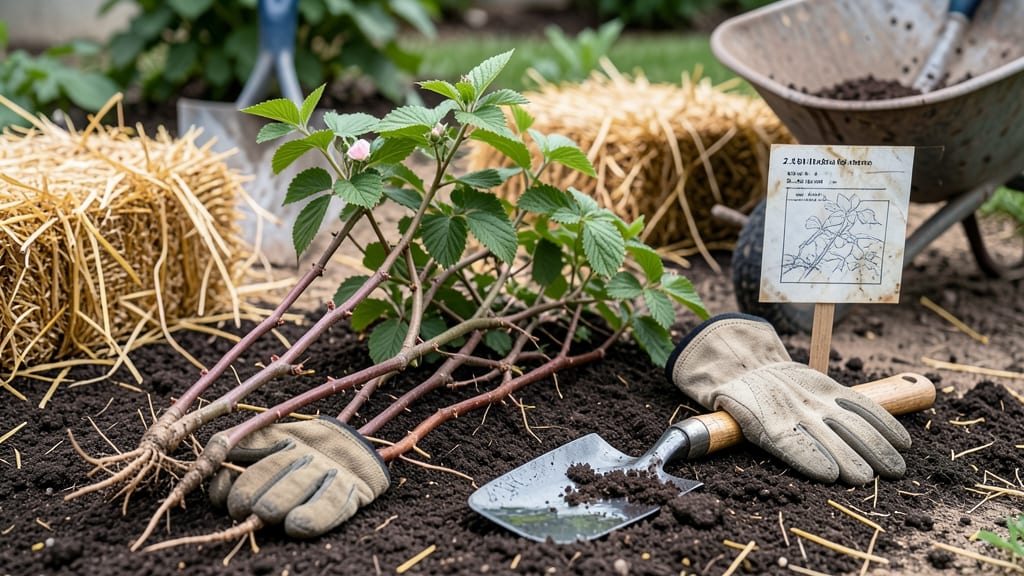
Knowing when to plant raspberries in Kansas can make all the difference between a thriving 🍇 patch and a disappointing harvest. With Kansas’ diverse climate zones—from 5b to 7a—timing your planting just right helps raspberries establish strong roots before extreme heat or frost arrives.
Many gardeners assume spring is the only option, but fall planting actually offers cooler soil and fewer pests, giving young plants a head start. Whether you’re in Wichita or Kansas City, I’ll break down the best windows for both seasons and how to prepare your soil for maximum success.
You’ll also discover how to avoid common pitfalls like late frosts or drought stress, plus variety-specific tips for primocanes vs. floricane types. Let’s get those raspberries off to the best possible start!
Ready to turn your Kansas garden into a berry bonanza? The key is in the timing—and I’ve got the zone-specific details to help you plant with confidence.
Best planting months for raspberries in Kansas by hardiness Zone
Kansas spans USDA hardiness zones 5b through 7a, which means your raspberry planting window depends heavily on your specific location. In Zone 5b (northwest Kansas), you’ll want to plant 4-6 weeks before the first frost, while Zone 7a (southeast Kansas) offers a slightly longer window.
The key is planting when soil temperatures stay above 40°F (4°C) for consistent root growth.
For most of Kansas, early spring (March-April) and fall (September-October) are your best bets. Spring planting gives canes time to establish roots before summer heat, while fall planting allows roots to grow before winter dormancy.
However, Zone 5b gardeners should prioritize fall planting to avoid late spring frosts that can damage new growth.
Here’s the breakdown by zone to ensure you plant at the optimal time for your region:
| Zone | Best Planting Window | Soil Temp Threshold | Frost Risk |
|---|---|---|---|
| 5b (e.g., Hays, Goodland) | Fall: September 15-October 15 Spring: April 15-May 1 |
40°F (4°C) minimum | High late spring frost risk |
| 6a (e.g., Manhattan, Salina) | Fall: September 1-October 10 Spring: March 20-April 15 |
45°F (7°C) minimum | Moderate frost risk |
| 7a (e.g., Wichita, Topeka) | Fall: September 15-October 5 Spring: March 1-April 10 |
50°F (10°C) minimum | Low frost risk |
If you’re in Zone 5b, avoid planting in late spring—late frosts in April can kill young canes. Instead, opt for fall planting, which gives roots time to establish before winter.
In Zone 7a, you have more flexibility, but planting too late in fall (after October 15) risks roots not hardening off before winter.
For primocane-bearing varieties (like 'Heritage' or 'Boyne'), fall planting is ideal because they produce fruit on current season’s canes. Floricane-bearing varieties (like 'Boyne Gold') can handle either season, but spring planting gives them a head start in Zone 6a.
Pro tip: Check the Kansas State University Extension frost date maps for your specific county. Their data is updated annually and accounts for microclimates that can shift planting windows by 1-2 weeks in either direction.
Once you’ve nailed down the timing, the next step is preparing your soil—Kansas’ clay-heavy soils need special attention to ensure raspberries thrive. We’ll cover that in the next section, including how to test your soil’s pH and drainage for optimal raspberry growth.
🌱
Best planting months for raspberries in Kansas by hardiness Zone
Kansas spans USDA hardiness zones 5b to 7a, creating distinct planting windows for raspberries. In Zone 5b (northwest Kansas), aim for early spring (March-April) or late summer (August-September) to avoid late frosts. Meanwhile, Zone 7a (southeast Kansas) offers a longer fall window until mid-October before winter dormancy sets in.
Soil temperature is critical—raspberries thrive when roots can establish at 50°F+. In Zone 6a (central Kansas), this typically means planting by April 15 in spring or September 15 in fall.
Always check local frost dates: Zone 5b’s last frost averages April 1, while Zone 7a’s is March 15.
🌱 Soil temperature thresholds:
- Below 40°F: Planting stalls root growth
- 40–50°F: Roots establish slowly
- 50°F+: Ideal for planting and growth
Fall planting is often preferred in Kansas because cooler temperatures reduce transplant shock and allow roots to establish before winter. However, avoid planting too late—6 weeks before first frost is ideal. In Zone 5b, this means no later than September 15.
For primocane varieties (like 'Heritage' or 'Nova'), fall planting gives canes an extra growing season before fruiting. Floricane varieties (like 'Boyne' or 'Dorman Red') benefit from spring planting to establish roots before summer heat.
Always check Kansas State University Extension for localized frost data—urban areas like Wichita may have 2–3°F warmer microclimates than rural zones. Use this to adjust your planting timeline by 1–2 weeks if needed.