
Plants
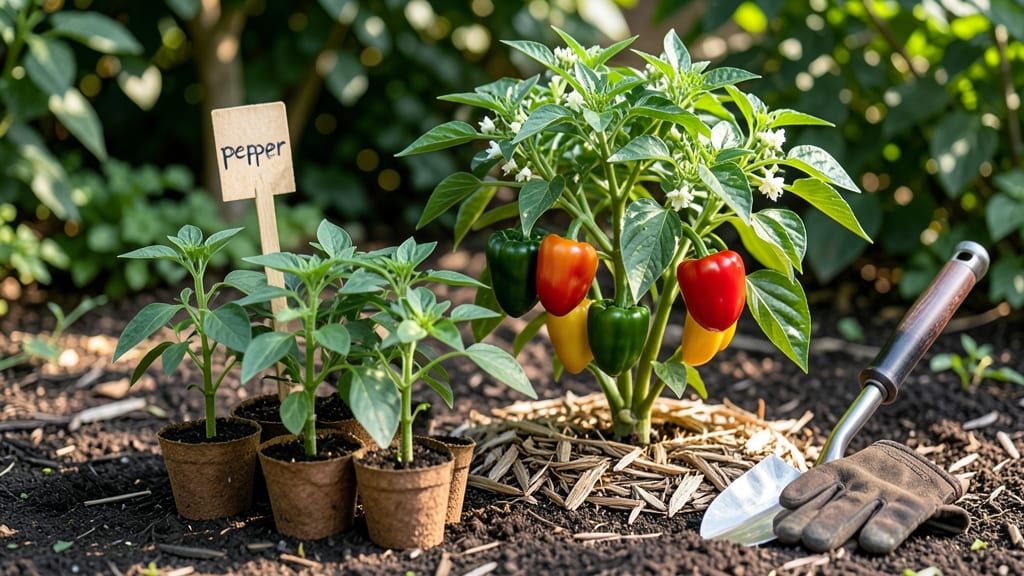
Knowing when to plant peppers in Pennsylvania can mean the difference between a thriving garden and a sad, frost-nipped disappointment. Those 🌶️ plants need warmth to thrive, and Pennsylvania’s unpredictable spring weather makes timing everything.
Most gardeners here wait until after the last frost—typically around April 15—but that’s just the start. Soil temperature matters just as much as the calendar, and peppers won’t germinate well until it hits 60°F or higher.
If you’re starting indoors, you’ve got more flexibility, but outdoor transplants need perfect conditions.
In this guide, I’ll break down the exact windows for both indoor starts and direct planting, so you can avoid common mistakes like planting too early or missing the sweet spot for a late-summer harvest.
Whether you’re a first-time gardener or a seasoned pro, these tips will help you grow peppers that are juicier, healthier, and more abundant than ever before.
Ready to turn your Pennsylvania garden into a pepper powerhouse? Let’s dive into the details—because timing isn’t just about luck, it’s about strategy.
Pennsylvania’s frost-free deadline for planting peppers (with county-specific variations)
Peppers are heat-loving plants that demand precise timing in Pennsylvania’s variable climate. The last frost date typically falls between April 15 and May 15, but this shifts dramatically across the state’s USDA zones 5b–7a.
In northern PA (zones 5b–6a), like Erie or Scranton, wait until after May 1—late frosts linger here. Meanwhile, southern PA (zones 6b–7a), such as Philadelphia or Pittsburgh, can safely plant by mid-April.
Why the urgency? Peppers won’t germinate below 60°F soil, and seedlings die instantly in 32°F+ frosts. Even hardened transplants struggle in 50°F nights. Use the Almanac’s Frost Calculator to pinpoint your county’s average last frost—then add 2 weeks as a buffer for safety.
Microclimates complicate things. Urban areas like Pittsburgh’s strip district may warm 5°F faster than rural Lancaster County due to concrete heat absorption. If your yard sits in a frost pocket (common in valleys), plant 2 weeks later or use row covers for extra protection.
For direct-sown seeds, wait until soil hits 70°F+—usually late May in most regions.
But transplants tolerate slightly cooler 65°F soil, letting you plant 2–3 weeks earlier if you start indoors. Hot peppers (like Cayenne) germinate faster than bell peppers, so prioritize them if your season is short.
| Region | USDA Zone | Avg. Last Frost | Safe Planting Window | Soil Temp Goal |
|---|---|---|---|---|
| Northwest (Erie, State College) | 5b–6a | May 1–15 | May 15–June 1 (transplants) | 65°F+ |
| Northeast (Wilkes-Barre, Scranton) | 6a–6b | April 25–May 5 | May 1–May 15 | 65°F+ |
| Central (Harrisburg, Lancaster) | 6b–7a | April 15–25 | April 25–May 10 | 60°F+ |
| Southeast (Philadelphia, Reading) | 7a–7b | April 1–10 | April 10–20 | 60°F+ |
| Southwest (Pittsburgh, Johnstown) | 6b–7a | April 15–May 1 | April 25–May 5 | 65°F+ |
🌡️ Pro Tip: Use a soil thermometer—peppers won’t thrive in inconsistent warmth.
If you’re starting seeds indoors, begin 8–10 weeks before your last frost date. For northern PA, that’s mid-March; for southern PA, late February.
Use grow lights to prevent leggy seedlings—peppers need 14–16 hours of light daily. Hot peppers like Jalapeños germinate in 7–10 days at 80°F, while bell peppers take 10–14 days at 70°F.
For direct sowing, wait until soil is consistently 70°F+—usually late May in most of PA.
Test with a moisture meter: if the top 2 inches warm up by noon, it’s safe. Black plastic mulch can add 5–10°F to soil temp, letting you plant 1–2 weeks earlier. Just remove it after harvest to prevent soil compaction.
Late June plantings are risky—your peppers may bolt (flower prematurely) or fail to mature before first frost (usually mid-October). Instead, opt for fast-maturing varieties
Soil temperature & seed starting: when to transplant peppers for maximum yield
If you’re growing peppers in Pennsylvania, soil temperature is just as critical as the last frost date. Peppers won’t germinate well in cold soil—aim for 60°F or warmer for direct sowing, or 65°F+ for transplants.
In most of PA, this means waiting until late May for outdoor planting, unless you use heat mats or row covers.
For indoor starts, begin seeds 8–10 weeks before your last frost (typically March 15–April 1 in PA). This gives seedlings enough time to mature before transplanting. Use a seedling heat mat to maintain 75–85°F soil temps for faster germination.
🌱 Comparison Table: Indoor Starts vs. Direct Sowing
| Method | Best Time | Soil Temp | Pros | Cons |
|---|---|---|---|---|
| Indoor Starts | March 15–April 1 | 75–85°F | Longer growing season, stronger seedlings | Requires space, transplant shock risk |
| Direct Sowing | Late May–June | 60°F+ | No transplanting needed, simpler | Slower germination, frost risk |
To harden off seedlings, move them outdoors for 1–2 hours daily starting 1 week before transplanting. Gradually increase exposure to full sun to avoid shock. For cold soils, use black plastic mulch to warm the ground by 5–10°F.
If your soil stays below 60°F past June 1, consider using a mini greenhouse or row covers to create a warmer microclimate. This extends your planting window and protects young plants from late-season pests like flea beetles.
Remember, peppers thrive in warmth and consistency. Once transplanted, keep soil moist but not soggy—1–2 inches of water weekly—and watch for signs of stress like yellowing leaves or stunted growth. Adjust your planting timing based on your local microclimate!