
Plants
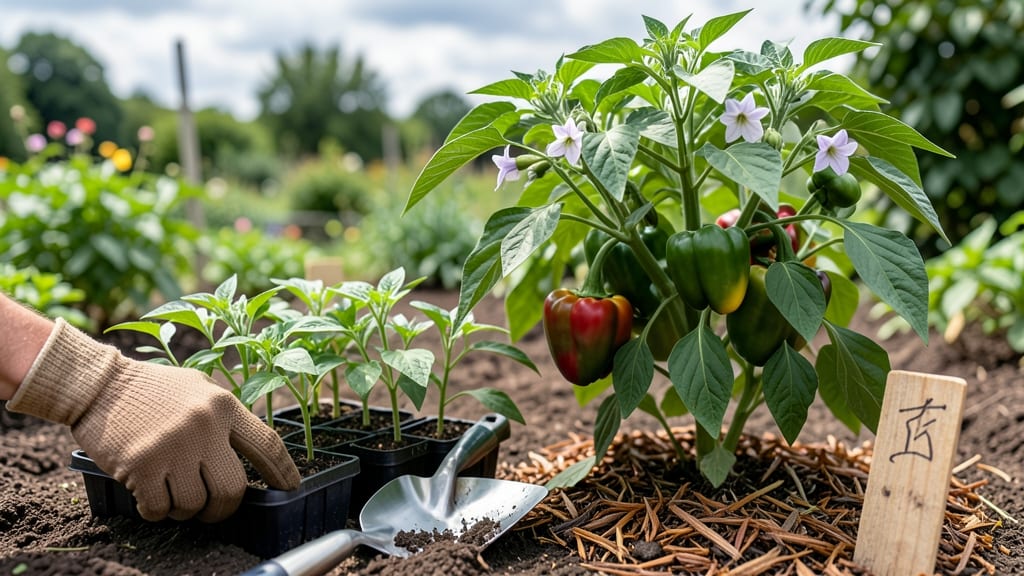
Timing your bell pepper planting in Michigan right could mean the difference between a bountiful harvest and a sad, wilted garden. With Michigan's unpredictable spring weather—where frost can linger into May—getting those 🌶️ seeds in the ground too early risks losing your entire crop to cold snaps.
But here's the good news: with the right strategy, you can stretch your growing season from July all the way to October. I'll show you exactly when to start seeds indoors, when to transplant seedlings, and how to adjust for your specific USDA zone (5b-6b).
Whether you're a first-time gardener or a seasoned pro, these tips will help you avoid common mistakes and maximize your pepper yield.
Let's cut to the chase—you don't want to wait until it's too late to plant. The ideal window runs from mid-April to mid-May, but there's more to it than just dates.
We'll cover soil temperature requirements, frost-free date variations across Michigan, and even tricks to extend your harvest into fall. Ready to grow peppers that'll make your neighbors jealous?
By the end of this guide, you'll know exactly when to plant, how to prepare your soil, and which varieties thrive best in Michigan's climate. No more guessing games—just a foolproof plan for homegrown bell peppers that'll keep your kitchen stocked all season long.
Michigan bell pepper planting dates by hardiness zone (last frost guides)
Michigan’s USDA zones 5b-6b create unique challenges for growing bell peppers. These heat-loving plants need 60°F+ soil temperatures and frost-free conditions to thrive. Planting too early risks frost damage, while waiting too long cuts your harvest window. Let’s break down the perfect planting windows for each zone.
Most of Michigan experiences its last spring frost between April 15-25, but northern areas (Zone 5b) can face delays until May 5. Southern regions (Zone 6b) often hit safe planting dates by April 20. Always check your local Michigan State University Extension frost maps for precise dates.
Here’s how to align your planting with Michigan’s climate:
For direct sowing, wait until soil temperatures consistently stay above 65°F—usually late May to mid-June in Michigan. Use a soil thermometer to confirm. Transplants can handle slightly cooler soil (60°F+) and give you an earlier start.
Pro tip: Start seeds indoors 8-10 weeks before your last frost date. Use grow lights to provide 14-16 hours of light daily. Harden off seedlings for 7-10 days before transplanting to avoid shock.
Northern Michigan gardeners should prioritize early-maturing varieties like 'Early California Wonder' (60 days) or 'Sweet Banana' (65 days). Southern regions can try longer-season varieties like 'Jupiter' (80 days) or 'Carmen' (75 days) for bigger harvests.
Always monitor your local 7-day forecast before planting. A late frost can devastate young plants, so have row covers ready if temperatures dip below 50°F after transplanting.
Remember: Bell peppers need 6-8 hours of sunlight daily and well-draining soil. Amend your garden beds with compost before planting to improve fertility and drainage.
Michigan bell pepper planting dates by hardiness zone (last frost guides)
Michigan’s USDA zones 5b-6b create unique challenges for growing bell peppers, which thrive in warmth. The key to success? Planting after the last frost date—typically mid-April to early May—when soil temperatures hit 60°F.
In colder northern zones (like zone 5b), you’ll need to start seeds indoors 8-10 weeks before transplanting, while southern zones (like zone 6b) can direct-sow slightly earlier.
For zone 5b (northern Michigan), aim to transplant seedlings May 15-30 after all frost risk has passed. In zone 6a/6b (southern Michigan), you can plant April 20-May 10, giving peppers a longer growing season.
Always check your local Michigan State University Extension frost maps for precise dates—last year’s late May frost in Traverse City caught many gardeners off guard!
🌱Pro Tip: Use a soil thermometer to confirm 60°F+ soil temps before planting. Cold soil slows germination and stunts growth.
| Zone | Last Frost Date | Transplant Window | Direct Sow Window | Soil Temp Requirement |
|---|---|---|---|---|
| 5b (Northern MI) | Mid-April | May 15-30 | June 1-15 (risky) | 60°F+ |
| 6a (Central MI) | Early-Mid April | April 25-May 10 | May 1-15 | 60°F+ |
| 6b (Southern MI) | Late March-Early April | April 20-May 5 | April 15-May 10 | 60°F+ |
🌡️ Note: Adjust dates 1-2 weeks earlier for early varieties or later for late-season heat.
If you’re direct-sowing (skipping seedlings), plant 2-3 weeks after your transplant window—pepper seeds need consistent warmth to germinate. For example, in zone 6b, direct-sow May 1-15 after ensuring no more frost is forecasted. Slow germination (10-20 days) is normal in Michigan’s cool springs, so don’t rush!
For extended harvests, choose early-maturing varieties like ‘Sweet Banana’ (60 days) or ‘California Wonder’ (70 days) for northern zones. Southern Michigan gardeners can try late-season varieties like ‘Jupiter’ (85 days) or ‘Arpad F1’ (90 days) to push harvests into October.
Pair this with row covers or black plastic mulch to warm soil faster.
🌿Remember: Bell peppers are heat-lovers—they need 70-85°F days to thrive. If your summer cools below 65°F, growth slows dramatically. Monitor your local high-temperature forecasts and adjust planting dates if early-season heatwaves arrive!