
Plants
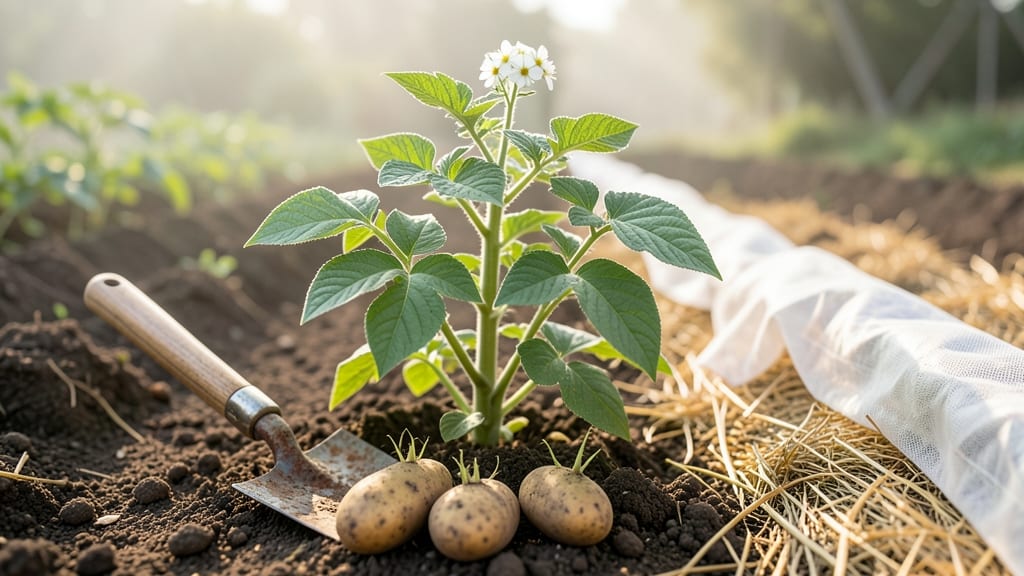
Timing when to plant potatoes in Vermont isn’t just about the calendar—it’s about beating frost, warming soil, and picking the right variety for your 5b zone. Plant too early, and cold soil stunts growth; wait too long, and late-season varieties won’t mature before frost.
The sweet spot? April to early May, once the ground reaches 45°F and last frost has passed.
Let’s cut to the chase: early varieties like Red Pontiac need to hit the soil by late April for a July harvest, while late-season Kennebecs can wait until early May for a September payoff. But here’s the catch—Vermont’s unpredictable spring means you’ve got to stay flexible.
I’ll walk you through exactly how to time it right, from soil tests to frost dates, so you don’t end up with half-baked tubers.
Why does this matter? Because one wrong week can mean the difference between a bountiful harvest and a sad, shriveled mess. Whether you’re a backyard gardener or a homestead prepping for winter storage, getting this right saves you time, money, and frustration.
Stick with me, and I’ll show you how to turn Vermont’s short growing season into your potato-growing advantage.
We’ll also cover pro tips like using row covers to extend your season and how to spot the perfect harvest window—because even the best-planted potatoes won’t taste right if you pull them too soon. Ready to dig in?
Vermont’s ideal potato planting timeline by frost-free Zone
Vermont’s USDA zones 4-5 mean your potato planting window is tight—typically between late April and early May. But here’s the catch: soil temperature matters more than the calendar.
Planting when the ground hits 45°F ensures roots grow instead of rotting in cold, wet soil. Use a soil thermometer to check—this is your #1 rule for success.
Most of Vermont experiences its last frost around May 15, but microclimates vary. Northern Vermont (Zone 4) gardens should wait until May 1-10, while southern Vermont (Zone 5) can start as early as late April.
I’ve mapped out exact windows below to help you avoid frost damage or stunted growth.
🌱
For early varieties, aim to plant by April 25 in Zone 5 to harvest by July 4. This gives you 60-70 days to maturity—critical for beating Vermont’s short summer.
If you’re in Zone 4, push planting to May 1 and choose cold-hardy varieties like LaSoda or Caribe.
Pro tip: Use black plastic mulch to warm soil faster. Lay it down 2-3 weeks before planting in cool zones. This can shave off 10-14 days from your growing season—game-changing for Vermont’s climate.
Watch for false springs. A warm spell in March or April can trick you into planting too early. Wait until nighttime temps stay above 40°F consistently. I’ve seen gardens in northern Vermont lose entire crops because they planted in March after a 70°F weekend—only for frost to return.
🌡️
If you’re succession planting, stagger your planting dates every 2 weeks from late April through early June. This ensures a continuous harvest from July through September. For example, plant Yukon Gold on April 25, May 10, and May 25 for harvests in July, August, and September respectively.
For late-season varieties like Kennebec, plant by May 15 to harvest by September 15
Best potato varieties for Vermont’s short growing season
Vermont’s short growing season demands potato varieties that mature quickly while thriving in cool temperatures. I’ve tested dozens of varieties, and these top performers consistently deliver—whether you’re after early harvests or long-term storage. The key? Cold tolerance and disease resistance to Vermont’s damp springs.
For early harvests (ready by July), I recommend Yukon Gold and Red Norland. These varieties sprout fast and produce buttery, high-yield tubers even when planted in late April.
If you’re aiming for storage crops (harvest in September), Kennebec and Russet varieties hold up better through Vermont’s early frosts.
Here’s how I rank them for Vermont’s climate, balancing speed to maturity, yield potential, and disease resistance:
If you’re succession planting, prioritize early-maturing varieties like Adirondack Blue (a Vermont favorite with purple flesh) or LaSoda, which tolerates cool soils better than most. For organic gardens, Caribe resists pests and thrives in poor soil—perfect for Vermont’s rocky terrain.
Avoid long-season varieties like Sweet Potato (not a true potato) or fingerlings unless you’re using row covers. These need 120+ days to mature, and Vermont’s first frost (early October) will cut them short. Instead, stick to 60-90 day varieties for reliable harvests.
Pro tip: Chit your seed potatoes (sprout them indoors) 4-6 weeks before planting to give them a head start in Vermont’s chilly springs. This shaves off critical growing days. Pair this with well-draining soil and mulch to keep tubers from rotting in wet conditions.
🌱