
Plants
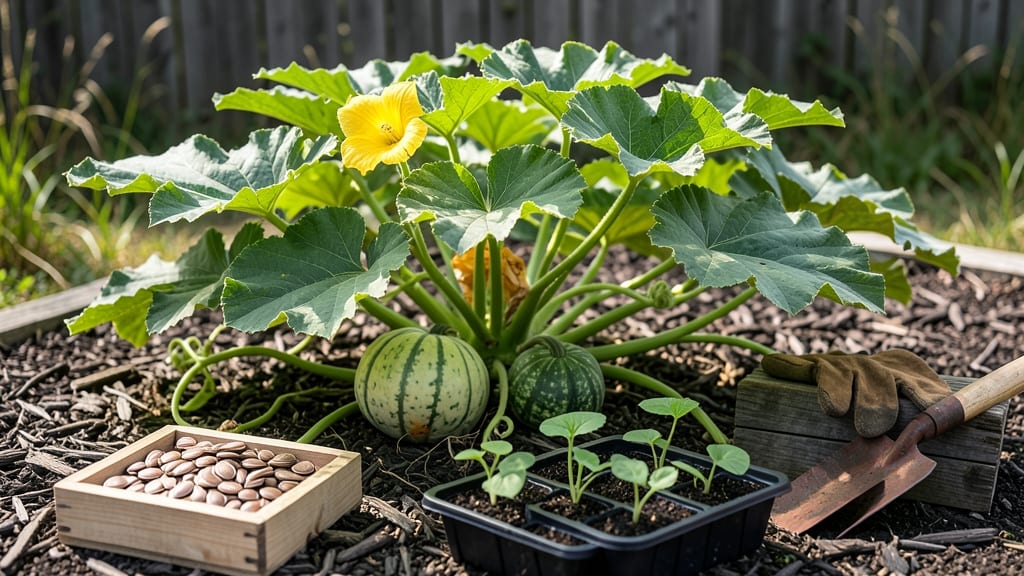
When to plant pumpkin seeds in Indiana can make all the difference between a bountiful harvest and a disappointing patch of wilted vines. With last frost dates hovering around mid-April and a short growing season, knowing exactly when to plant is the key to success.
Indiana’s USDA zones 5b-6a demand careful planning, especially when balancing cool spring nights with the need for warm soil. Plant too early, and frost will nip your seedlings in the bud; too late, and summer’s heat might rush your pumpkins to maturity before they’re ready for harvest.
I’ve tested different varieties and planting windows, and what works best depends on whether you’re growing fast-maturing summer squash or hardy winter types. Let me walk you through the exact frost-free windows, soil temperature thresholds, and variety-specific strategies that actually work in Indiana’s climate.
From seed depth to companion planting, you’ll discover the game-changer tips that help Indiana gardeners avoid common mistakes—like overcrowding or blossom-end rot—and maximize their pumpkin patch potential.
Indiana’s frost-free dates for pumpkin seed planting: when to start
Indiana’s USDA zones 5b-6a mean pumpkin seeds need precise timing to thrive. The average last frost date across the state ranges from mid-April in southern Indiana to early May in northern regions.
Planting too early risks frost damage, while waiting too long can shorten your growing season—especially for winter squash varieties that need 90+ days to mature.
Pumpkin seeds require soil temperatures of 60-85°F to germinate properly. In Indiana, this typically aligns with late April to early June, but soil thermometers are your best friend for accuracy. Cold, wet soil can delay germination by weeks, leaving your pumpkins vulnerable to pests and disease.
Northern Indiana (e.g., Gary, South Bend) often sees frost until May 10-15, while southern areas (e.g., Evansville, Louisville) may be frost-free by April 15.
Use the Purdue Extension frost date calculator to pinpoint your local window—this tool accounts for microclimates like urban heat islands or sheltered valleys.
For summer squash varieties (e.g., ‘Straightneck’), you can push the envelope and plant as early as April 1 in southern Indiana, using row covers for protection. However, winter squash like ‘Sugar Pie’ should wait until after May 1 to ensure maturity before frost.
Pro tip: Start seeds indoors 2-3 weeks before your last frost date if you’re eager to get a jumpstart. Use biodegradable pots to transplant seedlings directly into the garden after the danger of frost has passed. This method extends your growing season by 2-3 weeks for early varieties.
| Region | Avg. Last Frost | Ideal Planting Window | Soil Temp. Threshold | Notes |
|---|---|---|---|---|
| Southern Indiana (USDA 6a) | April 15 | April 15–May 1 | 60–70°F | Longest growing season; early varieties thrive |
| Central Indiana (USDA 5b) | April 25 | May 1–May 15 | 70–80°F | Moderate risk of late frost; prioritize fast-maturing varieties |
| Northern Indiana (USDA 5a) | May 10 | May 15–June 1 | 75–85°F | Shortest season; focus on dwarf or heat-tolerant varieties |
| Urban Microclimates | Varies (1–2 weeks earlier) | Adjust by 7–14 days | 65–80°F | Pavement and buildings can warm soil faster; monitor closely |
If you’re planting pie pumpkins like ‘New England Pie’, aim for May 1–15 to ensure they mature before the first frost in October. These varieties need 90+ days to reach harvest, so don’t cut it too close.
For summer squash, you can stretch your window by succession planting every 2 weeks through early June.
Always check the Indiana State Climate Office for real-time updates if your area experiences unusually early or late frosts. A sudden cold snap in late May can devastate young
Best pumpkin varieties for Indiana’s short season: planting timelines by type
Indiana’s short growing season (about 165 frost-free days) demands smart variety selection. Summer squash like ‘Zucchini’ or ‘Yellow Crookneck’ mature in just 35-55 days, making them ideal for early spring plantings. These fast growers can even handle late frosts if started indoors or under row covers.
For pie pumpkins and winter squash, timing is critical. Varieties like ‘New England Pie’ (75-90 days) or ‘Sugar Pie’ need to be planted by mid-May to avoid frost damage.
Heat-tolerant options like ‘Jack Be Little’ (80-90 days) are perfect for Indiana’s hot summers and can handle later plantings up to early June.
Pumpkin Variety Planting Guide for Indiana
| Variety Type | Days to Maturity | Best Planting Window | Indiana Notes |
|---|---|---|---|
| Summer Squash | 35-55 days | Mid-April to early May | Fast harvest; great for succession planting |
| Pie Pumpkins | 75-90 days | Mid-May to early June | Choose cold-hardy varieties like 'New England Pie' |
| Winter Squash | 80-100+ days | Early May to late May | Plant heat-loving types like 'Jack Be Little' |
Succession planting is your secret weapon in Indiana. After harvesting early summer squash by July, replant with ‘Cinderella’ or ‘Waltham Butternut’ (90-100 days) to extend your harvest into October. Just ensure your soil stays warm (70°F+)—cool soils delay germination.
For container gardening, opt for bush varieties like ‘Small Sugar’ (75 days) or ‘Minnesota Golden’ (90 days). These compact types thrive in 5-gallon pots and can be planted as late as June 1 in Indiana’s warmer microclimates, like urban heat islands.
🌱 Pro Tip for Indiana Gardeners
Use black plastic mulch to warm soil faster—critical for early plantings. This can shave 10-14 days off your growing season!
If you’re direct-seeding, aim for soil temps above 60°F—use a soil thermometer to check. For transplants, wait until mid-May when nighttime temps stay above 50°F. And remember: ‘Howden’ (85 days) and ‘Long Island Cheese’ (90 days) are Indiana favorites for their cold tolerance and disease resistance.
🎃