
Plants
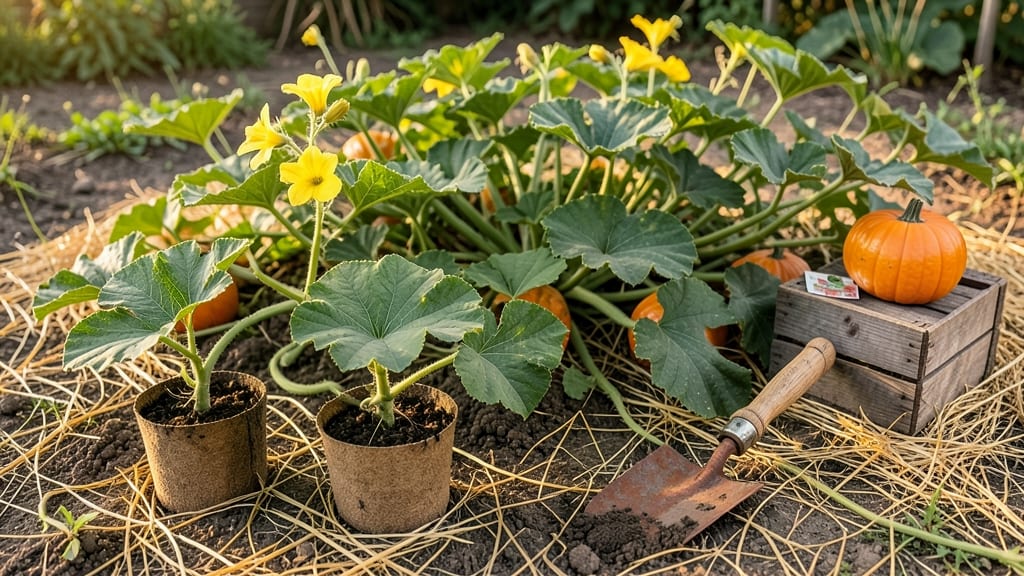
Best planting months for pumpkins in North Florida’s climate
North Florida’s USDA Zone 8a offers a 240-day frost-free window, but timing is everything for pumpkins. The ideal window is March through April, when soil temperatures consistently hit 60°F or above.
This ensures your pumpkins escape late-winter cold snaps while avoiding the brutal summer heat that can stress vines.
For gardeners in Jacksonville, aim for mid-March—the average last frost date is February 15, but cold snaps can linger. In Gainesville and Tallahassee, wait until late March to give the soil time to warm. These microclimate differences matter because pumpkin seeds won’t germinate below 50°F.
You can plant in February if you use row covers or black plastic mulch to warm the soil faster. However, May plantings are risky—they may produce small, underdeveloped pumpkins before the November 15 first frost. Always prioritize 90-day varieties to ensure harvest before cold weather arrives.
🌱
| Planting Window | Soil Temp Requirement | Best For | Harvest Window |
|---|---|---|---|
| March 1–15 | 60°F+ | Jacksonville, coastal areas | August–September |
| March 15–31 | 60°F+ | Gainesville, Tallahassee | September–October |
| February (with covers) | 55°F+ | Early start, risk of frost | July–August |
| May (last chance) | 70°F+ | Small harvest, heat stress | October (if lucky) |
To check if your soil is ready, use a soil thermometer—pumpkin seeds need consistent warmth to sprout. If temps dip below 60°F, germination slows dramatically. In North Florida’s humidity, warm soil also prevents damping-off disease, a fungal killer of young seedlings.
For container gardening, plant in late March to avoid overheating pots. Use 5-gallon containers per plant and place them in full sun. Containers dry out faster, so monitor soil moisture daily during summer’s peak heat.
Pro tip: Mark your calendar for June 1—this is when North Florida’s summer really heats up. If you plant too late, your pumpkins may struggle to mature before hurricane season or early frosts. Aim for 75–90 days to harvest to stay ahead of the weather.
🌡️
If you’re unsure about your local frost dates, check the Florida Automated Weather Network (FAWN) for your county’s data. For example, Jacksonville’s last frost average is February 15, but Tallahassee’s can be as late as March 1.
Adjust your planting date 2–3 weeks earlier if you’re in a cooler microclimate like the Apalachicola region.
Finally, avoid planting in August—the heat and humidity will stress your pumpkins, leading to poor fruit set and disease pressure. Instead, focus on spring plantings for the best results in North Florida’s climate.
☀️
Best planting months for pumpkins in North Florida’s climate
North Florida’s USDA Zone 8a offers a 240-day frost-free window, giving you two prime chances to grow pumpkins. The ideal planting window is mid-March to early April, right after the average last frost date (February 15), when soil temperatures hit 60°F.
This timing ensures your vines mature before summer’s brutal heat peaks.
For a fall harvest, you can also plant late summer (August) for pumpkins that ripen before the first frost (November 15). However, summer planting requires extra care—shade cloth and consistent watering become critical to prevent vine stress in 90°F+ temperatures.
🌱
North Florida Pumpkin Planting Timeline
| Stage | Action | Key Notes |
|---|---|---|
| Soil Prep | Test pH (6.0-6.8), amend with compost | Use raised beds in heavy clay soil |
| Spring Planting | Direct seeds March 15-April 15 | 1 inch deep, 3 seeds per mound |
| Summer Care | Water 1-2" weekly, mulch | Use drip irrigation to avoid fungal issues |
| Fall Harvest | Pick August-October | Hard rind = ready to harvest |
Microclimates matter in North Florida! Jacksonville’s coastal humidity may delay planting by a week compared to inland Gainesville’s drier air. Always check your local Almanac frost dates—even a 2-3°F temperature drop can damage young vines. For extra safety, use black plastic mulch to warm soil faster in cooler microclimates.
Pro tip: Start seeds indoors 4-6 weeks before your target outdoor date if using transplants. North Florida’s short growing season means every day counts! Use biodegradable pots to avoid transplant shock when moving seedlings outdoors.
🌡️