
Plants
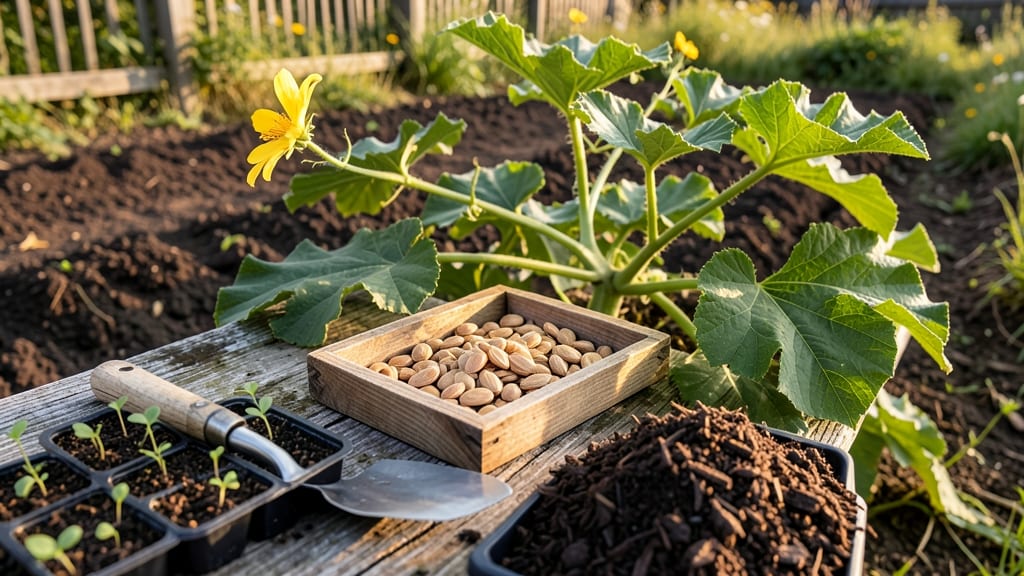
When to plant pumpkin seeds in Arizona can mean the difference between a bumper crop and a sad, wilted vine by July. The state’s brutal heat and sudden monsoons demand precision—plant too early, and your seedlings fry; too late, and you miss the growing window entirely.
But here’s the good news: with the right heat-tolerant varieties and a few local tricks, you can grow 50-pound pumpkins even in the desert. Whether you’re in Phoenix’s low desert or Flagstaff’s cooler highlands, I’ll break down the exact windows to plant for maximum success.
We’ll cover everything from soil temperature thresholds (70°F minimum) to microclimate hacks that extend your growing season by 30+ days. No more guessing—just proven strategies to turn your Arizona garden into a pumpkin powerhouse.
Ready to skip the trial-and-error? Let’s dive into the perfect planting schedule for your region, plus the top varieties that thrive under the sun.
Arizona pumpkin planting calendar: best months by region (low desert vs. high desert)
Arizona’s diverse elevations create dramatic differences in pumpkin planting success. In the low desert (Phoenix, Tucson), where temperatures routinely hit 115°F+, your window is tight—just 60 days between ideal soil warmth and monsoon chaos.
Meanwhile, the high desert (Flagstaff, Prescott) offers a cooler, more forgiving 90-day growing season thanks to milder nights.
Your first critical step? Check soil temperatures. Pumpkin seeds need minimum 70°F soil to germinate—any cooler, and they’ll rot in the ground. Use a soil thermometer (or the back of your hand—if it feels warm like bathwater, you’re good).
In Phoenix, this typically means planting by mid-March; in Flagstaff, you can wait until late April.
Here’s the non-negotiable timeline for both regions, accounting for Arizona’s unpredictable monsoons and first-frost dates (January 10 in low deserts, November 15 in high deserts). Get this wrong, and you’ll end up with blossom-end rot or vines collapsing under 100°F heat.
Arizona Pumpkin Planting Calendar by Region
| Region | Elevation Zone | Planting Window | Soil Temp Threshold | Harvest Window | Key Risk |
|---|---|---|---|---|---|
| Low Desert (Phoenix, Tucson) | 2,500–3,500 ft | Feb 28–Mar 15 (spring) or Jul 20–Aug 5 (fall) | 70°F+ (use black plastic mulch) | Jul 15–Oct 15 (spring) or Oct 1–Nov 10 (fall) | Monsoon downpours (fungus risk) |
| High Desert (Flagstaff, Prescott) | 5,000–7,000 ft | Apr 15–May 1 (spring) or Jul 1–Jul 15 (fall) | 65°F+ (cooler nights extend season) | Aug 1–Sep 30 (spring) or Sep 15–Nov 1 | Early frost (protect with row covers) |
| Urban Microclimates (e.g., Mesa, Tempe) | 3,000–4,000 ft | Mar 1–Mar 20 (spring) or Jul 10–Jul 25 (fall) | 68°F+ (paved areas stay hotter) | Jun 20–Sep 20 (spring) or Sep 1–Oct 15 | Heat stress (use shade cloth for seedlings) |
🌡️ Pro Tip: High desert growers can push a second fall crop by planting ‘Sugar Pie’ in late June—its 75-day maturity fits before frost.
Spring planting is the gold standard in Arizona, but fall crops work if you time them right. For low deserts, aim to harvest by mid-October—after that, monsoon humidity spikes powdery mildew risk.
In high deserts, you’ve got until November 1 before frost hits, giving you a 30-day buffer for late bloomers.
One common mistake? Planting too early. Cool March nights (50°F) in Phoenix can stunt seedlings, while April’s unpredictable showers may drown them. Instead, use biodegradable seed starter pots and wait for consistent 75°F+ days before transplanting.
For container growers, this means starting seeds indoors by February 15 (low desert) or March 15 (high desert).
Water management is your secret weapon. In the low desert, drip irrigation set to early morning (5–7 AM) prevents evaporation and fungal diseases. High desert gardens need 1–2 inches of water weekly,
Arizona pumpkin planting calendar: best months by region (low desert vs. high desert)
Arizona’s diverse microclimates mean your pumpkin planting window could be a 6-week difference between Phoenix and Flagstaff. The low desert (Phoenix, Tucson) has a longer spring window thanks to early soil warming, while the high desert (Prescott, Flagstaff) waits for cooler nights to avoid heat stress.
Both regions benefit from fall planting, but timing must account for first frost dates that vary by 1,000+ feet in elevation.
For Phoenix and Tucson (USDA Zone 10a-11), the ideal planting window is mid-February to early April for spring crops and late July to early August for fall harvests.
In Flagstaff and Prescott (Zone 7a-8a), wait until late March to mid-April in spring and mid-August to early September in fall. The key metric? Soil temperature must stay above 70°F for 7+ days before planting—use a soil thermometer to avoid false starts.
| Region | Spring Planting Window | Fall Planting Window | Soil Temp Threshold | First Frost Risk |
|---|---|---|---|---|
| Low Desert (Phoenix/Tucson) | Mid-February to Early April | Late July to Early August | 70°F+ (consistent) | December 15 (rare) |
| High Desert (Flagstaff/Prescott) | Late March to Mid-April | Mid-August to Early September | 65°F+ (minimum) | October 15 (likely) |
| Elevation 2,500–5,000 ft | Adjust +2 weeks later | Adjust +2 weeks earlier | 60°F+ (minimum) | November 1 (variable) |
In urban microclimates like Tempe or Mesa, heat islands can push soil temps 10°F higher than rural areas—plant 1–2 weeks earlier if your garden sits near pavement or rooftops.
For container growers, use black plastic pots to absorb heat and extend the season by 3 weeks compared to standard terracotta. Always harden off seedlings for 7–10 days before transplanting to prevent heat shock.
Pro tip: Seed-starting indoors under grow lights lets you begin 6–8 weeks before outdoor planting.
Use biodegradable pots to avoid root disturbance when moving to raised beds, which warm up 3–5°F faster than in-ground soil. Mulch with straw after transplanting to retain moisture and regulate soil temps during Arizona’s monsoon swings.
Remember: Pumpkins need 90–120 days to mature, so fall-planted seeds must be in the ground by mid-August to avoid frost.
If you’re in Zone 10a (Yuma, Tucson), you can push it to early September, but monitor nighttime lows—50°F will stunt growth. Save seeds from your best pumpkins for next year’s earlier starts!
🌱🌡️✂️