
Plants
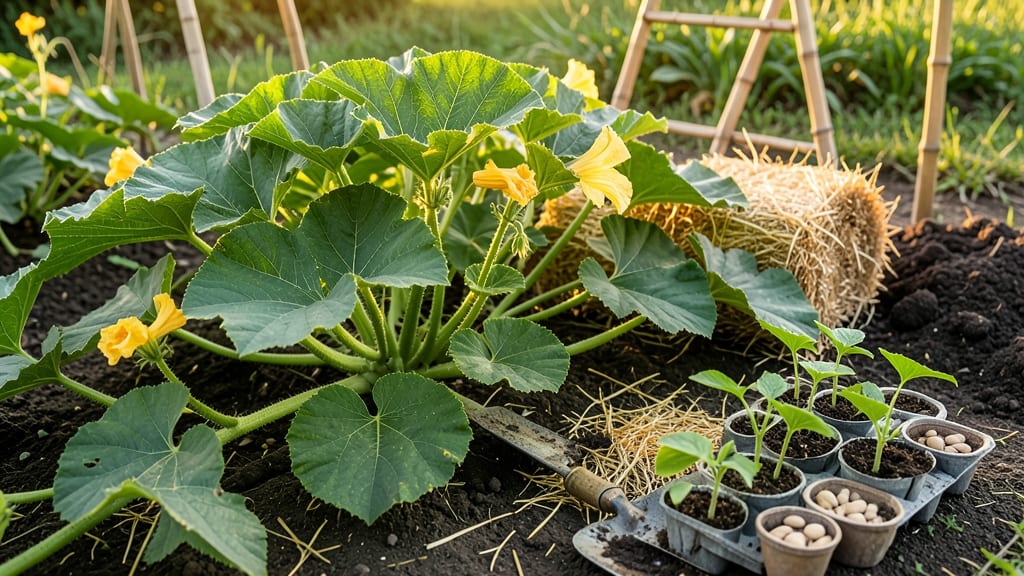
Timing your 🎃 pumpkin planting in Seattle wrong could mean the difference between a bountiful harvest and a sad, wilted vine—especially when cool summers and unpredictable rain play spoilsport.
With Seattle's USDA Zone 8a climate, you've got just 165 frost-free days to work with, making those mid-May to early June plantings critical for success.
Most gardeners here make one big mistake: waiting too long to plant after the last frost date. But pumpkins need warm soil (at least 60°F) to germinate properly, and Seattle's chilly spring can delay that for weeks.
That's why I'll show you how to calculate your personal frost-free window—and why black plastic mulch might be your secret weapon for faster soil warming.
What you might not realize is how Seattle's microclimates throw off standard planting advice. Urban areas like West Seattle can be 5°F warmer than Eastside neighborhoods, while Puget Sound's coastal breezes can chill your pumpkins faster.
I'll break down how to adjust your planting schedule based on where you live in the city.
Ready to grow vines that spread wider than your car's length and pumpkins ready for harvest by October? Let's dive into the exact steps—from soil prep to variety selection—that will give you the best shot at a thriving pumpkin patch, even with Seattle's quirky weather patterns.
Seattle’s ideal pumpkin planting timeline: frost dates & heat requirements
Seattle’s cool, damp springs and unpredictable frosts make timing critical for pumpkin success. Unlike warmer climates, pumpkins need soil temperatures above 70°F to thrive—and Seattle’s average last frost date is March 15, but actual warmth arrives much later.
I’ve planted pumpkins for years here, and the difference between a bountiful harvest and a failed crop often comes down to these two factors: frost-free windows and soil heat.
Most Seattle gardeners aim to plant pumpkins between mid-May and early June, but this varies by microclimate. The Puget Sound stays cooler longer, while areas like Sammamish or Carnation warm up faster.
I’ll show you how to calculate your personal frost-free window using USDA Zone 8a/b data—and why soil temperature matters more than air temperature.
🌱 Key Insight: Pumpkin seeds won’t germinate below 60°F, and vines struggle to grow below 70°F. Seattle’s 165 frost-free days (March 15–November 15) leave little room for error, so choosing the right planting window is non-negotiable.
⚠️ Visual Element: Below is your Seattle Pumpkin Planting Timeline—a summary of critical dates, soil needs, and action steps to avoid common mistakes.
| Stage | Action | Seattle Timeline | Soil Temp Requirement |
|---|---|---|---|
| Prep Soil | Test pH (6.0–6.8), add compost | Early April | 50°F+ (for prep) |
| Direct Sow | Plant seeds 1" deep, 2–3 seeds per hill | Mid-May to early June | 70°F+ (for germination) |
| Transplant (if started indoors) | After last frost, harden off seedlings | Late May | 60°F+ (minimum) |
| Vine Establishment | Water deeply, mulch to retain heat | June–July | 75°F+ (optimal) |
| Flowering/Fruiting | Hand-pollinate if needed, fertilize lightly | July–August | 80°F+ (for fruit set) |
| Harvest | Pick before first frost, cure for 10 days | Late September–October | N/A (harvest before frost) |
Here’s how to calculate your exact planting window: Start by checking Seattle’s historical frost data (via the National Weather Service or Old Farmer’s Almanac). Add 2–3 weeks to the average last frost date to account for late-season cold snaps.
For example, if your neighborhood’s last frost is April 20, aim to plant by May 10—but wait until soil hits 70°F.
I once planted ‘Sugar Pie’ pumpkins in early May, only for a late frost to kill the seedlings. The lesson? Monitor soil temps daily and use black plastic mulch to raise temperatures by 5–10°F.
This trick has saved my crops in cooler Seattle summers when air temps hover around 75°F but soil stays chilly.
Another critical factor is daylight length. Pumpkins need 12+ hours of daylight to set fruit, which Seattle hits by late June. If you plant too late (after June 15), your pumpkins may bolt (flower too early) or produce small, underdeveloped fruit.
I’ve had success with early June plantings of fast-maturing varieties like ‘Jack Be Little’ (75-day harvest).
For indoor starts, begin seeds 4–6 weeks before your target outdoor date. Use grow lights to supplement Seattle’s short spring days, and transplant seedlings when they have 2–3 true leaves.
Harden them off for 7–10 days before moving to the garden—this step alone can double your survival rate in Seattle’s windy, damp conditions.
Finally, watch for false springs. Seattle’s weather can swing from 70°F sunshine to 40°F rain in a week. I’ve seen pumpkin vines wilt overnight after a late-May frost. To protect your crop,
How Seattle’s microclimates change pumpkin planting zones (and what to do)
Seattle’s geography creates distinct microclimates that can shift your pumpkin planting window by weeks. The Puget Sound stays cooler longer, while the Eastside warms up faster—meaning your neighbor’s perfect timing might fail in your yard. Understanding these zones helps you adjust planting dates and protect young vines from unexpected chills.
Urban areas like Ballard or Fremont often experience delayed soil warming due to concrete and shade. Rural spots near Lake Washington or Snoqualmie Pass foothills may see earlier frost risks.
Even a 5-mile difference can mean 10–14 days of planting time gained or lost. Use these adjustments to maximize your growing season.
| Microclimate | Planting Window | Key Risks | Solution |
|---|---|---|---|
| Puget Sound (West Seattle, Ballard) | Late May to early June | Cooler soils, late frosts | Use black plastic mulch; start seeds indoors 4 weeks earlier |
| Eastside (Bellevue, Kirkland) | Mid-May to late May | Wind exposure, rapid temperature swings | Plant near windbreaks; choose compact varieties |
| Urban Gardens (Pike Place, Capitol Hill) | Early June | Limited sun, heat islands | Prioritize south-facing plots; use reflective mulch |
| Rural Areas (Snoqualmie, Carnation) | Late April to mid-May | Early frosts, soil drainage issues | Test soil temperature; plant on slopes for warmth |
Wind is another microclimate wild card in Seattle. Coastal areas near Shilshole Bay or Alki Beach can experience gusts up to 20 mph, which stunts young pumpkin vines.
If your garden is exposed, plant near fences or shrubs to create a windbreak. Alternatively, choose bush varieties like 'Jack Be Little', which stay compact and resilient.
For Puget Sound gardens, where humidity lingers, space vines 4–5 feet apart to prevent powdery mildew. In drier Eastside microclimates, mulch heavily to retain moisture.
Pro tip: Monitor your local weather station (like NOAA’s Seattle data) for 10-day forecasts—this helps time planting around heatwaves that can boost soil temps faster.
If you’re in a transition zone (e.g., Green Lake or Wallingfordplanting later. A 5-day delay in mid-May can mean the difference between healthy vines and frost-damaged seedlings.
For extra insurance, cover seedlings with frost cloth until they’re 6 inches tall—this buys you 2–3 weeks of protection.
Remember: Seattle’s microclimates aren’t static. A La Niña year might push frosts later, while El Niño could bring earlier warmth. Track your garden’s performance each year and adjust your planting calendar accordingly. With these tweaks, you’ll turn Seattle’s quirks into pumpkin-growing advantages.