
Plants
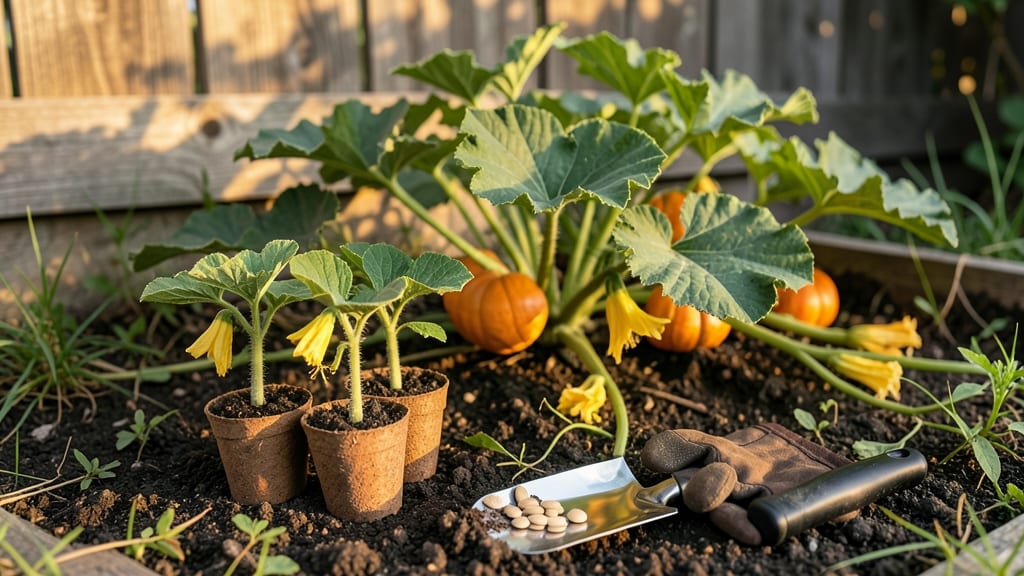
Timing is everything when it comes to growing pumpkins in Zone 5b—plant too early, and frost will nip those delicate seedlings before they even get started. The key to a bountiful harvest lies in understanding the exact window when soil warms and danger of frost passes.
Most gardeners in Zone 5b wait until mid-May to early June to plant pumpkins after the last frost date, but there’s more to it than just the calendar.
Soil temperature needs to reach at least 60°F for seeds to sprout properly, and cooler mornings can still pose risks to young vines.
Whether you're starting seeds indoors or sowing directly, I’ll walk you through the best strategies to time your planting perfectly. From hardening off seedlings to adjusting for late varieties, these tips will help you avoid common mistakes that lead to poor germination or stunted growth.
Ready to grow pumpkins that thrive? Let’s dive into the precise steps to ensure your vines spread strong and your harvest delivers healthy, jack-o’-lantern-worthy fruits by fall.
Best planting dates for pumpkins in Zone 5b: soil temps, frost risks & hardening off
Timing is everything when planting pumpkins in Zone 5b. The last frost date (typically mid-May) signals the start of your window, but soil temperature is the real game-changer. Pumpkin seeds need warm soil (60°F or above) to sprout—cold soil delays germination or causes rot.
If you plant too early, frost will kill tender seedlings, while planting too late risks stunted growth before the first frost in mid-October.
For Zone 5b gardeners, the ideal planting window is mid-May to early June, after the last frost and when soil warms up. This gives pumpkins 100-120 frost-free days to mature.
If you’re growing fast-maturing varieties (like 'Jack Be Little'), you can push the window slightly later, but long-season types (like 'Atlantic Giant') need that early start.
Here’s the critical timeline for Zone 5b:
| Stage | Action | Zone 5b Timeline |
|---|---|---|
| Soil Prep | Test soil pH (6.0-6.8), add compost | Early April |
| Direct Sow | Plant seeds 1" deep, 2-4" apart | Mid-May to early June |
| Hardening Off | Acclimate starts to outdoor temps | Late April (if starting indoors) |
| Transplant | Move seedlings 2-3 ft apart | Early June |
| Harvest | Pick when rind is hard | Late September to October |
If you’re starting pumpkin seedlings indoors, begin them 4-6 weeks before the last frost (around early April in Zone 5b). Use biodegradable pots to avoid transplant shock, and harden them off for 7-10 days before moving outdoors.
Place seedlings in the garden after all danger of frost has passed, even if the soil isn’t fully warm yet—just cover them with floating row covers if nights dip below 50°F.
For direct sowing (the easiest method), wait until the soil reaches 60°F—use a soil thermometer to check. In Zone 5b, this usually aligns with mid-May, but microclimates matter.
If your garden sits in a sunny, sheltered spot, soil warms faster. Conversely, shady or low-lying areas may need black plastic mulch to speed up warming.
Pro tip: Plant fast-maturing varieties slightly later (early June) to avoid powdery mildew, which thrives in cool, wet conditions. Long-season types need that early start to avoid frost damage before harvest. Always check your local frost dates—they can vary by 1-2 weeks even within Zone 5b.
One common mistake? Ignoring soil temperature and planting too early. Cold soil causes poor germination and weak seedlings. Invest in a $10 soil thermometer—it’s worth it for a bountiful pumpkin harvest. If you’re unsure, err on the side of planting later rather than risking frost damage.
Finally, mulch heavily after planting to keep soil warm and retain moisture. Straw or shredded leaves work well, and they also suppress weeds. In Zone 5b, where summers can be hot and dry, mulch is non-negotiable for healthy vines and plump pumpkins.
With the right timing and soil prep, your Zone 5b pumpkins will thrive—just imagine those giant orange gourds ready for carving by Halloween! 🎃
Pumpkin variety planting schedule: fast-growing vs. long-season types in Zone 5b
Not all pumpkins mature at the same pace, and in Zone 5b, timing your plantings to match each variety’s days to maturity is key to avoiding frost damage or missed harvests.
Fast varieties like 'Jack Be Little' (55 days) can handle late starts, while giants like 'Atlantic Giant' (120+ days) need an early jumpstart to reach their full potential.
Staggered plantings are your secret weapon—plant quick-maturing types in early June for a late-summer harvest, while long-season varieties should go in by mid-May. This strategy extends your harvest window and reduces the risk of losing your entire crop to an early frost.
Here’s how to align your pumpkin varieties with Zone 5b’s 160-day frost-free season:
| Variety | Days to Maturity | Best Planting Window (Zone 5b) | Harvest Window | Notes |
|---|---|---|---|---|
| Jack Be Little | 55 days | Late May–early June | Late July–early August | Fastest variety; great for late starts |
| Small Sugar | 75–80 days | Mid-May–early June | Mid-August–early September | Compact vines; ideal for small gardens |
| Howden | 90–100 days | Mid-May | Late August–September | Classic carving pumpkin; medium-sized |
| Atlantic Giant | 120+ days | Mid-April (starts indoors) or early May (direct sow) | Late September–October | Needs early start; frost-sensitive |
| Cinderella | 100–110 days | Early May | Late August–September | White pumpkin; great for pies |
For succession planting, sow a second batch of fast-maturing varieties in early July to enjoy a second harvest before the first frost. This works especially well for 'Jack Be Little' or 'Small Sugar', which can mature in time for Halloween or Thanksgiving.
Spacing out plantings also reduces disease pressure—crowded vines invite powdery mildew and blight. Aim for 2–3 feet between hills and give vines 10–20 feet of space to sprawl. Use black plastic mulch to warm soil faster and deter weeds, giving your pumpkins a head start.
Pro tip: If you’re growing giant varieties, start seeds indoors 4–6 weeks before your last frost date. Transplant seedlings outdoors only after soil reaches 60°F and nighttime temps stay above 50°F—this hardens them off and prevents shock.