
Plants
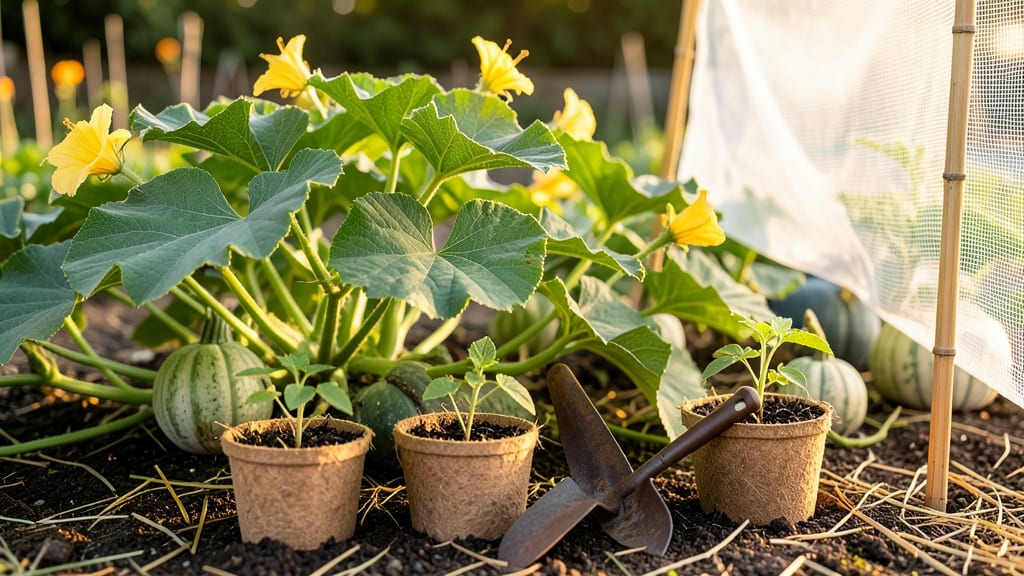
Optimal pumpkin planting dates in Zone 6 based on soil temperature
Pumpkins thrive in Zone 6 when planted after the last frost and when soil temperatures reach at least 60°F. This usually falls between mid-May and early June, but exact timing depends on your specific subregion (6a vs. 6b) and microclimates.
For example, areas like Chicago may have earlier frost dates than Washington, D.C., so adjust accordingly.
Soil temperature is more critical than air temperature for pumpkin seeds. A soil thermometer helps track progress—aim for 50°F minimum for germination, but 60°F+ ensures faster growth. Cold, wet soil can lead to rot or poor germination, even if air temperatures seem ideal.
🌱
Pumpkins need a long growing season—typically 85–120 days to maturity—so planting too late risks immature harvests before the first frost (mid-to-late October in Zone 6). For example, if you plant Howden pumpkins in late June, they’ll need until September–October to mature, cutting it close to frost.
Use black plastic mulch to warm soil faster and extend the season by 1–2 weeks. This is especially helpful in Zone 6a, where frosts linger longer. Lay the mulch 2–3 weeks before planting to maximize soil temperature gains.
If your area has unpredictable frost patterns, opt for fast-maturing varieties (e.g., Cinderella at 75 days) or start seeds indoors 2–3 weeks before the last frost for a head start. Transplant seedlings outdoors only after soil warms to 60°F+ to avoid shock.
🌿
For northern Zone 6 (e.g., Minnesota, Wisconsin), prioritize early-maturing varieties and use row covers to protect young plants. In southern Zone 6 (e.g., Virginia, North Carolina), you can afford slightly later plantings (early June) for larger varieties, as the growing season stretches longer.
Always monitor local frost forecasts and calculate your frost-free days (typically 165 days in Zone 6). Subtract your pumpkin’s days to maturity from this number to determine your latest safe planting date. For example, a 100-day variety planted by July 15 risks frost damage.
How to adjust planting time for pumpkin varieties in Zone 6
Not all pumpkins mature at the same pace, which means your planting strategy should match your variety. Fast-maturing types like 'Jack Be Little' (60-75 days) can handle a later start, while slower varieties like 'Howden' (100+ days) need an earlier jumpstart.
Understanding these differences lets you stretch your growing season and maximize your harvest.
For direct-sowing outdoors, aim to plant seeds when soil temperatures consistently reach 60°F or higher. In Zone 6, this typically falls between mid-May and early June, but cooler microclimates (like shaded areas) may need a 1-2 week delay.
If you're using starter plants, transplant them after the last frost date—usually mid-to-late May—but avoid setting them out too early, as cold soil can stunt root growth.
🌱 Pumpkin Variety Planting Guide for Zone 6
| Variety Type | Days to Maturity | Best Planting Method | Zone 6 Planting Window |
|---|---|---|---|
| Fast-Maturing (Summer Squash) | 60-75 days | Direct-sow or starter | Late May–early June |
| Medium-Maturing (Pie Pumpkins) | 85-95 days | Starter preferred | Mid-May–late May |
| Slow-Maturing (Winter Squash) | 100+ days | Start indoors early | Early April (indoors) → Transplant late May |
💡 Pro Tip: Use black plastic mulch to warm soil faster and extend the planting window by 1-2 weeks.
If you're growing slow-maturing varieties, start seeds indoors 4-6 weeks before your last frost date (early April in Zone 6). Use biodegradable pots to avoid transplant shock when moving them outdoors.
For fast-maturing types, you can often get away with direct-sowing, but always monitor soil temps—pumpkin seeds won’t germinate well below 50°F.
To extend your growing season, use row covers or floating row covers to protect seedlings from late frosts. These can raise soil temperatures by 5-10°F, giving your pumpkins a head start.
Remove covers once vines are established (after 3-4 weeks) to prevent overheating. For late-season varieties, consider using cold frames to shelter young plants until soil warms up.
Spacing is another critical factor for Zone 6 gardeners. Vining pumpkins need 4-6 feet between mounds, while bush varieties (like 'Sugar Pie') can be spaced 3-4 feet apart.
Overcrowding leads to disease pressure and smaller fruits, so plan your layout carefully. If space is tight, opt for compact varieties like 'Minnesota Midget' or 'Waltham Butternut'.
Finally, don’t forget to harden off starter plants before transplanting. Acclimate them to outdoor conditions over 7-10 days by gradually increasing their exposure to sunlight and wind. This simple step can boost survival rates by 30-50% and set your pumpkins up for a stronger start.
With the right timing and variety, you’ll be carving—or baking—your own pumpkins by October! 🎃