
Plants
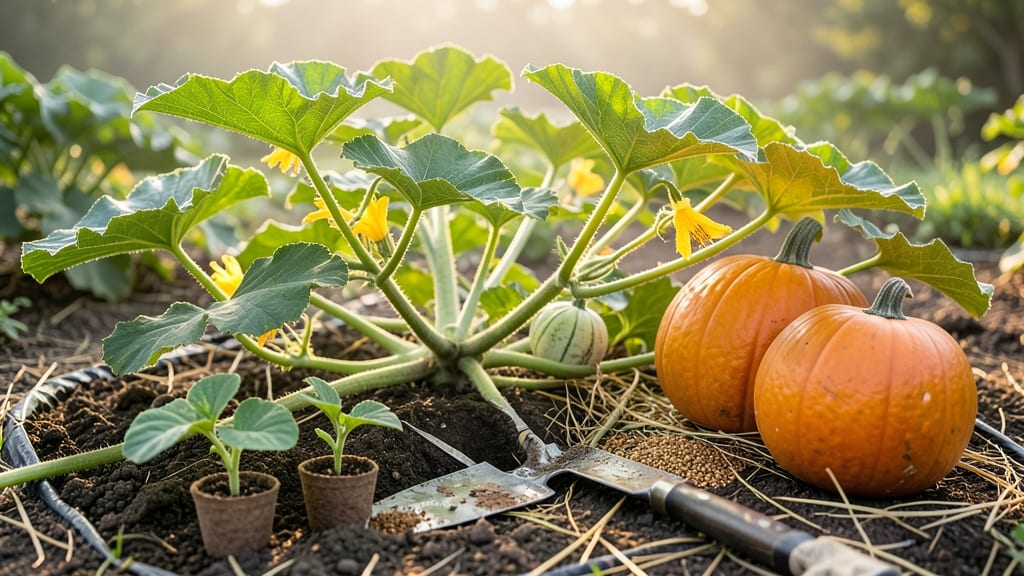
Optimal pumpkin planting dates in Zone 9: soil temps & frost risks
Zone 9’s frost-free climate means you can grow pumpkins year-round, but soil temperature and seasonal heat dictate the best planting windows. Unlike colder zones, you’ll avoid frost damage, but heat stress can stunt growth if planted too early.
My ideal strategy? Focus on late winter to early spring for summer harvests, with adjustments for fall plantings.
Pumpkin seeds need soil temps of 70°F (21°C) to germinate reliably. In Zone 9, this typically aligns with March to early April, but coastal areas like San Diego may start as early as February.
Desert regions like Phoenix often wait until mid-April to avoid extreme daytime heat. Always check soil temps with a soil thermometer—this simple tool prevents costly mistakes.
Here’s the key: Zone 9’s long growing season lets you plant twice—once for summer squash (harvest in 75-90 days) and again for winter storage varieties (harvest in 100-120 days).
Summer plantings go in March-April, while fall plantings start July-August for late-season harvests. The trade-off? Fall plantings risk bolting (premature flowering) if days shorten too quickly.
| Planting Window | Soil Temp | Harvest Time | Best For |
|---|---|---|---|
| Late February - Early March | 65-70°F (18-21°C) | July - August | Summer squash, bush varieties |
| Mid-March - Early April | 70-75°F (21-24°C) | September - October | Winter storage pumpkins |
| July - August | 75-80°F (24-27°C) | October - November | Fall harvest, late-season varieties |
🌱 Pro Tip: Use black plastic mulch to warm soil faster in cooler months.
If you’re growing heirloom or giant varieties like Atlantic Giant, start seeds indoors 6-8 weeks before transplanting (around January). These need extra time to establish before summer’s peak heat.
For bush varieties (like Jack Be Little), direct sow after soil warms—no need for indoor starts. My rule? Smaller varieties = faster growth = earlier planting.
Zone 9’s humidity variations also matter. Coastal areas (e.g., Los Angeles) benefit from morning planting to reduce fungal risks, while desert areas (e.g., Tucson) thrive with evening transplanting to avoid scorching. Always water deeply before and after planting—this helps roots establish in 1-2 weeks, reducing transplant shock.
Watch out for heat stress in summer plantings. If daytime temps exceed 95°F (35°C), vines may wilts or produce blossom-end rot. My solution? Provide afternoon shade cloth (30-50% shade) during peak heat.
This keeps vines healthy while maintaining fruit development. Pair this with drip irrigation to keep foliage dry and prevent disease.
For fall plantings, aim to harvest before October’s cooler nights (below 60°F/15°C). If vines struggle, extend the season with row covers or choose heat-tolerant varieties like Cinderella or Ghost Rider. These handle Zone 9’s late-summer heat better than traditional pumpkins.
Finally, succession planting works in Zone 9. Sow a new batch every 2-3 weeks from March to June for a continuous harvest. Just ensure each planting has 6+ hours of sun and well-draining soil—this combo guarantees vibrant, disease-free vines all season.
Timing your pumpkin plantings in Zone 9 boils down to soil temp, microclimate, and variety selection. Master these, and you’ll enjoy bountiful harvests from spring through fall—no frost worries in sight! 🎃
How to adjust planting for Zone 9 microclimates: coastal vs. desert
Zone 9 spans diverse climates—from humid coastal areas like San Diego to arid deserts in Phoenix—each requiring unique pumpkin planting strategies. Your location’s microclimate dictates everything from transplant timing to watering needs, so let’s break it down for your specific conditions.
In coastal Zone 9, cooler ocean breezes delay soil warming, while desert regions heat up rapidly. For coastal gardeners, aim to plant pumpkin seeds indoors by mid-February to give seedlings a head start before transplanting in early April.
Desert gardeners, however, can often start seeds directly outdoors as early as mid-March when soil temps hit 70°F (21°C).
🌱
🌊 Coastal Zone 9 (e.g., San Diego, Los Angeles)
✅ Pros
- Longer growing season
- Moderate temps reduce heat stress
- Higher humidity supports vine growth
❌ Cons
- Slower soil warming
- Risk of fungal diseases
- May need row covers for early planting
💡 Best Practices
- Start seeds indoors by mid-February
- Transplant after last coastal chill (early April)
- Use mulch to retain moisture
💧 Watering Tips
- Water deeply 3x/week
- Avoid overhead watering to prevent mildew
- Monitor for powdery mildew in humid conditions
In desert Zone 9 (Phoenix, Tucson), the key is speed—soil heats up fast, and pumpkins thrive in intense sun. Plant seeds directly outdoors by mid-March when nights stay above 55°F (13°C).
Use black plastic mulch to warm soil faster and reduce water evaporation. Desert pumpkins need daily watering during peak summer heat but tolerate drought better than coastal varieties.
For both climates, choose heat-tolerant varieties like ‘Cinderella’ (coastal) or ‘Jack Be Little’ (desert). Coastal gardeners should also consider fall planting (August-September) for winter squash varieties that mature before cooler weather arrives. Desert gardeners can extend harvests by planting every 2 weeks from March to May.
🌵