
Plants
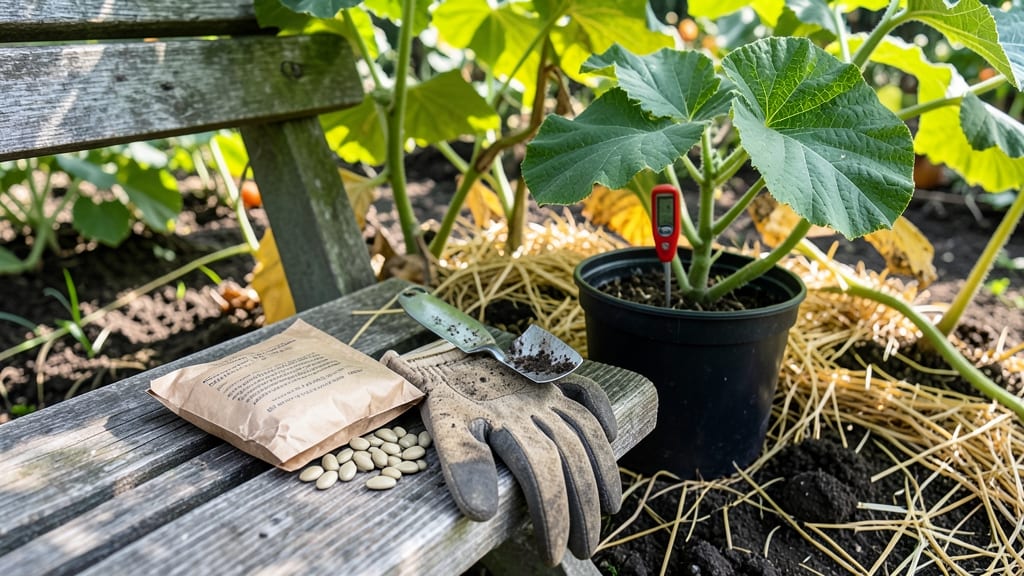
Timing when to plant pumpkin seeds in Wisconsin just right means the difference between a thriving 🎃 harvest and wasted effort. With frost dates shifting unpredictably, planting too early risks stunted vines, while waiting too long cuts your growing season short.
The sweet spot? Mid-May to early June, when soil finally warms past 60°F and the last frost has retreated.
Wisconsin’s 4b-6a climate demands precision—your pumpkins need 90-120 days to mature, and late varieties like ‘Howden’ can stretch into October. But even the best-laid plans can falter if you don’t account for regional microclimates, from Milwaukee’s lake-effect cooling to Madison’s inland warmth.
Let’s break down exactly when to plant for your corner of the state.
Beyond dates, soil prep and seed spacing are critical. Planting too shallow or too close together invites disease, while proper spacing (4-6 feet apart) gives those sprawling vines room to thrive.
I’ll share Wisconsin-specific tips to harden off seedlings, protect against late frosts, and even choose the best pumpkin varieties for your short growing season.
Ready to grow pumpkins that rival the state fair? You’ll learn how to read your soil, adjust for Wisconsin’s weather quirks, and ensure your 🎃 vines reach their full potential—without the guesswork. Let’s get those seeds in the ground the right way.
Wisconsin pumpkin planting timeline: frost dates and soil temperature guide
Getting your pumpkin seeds in the ground at the right time in Wisconsin is all about beating the last frost while ensuring your soil temperature is warm enough for germination.
With USDA zones 4b-6a, Wisconsin’s frost dates vary dramatically—from mid-May in southern regions like Madison to late May in northern areas like Green Bay.
Pumpkin seeds need soil temperatures of at least 60°F to sprout consistently, but they thrive best at 70°F+. In Wisconsin, this typically aligns with late May to early June, giving vines enough time to mature before the first frost in October.
Missing this window risks stunted growth or frost damage to young plants.
For gardeners in southern Wisconsin, where frost dates arrive earlier, you can push planting to early May if you use black plastic mulch to warm the soil. In northern Wisconsin, however, waiting until mid-June ensures your vines have enough time to mature before frost.
Use a soil thermometer to confirm temperatures—pumpkin seeds won’t germinate below 60°F, even if frost dates suggest it’s safe. If your soil is still cold, opt for fast-maturing varieties like ‘Jack Be Little’ (75 days) to maximize your harvest window.
Pro tip: Plant 3-4 seeds per hill, spacing hills 4-6 feet apart, to account for uneven germination. Thin to the strongest seedling once vines emerge to avoid competition. This spacing also gives sprawling vines room to thrive without crowding.
If you’re in a microclimate (like a south-facing slope or near a body of water), you can plant 1-2 weeks earlier than the regional average. These areas warm up faster in spring, giving your pumpkins a head start.
Always monitor local weather forecasts—unexpected late frosts can still catch gardeners off guard.
For container gardening, start seeds indoors 4-6 weeks before your last frost date and transplant seedlings after soil warms. Containers heat up faster than ground soil, so use them to extend your growing season in cooler regions like northern Wisconsin.
Remember: Pumpkins need 90-120 days to mature, so count backward from your first frost date to determine your planting window. In Wisconsin, this means aiming for mid-May to early June for most varieties. With the right timing, you’ll have plump, healthy pumpkins ready for fall harvests! 🎃
How to adjust planting for Wisconsin’s unpredictable weather: hardening off and frost protection tips
Wisconsin’s late springs and early frosts can throw off even the best-laid pumpkin planting plans. If you’re starting seeds indoors or dealing with a cool, damp May, you’ll need a strategy to toughen up seedlings and protect them from unexpected chilly snaps.
The key is hardening off properly and using simple frost protection methods to give your pumpkins the best possible start.
Most gardeners in Wisconsin begin seeds indoors 4-6 weeks before the average last frost date (typically mid-May). For example, if you’re in Madison, that means starting seeds around April 1st.
However, if you’re in Green Bay, where springs are cooler, you might start seeds a week or two earlier to account for slower soil warming.
Hardening off is a critical step that prepares seedlings for outdoor conditions. This process takes about 7-10 days and involves gradually exposing your seedlings to outdoor elements like wind, sun, and temperature fluctuations. Start by placing them outside in a shaded, sheltered spot for just a few hours on the first day, then slowly increase their time outside over the next week.
If a late frost threatens after you’ve transplanted seedlings, don’t panic. Use row covers or cloches to create a protective barrier. These low-cost tools can raise soil temperatures by 5-10°F and shield young plants from frost damage.
For extra protection, consider using black plastic mulch, which warms the soil faster and helps speed up vine growth.
Another trick is to plant fast-maturing varieties in containers or raised beds. These areas warm up quicker in the spring and can be moved to a sheltered location if frost is forecasted. Containers also make it easier to relocate seedlings if your garden spot isn’t ready yet.
For those in northern Wisconsin, where growing seasons are shorter, consider using hoop houses or cold frames. These structures can extend your planting window by 2-4 weeks, giving your pumpkins more time to mature before the first frost.
Even a simple DIY row cover made from old bedsheets can make a difference in a pinch.
Finally, always keep an eye on your local weather forecasts and soil temperature. Pumpkin seeds need soil that’s at least 70°F to germinate properly. If your soil is still cool, wait it out—rushing the process can lead to poor germination or weak seedlings that struggle in Wisconsin’s unpredictable climate.
🌱 Step-by-Step Guide to Hardening Off Pumpkin Seedlings
- Day 1-3: Place seedlings in a shaded, sheltered spot for 1-2 hours daily.
- Day 4-6: Increase exposure to 4-6 hours and introduce direct sunlight for short periods.
- Day 7-10: Leave seedlings outside all day, bringing them in at night if temperatures drop below 50°F.
- Final Check: Ensure seedlings are firm and upright before transplanting to the garden.