
Plants
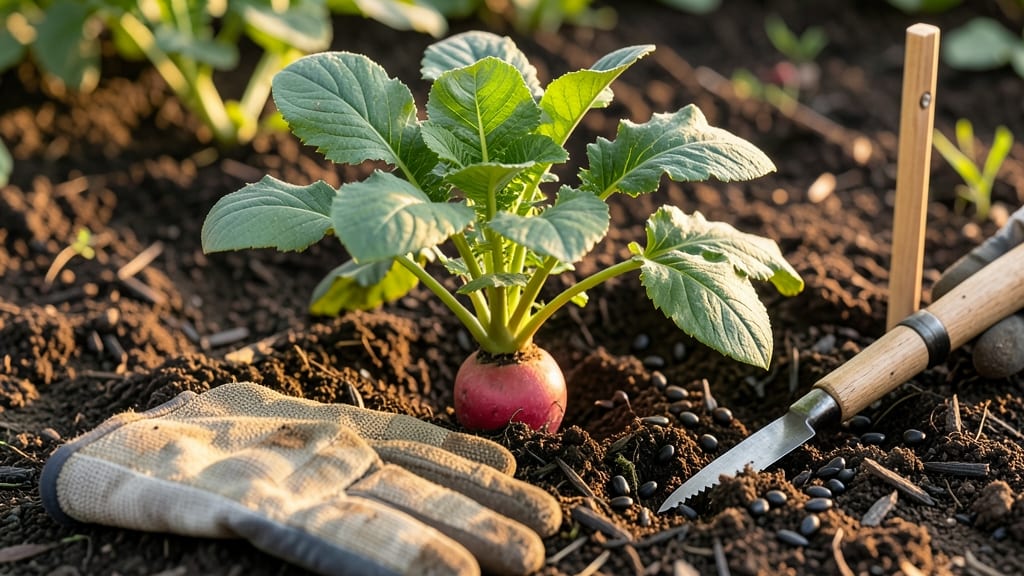
If you’ve ever planted 🥕 radishes in Kentucky only to watch them bolt into bitter flowers before you could even harvest, you’re not alone. The key to crisp, sweet radishes lies in planting them at the right time—before the heat or frost ruins your hard work.
Kentucky’s 6a-7a zones give gardeners two prime windows: late winter to early spring (March-April) and late summer to early fall (August-September). But timing isn’t just about the calendar—soil temperature and frost dates play a huge role in whether your radishes thrive or turn woody.
In this guide, I’ll break down the exact frost-free planting schedule for your zone, plus how to stretch your harvest season with fast-growing varieties and smart succession planting. No more wasted seeds or bitter radishes—just a steady supply of crunchy, fresh veggies straight from your garden.
Ready to grow radishes that actually taste good? Let’s get started with the perfect planting timeline for Kentucky’s climate.
Kentucky radish planting calendar by USDA hardiness zone: exact dates for spring & fall
Kentucky spans USDA zones 6a-7b, where timing is everything for radishes. These fast growers thrive in cool weather and bolt when temperatures climb above 75°F.
Missing the window means tough, pithy roots instead of crisp, sweet harvests. Let’s break down the exact planting dates for each zone to maximize your yield.
For spring planting, aim to sow seeds 4-6 weeks before your last frost date. In Kentucky, this typically falls between late February and early April, depending on your location.
For fall planting, start seeds 6-8 weeks before your first frost, usually mid-August to early September. These windows ensure your radishes mature before summer heat or winter frost ruins your crop.
Here’s how to adjust for your specific Kentucky zone:
Your soil temperature is just as critical as dates. Radish seeds need soil that’s at least 45°F to germinate. Use a soil thermometer to check—planting too early in cold soil can delay germination for weeks.
If your soil is still chilly, consider starting seeds indoors 2-3 weeks before your target outdoor date.
For direct sowing outdoors, scatter seeds ½ inch deep and 1 inch apart in rows spaced 12 inches apart. Thin seedlings to 2-3 inches apart once they sprout to prevent overcrowding.
This spacing gives roots room to grow without competing for nutrients, ensuring sweet, crisp radishes instead of stunted ones.
If you’re in a microclimate—like a sheltered valley or urban heat island—adjust your dates by 1-2 weeks. These areas may experience earlier last frosts or later warm-ups. Always monitor local weather forecasts and use frost-free date calculators from your county extension office for precision.
Pro tip: Succession plant every 2 weeks in spring and fall to enjoy a continuous harvest. This method works especially well in Kentucky’s short growing season and prevents bolting from heat stress.
Pair fast-maturing varieties like ‘Cherry Belle’ (25 days) with slower ones like ‘French Breakfast’ (60 days) for a staggered bounty.
Finally, avoid planting radishes in summer unless you’re using shade cloth or heat-tolerant varieties. Temperatures above 80°F cause radishes to bolt (flower prematurely), ruining their storage quality. Save summer planting for leafy greens or heat-loving crops like okra or sweet potatoes.
How to extend your Kentucky radish season: succession planting & heat-tolerant varieties
Kentucky’s summer heat can turn radishes bitter and woody, but with the right strategies, you can enjoy fresh harvests all season long. The key is succession planting—staggering your plantings every 2-3 weeks—to keep a steady supply of crisp radishes before the heat sets in.
This method works especially well for fast-maturing varieties like ‘Cherry Belle’ (25 days) or ‘Easter Egg’ (30 days), which can handle Kentucky’s 85°F+ temperatures better than slower growers.
For a fall harvest, start your last succession planting 6-8 weeks before your average first frost (typically mid-October in Kentucky). This ensures you’ll have time to harvest before cold weather slows growth.
In USDA Zone 6a (eastern Kentucky), aim for late August plantings, while Zone 7a (western Kentucky) can extend this to early September for a longer growing window.
🌱Pro Tip: Use shade cloth (30-50%) over young plants during peak afternoon heat (12 PM–4 PM) to prevent bolting. This simple trick can buy you 2-3 extra weeks of ideal growing conditions before switching to fall varieties like ‘French Breakfast’ or ‘Daikon’, which tolerate cooler temperatures better.
Another smart tactic is to interplant radishes with slower-growing crops like lettuce or carrots. Radishes mature in just 3-5 weeks, so they won’t outcompete your longer-season plants. For example, sow radishes between rows of broccoli or cabbage—they’ll be harvested long before the brassicas need the space.
This space-efficient method maximizes your garden’s productivity while keeping radishes out of the midday heat.
If you’re pushing the limits in late summer, opt for longer-day varieties like ‘Daikon’ radishes, which handle Kentucky’s extended daylight hours better. These varieties also store well in the fridge, so you can enjoy your harvest long after the growing season ends.
For a continuous supply, combine succession planting with container gardening—small pots on a patio or balcony can extend your season into early fall when ground temperatures drop.
🌿Remember: Radishes are cool-season crops, so their tolerance for heat is limited. If your plants start to bolt (shoot up flower stalks), it’s a sign they’re stressed by heat or drought.
At that point, harvest what you can and replant with a shade-tolerant variety like ‘White Icicle’ for a late-season crop.