
Plants
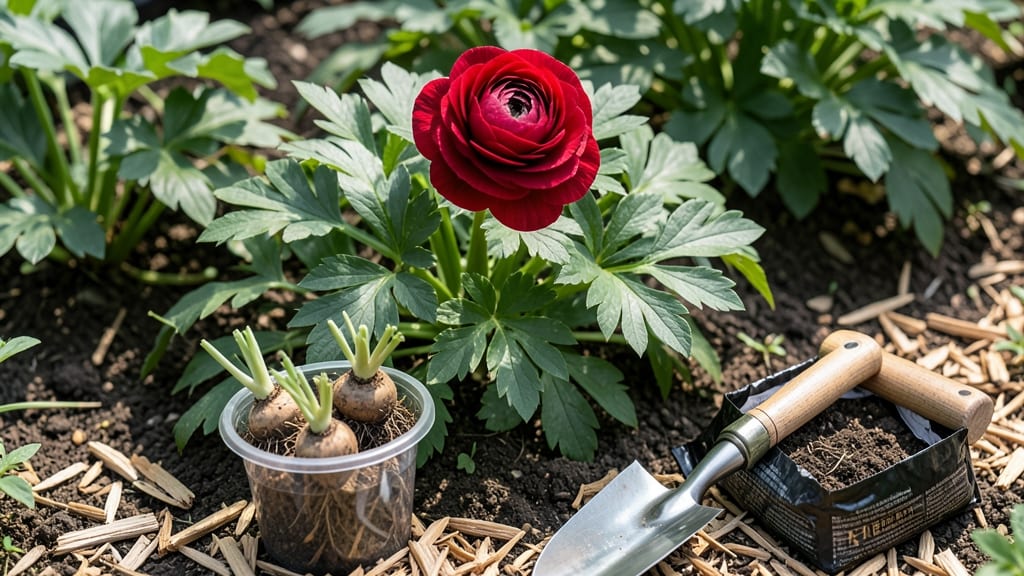
If you're dreaming of vibrant 🌸 ranunculus blooms in your Zone 9 garden but dread the summer heat, timing your planting could make all the difference.
Zone 9's unique climate means traditional schedules won't work - you need a strategic approach to beat the heat and give these delicate flowers the best chance to thrive.
The perfect window for planting ranunculus in Zone 9 is actually late fall, between late October and December. This timing allows the bulbs to establish roots before winter's mild chill, setting them up for stunning spring blooms before temperatures rise.
It's a game-changer for gardeners who've struggled with summer wilting in the past.
What makes this timing work so well? Ranunculus bulbs need a period of cool weather to develop properly, and Zone 9's winter provides that without the extreme cold of northern climates.
We'll show you exactly how to prepare your soil, choose the right location, and care for your plants through the critical months ahead.
Whether you're in Southern California or Phoenix, these insights will help you create a show-stopping display of ranunculus that lasts well into summer. Let's get your garden ready for the most colorful spring you've ever seen.
Optimal planting months for ranunculus in Zone 9: avoiding summer heat stress
Timing is everything when planting ranunculus in Zone 9, where summer temperatures can quickly turn your delicate bulbs into sad, wilted relics. Unlike cooler climates, Zone 9 gardeners must work with a narrow 4-6 week window to ensure blooms appear before the heat sets in.
The key is planting late fall to early winter, when soil temperatures drop below 65°F—this mimics their natural dormancy cycle.
Most gardeners in Zone 9 (think Southern California, Phoenix, or Las Vegas) should aim for October through December. This timeline lets the corms establish roots before winter rains arrive, while avoiding the scorching summer heat that can bake them before they even sprout.
Coastal areas with milder winters may extend this slightly into January, but inland desert regions should plant by mid-November at the latest.
Here’s the golden rule: Plant ranunculus corms 4-6 weeks before your average first frost date. In Zone 9, this typically lands in late October to December, but always check your local last frost date—even if it’s rare, frost can damage emerging shoots.
For example, Phoenix gardeners might plant as late as December 1st, while San Diego’s coastal microclimate allows for slightly earlier planting in October.
Why not plant in spring? Ranunculus corms need a cooling period to break dormancy, and Zone 9’s warm winters won’t provide that naturally. Without this chilling, you’ll end up with weak, leggy stems or no blooms at all.
Think of it like giving your ranunculus a winter vacation in the fridge—they need that cool-down to wake up properly.
Microclimates play a huge role in Zone 9. If you’re in a desert valley like the Coachella Valley, plant earlier (late October) to avoid the intense afternoon sun.
Meanwhile, coastal areas with marine layer influence (like Santa Barbara) can wait until November without stressing the bulbs. Always scout your garden’s hottest and coolest spots—shadier areas are ideal for late plantings.
One common mistake? Planting too shallow or too deep. Ranunculus corms need to be buried 3-4 inches deep, with the pointed end facing upward. Planting too shallow risks exposure to heat, while burying them too deep can delay sprouting until the heat arrives.
Use a soil thermometer to confirm temperatures are below 65°F at planting time—this is your best guarantee of success.
Pro tip: If you’re unsure about your local timing, pre-chill your corms for 6-8 weeks in the fridge (35-40°F) before planting. This mimics the natural winter chill and can jumpstart blooming by 2-3 weeks.
Just don’t let them sprout in the fridge—that’s a sign they’re ready for the ground!
🌱 Ranunculus Planting Timeline for Zone 9
| Stage | Action | Ideal Months | Soil Temp | |||||||||||||||||
|---|---|---|---|---|---|---|---|---|---|---|---|---|---|---|---|---|---|---|---|---|
| Pre-Chill (Optional) | Store corms in fridge (35-40°F) for 6-8 weeks | August-September | N/A | |||||||||||||||||
| Planting Window | Plant corms 3-4" deep, pointed end up | Late October - December | Below 65°F | |||||||||||||||||
| Root Establishment | Light watering, no fertilizer | November-January | 50-60°F | |||||||||||||||||
| Sprouting | Increase water, watch for shoots | January-February | 55-65°F | |||||||||||||||||
| Blooming | Deadhead spent blooms, fertilize lightly | March-May | 60-75°F | |||||||||||||||||
| Summer Dormancy | Reduce water, mulch to retain moisture |
Optimal planting months for ranunculus in Zone 9: avoiding summer heat stressIn Zone 9, where summer temperatures can soar past 90°F, planting ranunculus at the wrong time can turn your dream spring blooms into a sad, wilted memory. The key is to plant 4-6 weeks before your first frost, which in Zone 9 typically falls between December 1 and January 15. This timing ensures the bulbs establish roots before winter dormancy and bloom just as summer heat arrives. For most of Zone 9, the ideal planting window stretches from late October through December. If you're in a coastal area like San Diego, you might push planting into early January, but inland areas like Phoenix should aim for November to avoid extreme heat stress. The goal is to have your ranunculus corms rooted but dormant by summer, ready to burst into color when temperatures cool in spring. Here’s why timing matters: Ranunculus corms need 60-90 days of cool soil temperatures (below 60°F) to develop strong roots before blooming. Planting too early (like September) risks premature growth that gets fried by summer heat, while planting too late (after January) may delay blooms until late spring or even summer, when flowers struggle to thrive. 🌱
Ranunculus Planting Timeline for Zone 9
If you’re in a hot inland Zone 9 like the Coachella Valley, consider a shade strategy for newly planted corms. Use lightweight shade cloth (30-50%) over the planting area during the hottest months (June-August) to protect emerging shoots. This mimics the cooler microclimates found in coastal areas and gives your ranunculus a fighting chance against 100°F+ temperatures. For coastal Zone 9 gardeners, timing is slightly more flexible. You can plant as late as early January in areas like San Diego or Santa Barbara, where ocean breezes moderate temperatures. However, even here, aim to finish planting by mid-January to ensure blooms arrive before summer’s relentless sun. Pro tip: If you miss the ideal window, don’t despair! You can still plant ranunculus in Zone 9 as late as February, but expect delayed blooms and potentially shorter stems. The tradeoff might be worth it if you’re desperate for those papery, rose-like flowers—just be prepared to provide extra shade and consistent watering to compensate for the heat. |