
Plants
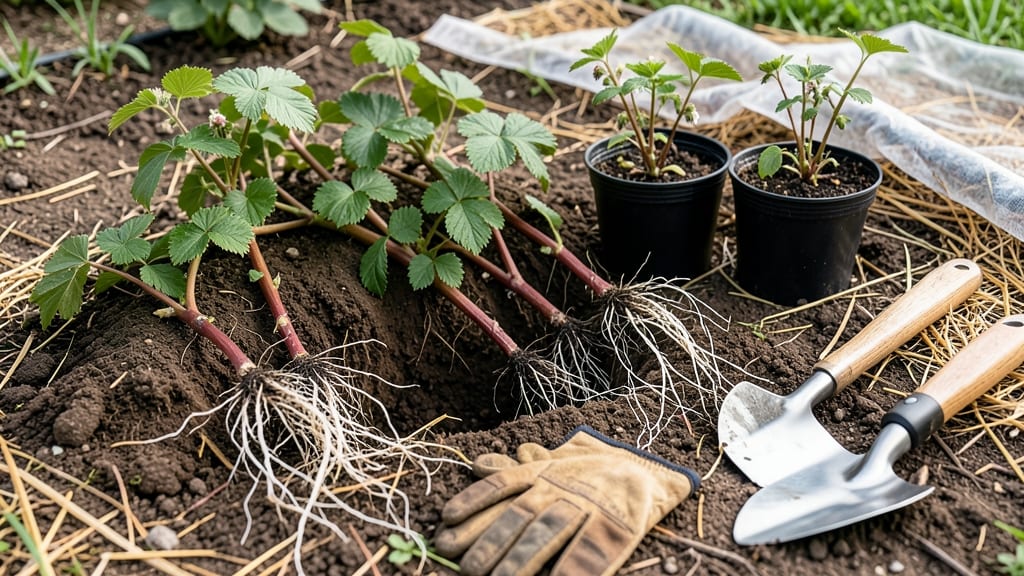
If you’ve ever wondered when to plant raspberries in Zone 5, timing isn’t just important—it’s the difference between a thriving 🍇 bush and one that barely survives the winter.
Zone 5’s unpredictable frosts mean planting too early or too late can leave your raspberries struggling to establish roots before the cold sets in.
But here’s the good news: with the right approach, you can give your raspberries the best shot at success. Whether you’re planting in early spring or late fall, understanding your local frost dates and soil conditions is the key to strong root growth and a bountiful harvest.
Let’s break down the best windows and what you need to know to set your plants up for success.
Spring planting gives raspberries a head start, but late fall can also work if you time it right—just 6-8 weeks before the first frost. We’ll cover how to prepare your soil, choose the right varieties for your climate, and even explore container gardening if your season feels too short.
Ready to get started?
By the end of this guide, you’ll know exactly when to plant raspberries in Zone 5, how to protect them from early or late frosts, and what to do after planting to ensure your bushes thrive. Let’s make sure your raspberries get off to the best possible start!
Best planting months for raspberries in Zone 5: balancing soil warmth and frost risk
In Zone 5, raspberries thrive when planted during two key windows: early spring (March–April) or late fall (October–November). These periods strike the perfect balance between soil warmth and frost risk, giving roots time to establish before winter’s chill sets in.
Planting too early risks cold-soaked soil, while waiting too long may leave plants vulnerable to early frosts.
Spring planting is the most popular choice because it aligns with soil temperatures above 40°F, encouraging faster root growth. However, late fall planting can also work if you choose hardy varieties like 'Nova' or 'Boyne' and protect them with mulch.
The key is timing—plant at least 4–6 weeks before the first frost to allow roots to harden.
Zone 5’s last frost date typically falls between mid-May and early June, depending on your specific location. For example, in Chicago (Zone 5b), the average last frost is May 15, while in Pittsburgh (Zone 6a), it’s closer to May 5. Use these dates as your guide to avoid planting too early in cold, wet soil.
If you’re unsure about your exact last frost date, check the USDA Plant Hardiness Zone Map or use a local frost calendar from your cooperative extension service. These resources provide hyper-local insights that can make or break your raspberry planting success.
Here’s the critical rule: Soil temperature matters more than air temperature. Raspberries need soil that’s at least 45°F for root growth. Use a soil thermometer to confirm—planting in cold soil can stunt roots and delay establishment.
If your soil is still chilly in early spring, hold off until it warms up.
Another common mistake? Planting bare-root raspberries too late in the season. These plants need time to recover from transplant shock before winter dormancy. Aim to plant bare-root canes in early spring (March–April) or early fall (September–October) to give them a fighting chance.
For container-grown raspberries, the window is slightly more flexible. You can plant them up to 6 weeks before the first frost, as containers warm up faster and allow for better root control.
However, containers also freeze more easily, so protect them with burlap wraps or move them to a sheltered spot in winter.
Now, let’s break down the best planting windows side by side to help you decide which approach works for your garden.
| Planting Window | Ideal Months | Soil Temp Requirement | Frost Risk | Best For |
|---|---|---|---|---|
| Early Spring | March–April | ≥45°F | Low (post-last frost) | Bare-root plants, in-ground |
| Late Spring | May (after frost) | ≥50°F | Moderate (early frosts possible) | Container plants, delayed starts |
| Early Fall | September–October | ≥40°F | High (first frost approaching) | Hardy varieties, mulched beds |
| Late Fall | November (before ground freezes) | ≥35°F | Very High | Emergency planting, containers |
Spring planting is ideal for most Zone 5 gardeners because it aligns with the natural growth cycle. However, late fall planting can be a smart move if you’re dealing with crowded garden beds or need to replace failed plants.
Just be sure to mulch heavily (4–6 inches of straw or leaves) to insulate roots from winter temperature swings.
One final tip: If you’re planting in northern Zone 5 (e.g., Minneapolis), err on the side of later spring planting to avoid soggy soil.
In southern Zone 5 (e.g., Nashville), you might even squeeze in a late summer planting (August) for fall-bearing varieties, but this is riskier due to heat stress.
Choose your window wisely, and your raspberries will reward you with vigorous canes and abundant fruit for years to come. 🍇
How to time raspberry planting for maximum root establishment before winter
Planting raspberries in Zone 5 isn’t just about picking a month—it’s about giving your canes a 60-day head start to establish roots before winter’s first frost. The key is to plant when soil temperatures hover around 50°F (10°C), ensuring roots grow actively but aren’t shocked by sudden cold snaps.
In my experience, this means targeting early spring (April) or early fall (October), but timing varies slightly depending on your specific Zone 5 sub-region.
For northern Zone 5 (e.g., Minneapolis, Detroit), aim for April 15–May 1 to avoid late frosts that can damage tender new shoots. Southern Zone 5 (e.g., Nashville, St. Louis) gardeners have a bit more flexibility, with March 15–April 15 being ideal.
Fall planting works too—just get canes in the ground 4–6 weeks before your first frost (typically by October 1–15 in most of Zone 5).
🌱