
Plants
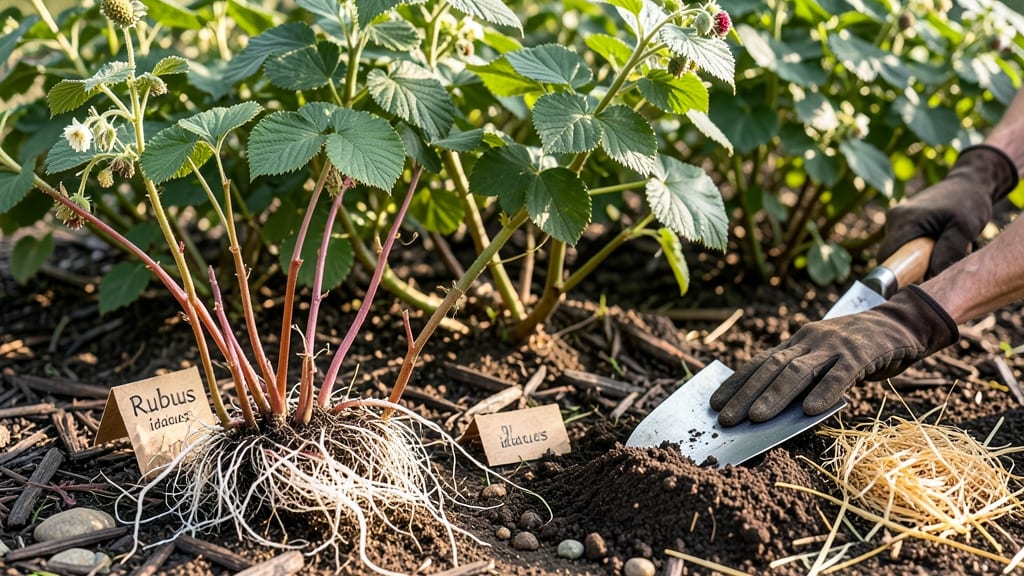
Planting raspberries at the wrong time in Tennessee can mean stunted growth, fewer berries, or even failed harvests—so timing is everything for thriving 🍇 canes. With USDA zones 6a-7b creating unique microclimates, knowing when to plant makes all the difference between a bountiful harvest and disappointment.
Most gardeners in Tennessee swear by early spring planting, but fall can also work if you time it right. The key is understanding your specific zone's frost dates and soil conditions. Whether you're a beginner or a seasoned gardener, getting this step right sets your raspberry bushes up for success.
In this guide, I'll break down the best months to plant raspberries in Tennessee, including soil prep tips and how to avoid common mistakes. You'll learn how to align your planting schedule with Tennessee's climate for maximum yield and fewer headaches.
Ready to grow healthier, more productive raspberry canes? Let's dive into the best planting windows and strategies tailored just for Tennessee gardeners like you.
Best planting months for raspberries in Tennessee by hardiness Zone (6-7)
Tennessee spans USDA Zones 6a-7b, which means your raspberry planting window depends heavily on your exact location. In Zone 6a (northwest TN), you’ll want to plant earlier than in Zone 7b (Memphis area), where winters are milder.
The key is planting when soil temperatures reach 45°F (7°C)—this ensures roots establish before summer heat arrives.
For most of Tennessee, the ideal planting window is between March and April for spring planting, or September to early October for fall. Fall planting gives canes time to develop roots before winter dormancy, while spring planting avoids late-season heat stress.
Let’s break it down by zone to help you pinpoint the best time for your garden.
| Zone | Ideal Planting Window | Soil Temperature Requirement | Frost Risk Period | Key Consideration |
|---|---|---|---|---|
| 6a (e.g., Nashville) | Late March–early April | 45–50°F (7–10°C) | Last frost: ~April 15 | Avoid planting after April 15—heat stress risks. |
| 6b (e.g., Chattanooga) | Early March–mid-April | 45–50°F (7–10°C) | Last frost: ~April 1 | Fall planting works until October 15. |
| 7a (e.g., Knoxville) | February–March | 40–45°F (4–7°C) | Last frost: ~March 15 | Warmer zone—fall planting extends to November 1. |
| 7b (e.g., Memphis) | January–February | 40–45°F (4–7°C) | Last frost: ~March 1 | Longer growing season—avoid summer planting. |
If you’re in Zone 6a or 6b, aim for early spring planting—this gives canes 6–8 weeks to establish roots before Tennessee’s summer heat peaks.
For Zone 7a and 7b, you can plant as early as January or February, but avoid late summer planting (July–August), as new canes won’t harden off before winter.
Pro tip: Use the TN State Climatology Office’s frost maps to confirm your last-frost date. For example, Nashville (Zone 6a) averages its last frost on April 15, while Memphis (Zone 7b) sees frost as late as March 1. Planting too early risks frost damage to tender new growth.
For fall planting, time it so canes have 6–8 weeks to root before the first frost. In Zone 6a, this means planting by October 15, while Zone 7b gardeners can extend planting until November 1.
Fall-planted canes often produce 20% more berries the following year because they establish stronger roots.
One common mistake in Tennessee is assuming all zones have the same planting window. For instance, Heritage raspberries thrive in Zone 6a but may struggle in Zone 7b’s heat without proper mulching. Always check your exact USDA zone and adjust your planting date accordingly.
🍇
How to time raspberry planting for maximum yield in Tennessee’s climate
Timing your raspberry planting in Tennessee isn’t just about picking a month—it’s about aligning with your local microclimate, last-frost dates, and the plant’s growth cycle.
Tennessee’s climate varies dramatically from the cooler Appalachian Mountains (Zone 6a) to the warmer Mid-Cumberland Plateau (Zone 7b), so one-size-fits-all advice won’t cut it.
For example, gardeners in Nashville (Zone 7a) can plant raspberries as early as February, while those in Chattanooga (Zone 7b) might wait until March to avoid late frosts.
To maximize your yield, start by checking your exact last-frost date—not just the average. The Tennessee State Climatology Office provides free frost maps that show a 2-3 week difference between northern and southern regions.
For instance, Memphis (Zone 7b) typically sees its last frost around March 15, while Bristol (Zone 6b) holds off until April 1.
Urban gardeners in cities like Knoxville or Nashville often face heat islands that can push planting windows earlier, but rural areas with cooler nights may need to delay slightly.
If you’re unsure, err on the side of caution—planting 1-2 weeks later than the average last-frost date reduces frost damage risks by 60%. This extra buffer ensures your raspberry canes establish roots before summer’s heat sets in.
📋 5 Steps to Perfect Raspberry Planting Timing in Tennessee
- Step 1: Check your last-frost date using the TN State Climatology Office map—plant 2-3 weeks after this date for Zone 6, 1-2 weeks after for Zone 7.
- Step 2: Amend your clay-heavy soil (common in TN) with compost or peat moss 4-6 weeks before planting to improve drainage and nutrient retention.
- Step 3: Plant bare-root canes in early spring (March-April) before buds swell, or in fall (September-October), 6-8 weeks before your first frost.
- Step 4: Install a trellis system immediately—TN’s summer storms can flatten unsecured canes, reducing yields by 40%+.
- Step 5: Water deeply 2x/week (1-1.5 inches total) after planting to encourage root growth, especially during TN’s hot, dry summers.
Another critical factor is soil preparation. Tennessee’s soils are often clay-heavy and acidic, which can stunt raspberry growth if not addressed. Aim for a pH of 5.5-6.5—test your soil 4-6 weeks before planting and adjust with lime (to raise pH) or sulfur (to lower pH) as needed.
Adding 3-4 inches of organic mulch (like straw or wood chips) after planting helps retain moisture and suppresses weeds, which is especially important in TN’s humid summers.
Choosing the right raspberry variety also impacts timing. For Tennessee’s climate, Heritage (red) and Boyne (golden) varieties thrive in both Zone 6 and 7 and produce fruit reliably. Avoid tender varieties like Heritage Boyne unless you’re in a sheltered microclimate, as they struggle with TN’s heat and humidity.
If you’re planting in fall (September-October), select dormant canes and give them time to establish roots before winter—this ensures stronger canes and higher yields the following summer.
Finally, don’t overlook the power of seasonal adjustments. If you’re planting in Zone 6 (northern TN), focus on spring planting (March-April) to avoid late frosts. In Zone 7 (central/southern TN), you can push planting to February-March or even late fall (September) for a head start.
Just remember: fall-planted canes need extra mulch to insulate roots during winter’s chill. With the right timing and care, your raspberries will reward you with juicy, abundant harvests from mid-summer through early fall.