
Plants
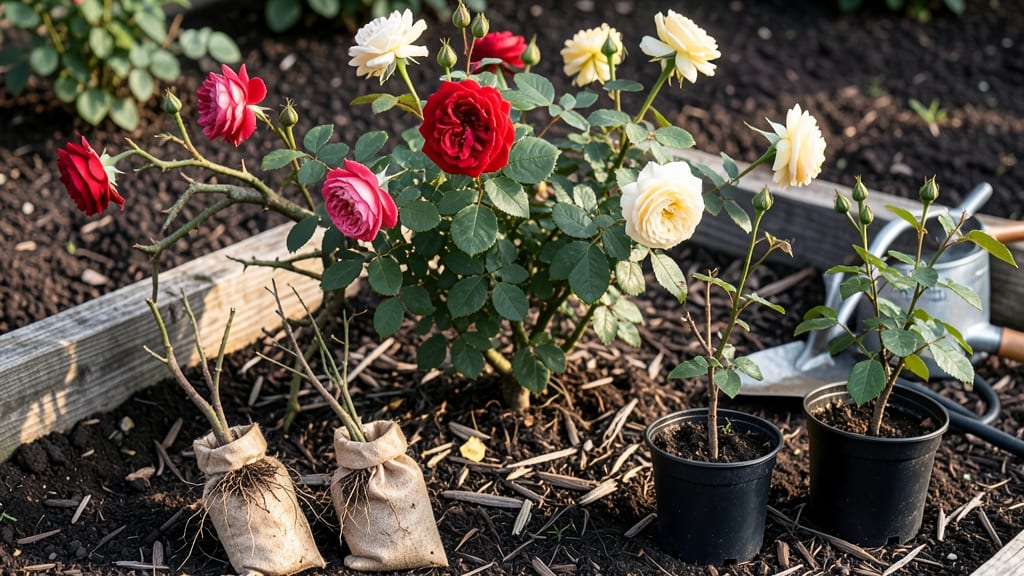
Timing your rose bush planting in Texas isn’t just about picking a month—it’s about outsmarting the 8a-10b climate zones that can turn your 🌹 dreams into wilting disappointments.
Whether you’re in North Texas where frosts linger into March or South Texas where heat arrives early, planting too soon or too late means battling stress, stunted growth, or even losing your plants before they bloom.
I’ve learned the hard way that fall (October-November) and early spring (February-March) are your golden windows—but only if you account for local frost dates and soil prep. Skip these steps, and you’ll end up with roses that either shrivel in summer’s relentless sun or freeze before they take root.
Let’s break down exactly when to plant for your specific corner of Texas and how to give your roses the best shot at thriving.
You’ll discover which heat-resistant varieties handle Texas’ extremes like champions and how to prep your soil for maximum drainage—because clay-heavy Texas dirt is a rose’s worst enemy. From container planting hacks to post-planting care, I’ll share the secrets I’ve picked up after years of growing roses in this unforgiving climate.
Ready to turn your yard into a year-round rose paradise? Let’s dive into the precise planting timeline, proven care tips, and the top mistakes that even experienced gardeners make. Your Texas rose garden starts here.
Best planting times for rose bushes in Texas by climate Zone
Texas stretches across 11 USDA hardiness zones (8a-10b), creating wildly different planting conditions from the Panhandle’s chilly winters to the Rio Grande Valley’s year-round warmth. The key to success?
Planting when soil temps hover between 60°F-70°F and avoiding peak summer heat (above 95°F), which stresses young roots. Let’s break down the ideal windows for each zone.
For North Texas (Zones 7b-8b), like Dallas or Fort Worth, your best bet is late October to mid-November—cool enough to avoid transplant shock but warm enough for root establishment before winter.
If you miss that window, early February works too, just 6 weeks before last frost (typically around February 15).
In Central Texas (Zones 8a-8b), including Austin and San Antonio, aim for mid-October to early December. The Hill Country’s microclimates can add complexity—elevated areas may freeze earlier, so monitor local frost dates.
Spring planting here starts February 15-March 15, but avoid late March when 100°F+ heatwaves can scorch new growth.
South Texas gardeners in Zones 9a-10b (Houston, Corpus Christi, Brownsville) enjoy the most flexibility—you can plant year-round except June through August when soil temps exceed 95°F. For in-ground roses, September-October is ideal, while container-grown roses can go in anytime with proper shade.
In Zone 10b (Rio Grande Valley), frost is rare, but hurricane season (June-November) demands extra soil prep to prevent erosion.
Pro tip: Use Texas A&M AgriLife Extension’s frost maps to pinpoint your exact last-frost date. For example, El Paso (Zone 7b) averages its last frost on March 1, while Galveston (Zone 9a) rarely sees frost.
Adjust your timeline accordingly—6-8 weeks before last frost is your sweet spot for spring planting.
Container roses offer a 30-day planting window advantage in hot zones. Unlike in-ground plants, they’re not bound by soil temperature, so you can pop them into pots throughout summer (just keep them shaded until roots establish).
This flexibility is why ‘Knock Out’ roses thrive in South Texas containers—they handle the heat and humidity better than traditional hybrids.
One critical mistake I’ve seen Texas gardeners make? Planting bare-root roses in summer. These delicate roots dry out in 110°F shade, so stick to potted roses if you’re planting mid-year. For in-ground, late fall is your safest bet—roots grow slowly in cool weather, reducing transplant shock.
For North Texas gardeners, consider “semi-hardy” varieties like ‘Dr. Huey’ or ‘The Fairy’, which tolerate 10°F dips better than tropical roses. In South Texas, prioritize disease-resistant varieties like ‘Earth Song’ to combat humidity-fueled black spot.
Always amend clay-heavy Texas soil with compost or sand to improve drainage—waterlogged roots = dead roses.
Remember: Texas heat is unforgiving, but with the right timing, your roses will bloom bigger and longer than you’ve ever seen. Start with the zone-specific windows above, then adjust based on your microclimate—and don’t forget to mulch heavily to retain moisture during our brutal summers. 🌹
Top 5 heat-resistant rose varieties perfect for Texas gardens
Texas’ scorching summers can turn delicate rose bushes into crispy casualties if you choose the wrong varieties. But don’t worry—I’ve handpicked 5 heat-resistant roses that thrive in our USDA Zones 8-11 while demanding minimal fuss.
These beauties boast drought tolerance, disease resistance, and long bloom cycles to keep your garden vibrant year-round. Let’s dive into the crème de la crème of Texas roses!
First up is the legendary Knock Out® Rose, a disease-resistant powerhouse that blooms continuously from spring to frost. Its deep green foliage stays lush even in 100°F+ heat, making it ideal for low-maintenance gardens.
This variety also resists black spot and powdery mildew—common nemeses in humid Texas summers. Perfect for foundation plantings or privacy screens, it grows 3-4 feet tall and thrives in full sun.
Next, Belinda’s Dream steals the show with its vibrant pink blooms and sweet fragrance. This English rose hybrid handles heat like a champ while rewarding you with clusters of 20+ blooms per stem.
It’s slightly more maintenance-sensitive than Knock Out but still drought-tolerant once established. Plant it near patios or entryways to enjoy its heavenly scent while sipping sweet tea—er, I mean, admiring your garden.
Earth Song® Rose is another showstopper, offering deep red blooms that contrast beautifully against silver foliage. This heat-loving variety stays compact (3-4 feet) and blooms nonstop from spring to fall. Its drought-resistant roots make it a top pick for xeric landscapes or water-wise gardens. Pair it with blue salvias or lavender for a stunning color palette.
For those craving fragrant roses without the fuss, Dr. Huey delivers. This yellow rose (yes, they exist!) blooms abundantly in heat and emits a citrusy fragrance that’s perfect for cut flowers or garden borders.
It’s black spot resistant and thrives in full sun to partial shade, making it versatile for shadier Texas yards.
Last but not least, Double Knock Out® is the ultimate low-maintenance rose for busy gardeners. With double blooms in shades of pink, red, or yellow, it reblooms continuously and resists pests.
This variety is drought-tolerant, disease-proof, and heat-hardy, making it ideal for urban gardens or high-traffic areas.
When selecting your roses, prioritize full sun exposure (6+ hours daily) and well-draining soil to prevent root rot. Amend clay-heavy Texas soil with compost or sand for optimal drainage.
Water deeply but infrequently—aim for 1-1.5 inches per week—and mulch with 2-3 inches of organic mulch to retain moisture and regulate soil temperature.
Pro tip: Plant your roses in early fall (October-November) or late winter (February-March) to give roots time to establish before Texas’ brutal summer heat. Avoid planting in peak summer (June-August), as young roses struggle to adapt.
With these heat-resistant varieties, your Texas rose garden will bloom beautifully without the stress! 🌹