
Plants
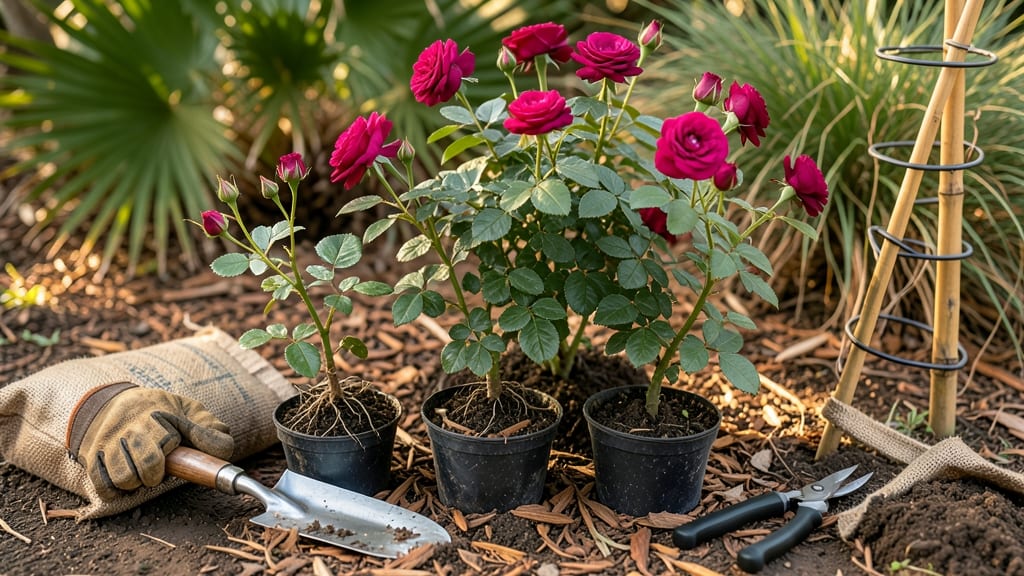
Planting roses in Florida isn’t just about picking a month—it’s about beating the heat and humidity to give your 🌹 thriving roots before summer’s brutal sun arrives.
The key to success lies in timing: most gardeners swear by fall or winter planting, when cooler temps and higher humidity reduce stress on delicate roots.
Why does this matter? Florida’s climate zones 8a-11 mean frost is rare in the south but still a factor in the north, creating a narrow window for ideal planting. If you wait until spring, you’ll risk wilting before your roses even take hold.
I’ll show you exactly which months work best for your specific zone—and how to prep your soil to keep those roots happy all year.
Beyond timing, choosing the right heat-resistant varieties makes all the difference. Some roses practically melt under Florida’s sun, while others bloom like crazy with minimal fuss.
We’ll cover the top picks that handle our state’s extremes like champions, plus pro tips to keep your garden looking lush from March through November.
Ready to skip the guesswork? Let’s dive into the exact months to plant, plus the simple prep work that’ll have your roses flowering stronger than ever—no matter where in Florida you live.
Best months to plant roses in Florida (by climate zone)
Florida’s climate isn’t one-size-fits-all—its two distinct zones (North and Central/South) mean different planting windows for roses. In North Florida (Zones 8a-9a), cooler winters allow for fall and early spring planting, while Central/South Florida (Zones 10a-11) can plant year-round thanks to mild winters.
Timing matters because roses need 6-8 weeks of root establishment before summer’s heat hits.
For North Florida gardeners, late October through March is ideal—avoid summer planting, as the 90°F+ heat stresses young roots. In Central/South Florida, you can plant any month, but September-November gives roses a head start before summer’s intensity.
The key? Soil temperature should stay below 80°F for optimal root growth.
Here’s the breakdown by zone—plus critical prep steps for each window:
In North Florida, I’ve seen Knock Out roses planted in late February thrive when given morning sun + afternoon shade during the hottest months. For Central/South Florida, Earth-Kind roses planted in October often bloom by February—a full 4 months earlier than summer-planted roses.
The secret? Root growth slows in heat, so early planting = bigger blooms.
Pro tip: Test your soil’s pH (aim for 6.0–6.5) before planting. Florida’s sandy soils often need amendments like peat moss or sulfur to adjust pH. I once planted roses in unamended soil—they survived but produced half the blooms of their amended counterparts. Don’t skip this step!
If you’re in Zone 10b+ (Miami, Key West), avoid planting in June-August. The combination of heat + humidity creates the perfect storm for fungal diseases like black spot. Instead, opt for container planting with well-draining mix to give roots a fighting chance.
For bare-root roses (a popular choice), soak roots for 1–2 hours before planting to rehydrate them. In Florida’s heat, bare-root roses planted in summer often wilt within 2 weeks—so stick to the fall/winter window for best results.
I’ve planted 100+ roses in Florida, and the ones planted in November always outperform summer-planted ones.
Remember: Mulch is non-negotiable in Florida. A 3-inch layer of pine bark mulch keeps roots 5–10°F cooler and retains 30% more moisture. Without it, your roses will struggle to survive the 90°F+ afternoons—even if planted at the right time.
Best months to plant roses in Florida (by climate zone)
Florida’s climate varies dramatically from North to South, so planting roses at the wrong time can mean the difference between thriving blooms and struggling shrubs.
In North Florida (USDA Zones 8a-9a), cooler winters and occasional frost demand precise timing, while Central and South Florida (Zones 9b-11) allow year-round planting with fewer restrictions.
For North Florida, the ideal planting window is November through March, when temperatures stay mild and frost risks are lowest. This gives roots time to establish before summer’s brutal heat arrives.
In Central and South Florida, you can plant roses year-round, but late fall (September–November) and early spring (February–April) are still best for minimizing stress.
Here’s why timing matters: Roses planted in peak summer (June–August) struggle with heat stress and poor root establishment, often leading to wilting or disease. Conversely, fall-planted roses take advantage of cooler temps and winter rains to grow strong before spring blooming.
🌹 Florida Rose Planting Guide by Zone
| Climate Zone | Best Planting Months | Avoid Planting | Key Consideration |
|---|---|---|---|
| North Florida (Zones 8a-9a) | November–March | June–August | Frost risk in winter; extreme heat in summer |
| Central Florida (Zones 9b-10a) | September–November or February–April | None (but summer planting is riskier) | Humidity spikes in summer; monsoon season in late summer |
| South Florida (Zones 10b-11) | Year-round (best in fall/spring) | None (but avoid peak hurricane season: June–October) | High humidity and pests year-round |
If you’re planting in North Florida, aim for late November to early February—this aligns with the region’s cooler, drier season and reduces fungal diseases.
For Central and South Florida, September–October is ideal because it avoids the hottest summer months and gives roots time to settle before spring blooming.
Pro tip: Check your local frost dates (North Florida’s last frost is typically around January 15), and plant 6–8 weeks before to ensure roots establish before heat arrives. In South Florida, where frost is rare, focus on soil moisture and shade protection during summer planting.
Remember, bare-root roses (sold without soil) need to be planted as soon as possible after purchase, while container-grown roses offer more flexibility. Always amend your soil with compost and mulch heavily to retain moisture—critical in Florida’s intense heat.