
Plants
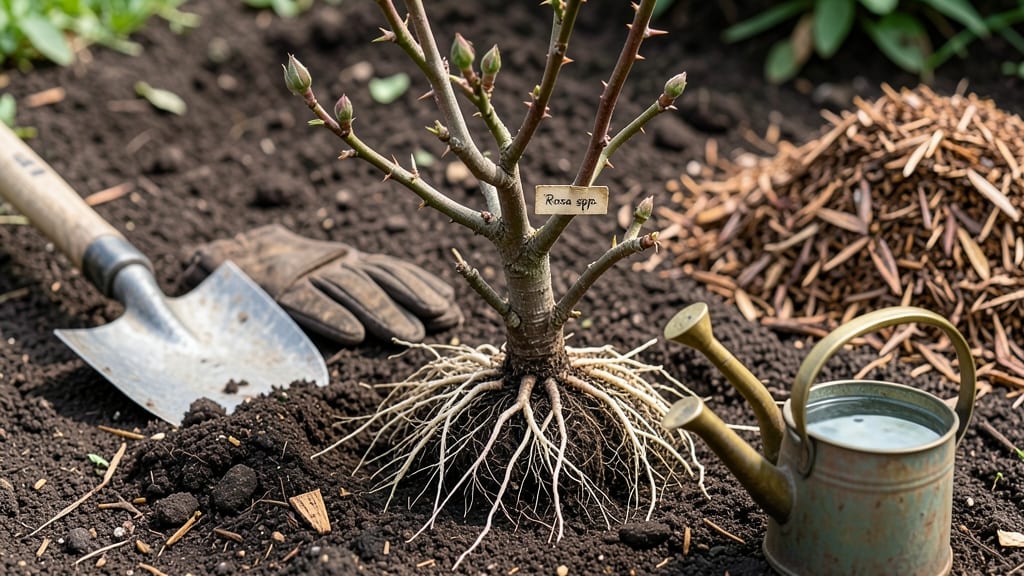
Timing when to plant roses in Kansas just right could mean the difference between a garden bursting with 🌹 vibrant blooms and struggling vines that never quite thrive. With Kansas’ USDA Zone 5b-7a climate, getting the window perfect—whether you’re planting bare-root or container-grown roses—isn’t just helpful, it’s essential.
Most gardeners in Kansas know the basics: spring or fall are the best times, but the exact dates matter. Plant too early, and frost can still threaten those delicate roots. Plant too late, and your roses might not establish strong roots before winter sets in.
The key lies in understanding your local microclimate—whether you’re in Wichita, Kansas City, or Topeka—and how it affects soil temperature and frost patterns.
In this guide, I’ll break down the ideal planting windows for your Kansas garden, including soil prep tips tailored to the region’s clay-heavy soils.
You’ll also learn how to avoid common mistakes that kill rose bushes before they even bloom, so you can set your plants up for success from day one.
Ready to transform your garden into a showstopping rose display? Let’s dive into the exact timing and techniques that will have your roses thriving all season long.
Best planting months for roses in Kansas (USDA Zone 6 guide)
Kansas gardeners know timing is everything—and for roses, planting in early spring or fall gives your bushes the best shot at thriving. With Kansas’ USDA Zone 6 climate, you’ve got two prime windows: March-April for spring and September-October for fall.
These months align with soil temperatures that encourage root growth without stressing young plants.
The last frost date in Kansas typically falls around April 15, but this varies by region—Wichita may see frost a week earlier than Kansas City.
For fall planting, aim to get roses in the ground 6-8 weeks before the first frost (usually mid-October) to allow roots to establish before winter dormancy.
Bare-root roses are best planted in early spring when soil is workable but not yet warm. Container-grown roses, however, offer more flexibility—they can be planted year-round except during extreme heat or cold. This makes them ideal for gardeners who miss the traditional windows.
Here’s how Kansas’ microclimates affect your timing:
🌹 Kansas Rose Planting Timeline
| Season | Ideal Planting Month | Soil Temp Threshold | Notes for Kansas |
|---|---|---|---|
| Spring | March-April | 45-55°F | Plant after last frost; Wichita may need to wait until late March. |
| Fall | September-October | 50-60°F | Avoid planting too late; roots need time to harden before frost. |
| Year-Round | Container-grown roses | N/A | Plant anytime except extreme heat (>90°F) or cold (<32°F). |
For bare-root roses, the key is planting as soon as they arrive in spring—don’t let them dry out. Soak the roots for 4-6 hours before planting to rehydrate them.
If you’re planting in fall, choose disease-resistant varieties like Knock Out® roses or Dr. Huey® roses, which handle Kansas’ humidity better.
If you’re in a warmer microclimate (like southeastern Kansas), you might extend spring planting into early May. Conversely, northern Kansas gardeners should wait until mid-April to avoid late frosts. Always check your local Almanac frost dates for the most accurate timing.
One common mistake is planting roses too early in spring when soil is still cold. If you plant before soil reaches 45°F, roots may rot. Use a soil thermometer to check—it’s a small investment that pays off in healthy vines.
Fall planting has its own advantages: cooler temperatures mean less stress on the plant, and roses establish roots before winter. Just be sure to water deeply after planting and add 2-3 inches of mulch to insulate roots from temperature swings.
Pro tip: If you’re unsure about timing, container-grown roses are your safest bet. They adapt better to off-season planting and give you more flexibility. Just avoid planting during peak summer heat (June-August) when roots struggle to establish.
🌹
How to prepare Kansas soil for rose planting (step-by-step)
Kansas’ clay-heavy soils and variable moisture can make or break your rose bushes if you don’t prep properly. The key is creating a well-draining, nutrient-rich environment that mimics the roses’ natural habitat—whether you’re planting in Wichita’s alkaline soil or Kansas City’s loamy patches.
Start by testing your soil’s pH level (aim for 6.0–6.5), as roses despise acidic or overly alkaline conditions.
If your soil tests outside this range, amend it with organic matter like compost or aged manure. For clay soils common in eastern Kansas, mix in sand or perlite to improve drainage—this prevents root rot, a silent killer of young rose bushes.
A 6-inch layer of compost worked into the top 12 inches of soil provides the perfect balance of nutrients and structure for root establishment.