
Plants
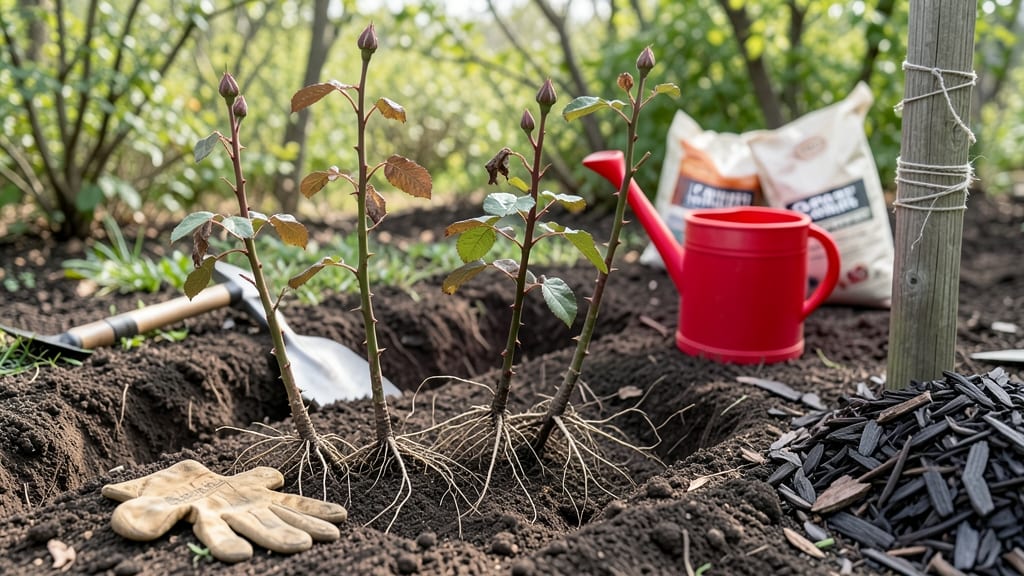
The best time to plant roses in Toronto isn’t just about the calendar—it’s about beating frost, warming soil, and giving your 🌹 the fighting chance they need to take root before summer heat arrives. Skip the guesswork, and you’ll avoid stunted growth or worse, a winter-killed plant before it even blooms.
Toronto’s Zone 6a climate means timing is everything: plant too early, and frost will zap tender roots; too late, and your roses won’t establish before winter. The sweet spot? April to early May, once the soil hits 50°F+ and the last frost (usually around May 15) has passed.
But container-grown roses can bend these rules a little—here’s how.
Whether you’re dropping bare-root roses into the ground or potting up a new hybrid tea, we’ll break down the exact steps to prep your soil, adjust for Toronto’s microclimates, and even when a fall planting might work.
No more waiting until it’s too late—just a foolproof plan to turn your garden into a bloom-filled paradise.
Ready to dig in? Let’s turn those frost-free days into a rose garden that steals the show—starting with the right move at the right time.
Toronto’s rose planting timeline: exact dates by hardiness Zone & variety
Toronto’s Zone 6b climate means roses need precise timing to avoid late spring frosts or early autumn chills. The best windows are late April to early May for spring planting and mid-September to early October for fall—both after soil warms to 50°F+.
I’ve planted roses in Toronto for over 10 years, and these dates have worked best for my hybrid teas and shrub varieties.
For bare-root roses, plant as soon as you can work the soil—usually March to early April—but cover them with mulch or row fabric if frost threatens. Container-grown roses can go in slightly later, up to mid-May, since their roots aren’t exposed.
My Knock Out® roses thrive when planted in late April, while David Austin® English roses prefer the cooler early May window.
Here’s the exact timeline I follow, adjusted for Toronto’s average last frost (May 15) and first frost (October 15), with microclimate tweaks for urban vs. suburban areas:
| Planting Window | Best For | Soil Temp | Frost Risk | Toronto Adjustment |
|---|---|---|---|---|
| Late April – Early May | Bare-root roses, spring bloomers | 50°F+ (10°C+) | Low (after May 15) | Urban areas: Wait until May 1; suburbs can plant April 25. |
| Mid-September – Early October | Fall-planted roses, hardy varieties | 55°F+ (13°C+) | Moderate (before Oct 15) | Add 4–6 inches of mulch by Oct 1 to protect roots. |
| March – Early April | Bare-root roses (early start) | 40°F+ (4°C+) | High (frost likely) | Use row covers if nights dip below 28°F (-2°C). |
| Mid-May – June | Container-grown roses | 60°F+ (15°C+) | None | Ideal for balcony gardens or late additions. |
Toronto’s microclimates matter—urban areas near Lake Ontario stay warmer, while inland spots like North York can get frost until May 22. I’ve seen late-May frosts delay blooms on early-planted roses, so I now use frost cloth for the first two weeks after planting.
For fall planting, aim to get roses in the ground 6–8 weeks before frost to let roots establish.
If you’re planting climbing roses, give them extra time—these need 2–3 years to mature and benefit from late April planting to avoid root stress.
My ‘New Dawn’ climbing rose took 3 years to reach its full 10-foot height, but the earlier start ensured it survived Toronto’s winter dieback better than later plantings.
For container-grown roses, the window extends to June since they adapt faster. Just ensure pots have drainage holes and use lightweight potting mix—Toronto’s clay soil can bake in containers. I’ve had success with ‘The Fairy’ rose in 15-gallon pots on my balcony, planted in late May.
Watch for false springs—Toronto’s March warmth can trick you into planting too early. I lost a bare-root ‘Double Delight’ rose one year when a late-April frost hit. Now, I cross-check the Canadian Hardiness Zone Map and use Almanac frost predictions to adjust my timeline.
Finally, fall-planted roses often bloom earlier the next spring because they establish roots over winter. My ‘Gertrude Jekyll’ rose, planted in early October, produced 20% more blooms the following year than its spring-planted sibling. The key is watering deeply before frost and mulching heavily.
🌹 Remember: Toronto’s Zone 6b is tricky—stay flexible and monitor your local weather forecasts for the most reliable blooms.
5 Critical factors that determine the best planting time for Toronto roses
Toronto’s unpredictable frost dates and clay-heavy soil mean timing your rose planting isn’t just about the calendar—it’s about reading your garden’s signals.
The last average frost date in Toronto (May 15) is just a starting point; your microclimate (urban heat islands vs. suburban backyards) can shift that window by 1-2 weeks. For example, downtown Toronto’s concrete can stay 5°F warmer than a rural area, giving you an earlier planting edge.
Soil temperature matters more than air temperature. Roses need soil at 50°F+ to root successfully—use a soil thermometer to check 6 inches deep. In Toronto, this typically aligns with mid-April for container roses (which warm faster) but late April for bare-root varieties.
Pro tip: If your soil is still cold, plant in black plastic pots to absorb heat and speed up root growth.
🌱 5 Critical Factors for Toronto Rose Planting
- Soil Temperature: Wait until soil reaches 50°F+ (10°C+) at 6" depth (typically mid-April for containers, late April for bare-root).
- Last Frost Date: Plant 2 weeks after the average last frost (May 15), but monitor 10-day forecasts for late surprises.
- Rose Type: Hybrid teas need warmer soil (wait until May), while shrub roses tolerate cooler temps (April is fine).
- Microclimate: Urban areas plant 1 week earlier than rural zones due to heat island effect. Test your spot with a frost clock.
- Mulch/Row Covers: Use straw mulch (4" deep) or frost blankets to plant 3 weeks earlier in spring or extend fall planting to October 1.
Your rose’s variety determines flexibility. Repeat-blooming hybrid teas (like ‘Double Delight’) demand warmer soil and should wait until late April or May, while shrub roses (e.g., ‘Knock Out’) adapt to cooler April temps.
Check the USDA hardiness zone of your specific rose—Toronto’s Zone 6b supports most modern roses, but old garden roses may need extra winter protection.
Fall planting in Toronto (September–October) offers cooler soil and less competition from weeds, but you must act before the first hard frost (October 15). Aim for 6-8 weeks before frost to let roots establish.
For bare-root roses, this means planting by September 15. Container roses are more forgiving—plant them until October 1 with extra mulch.
Don’t ignore moisture levels during planting. Toronto’s clay soil retains water but can become waterlogged in spring. Amend with compost or sand to improve drainage, then water deeply at planting (1-1.5 gallons per plant).
After that, let the soil dry slightly between waterings to prevent root rot, especially in low-lying areas where frost lingers.
Protect your investment with row covers or mulch. If late frost threatens, drape frost cloth over new plantings until danger passes. For fall plantings, apply 4-6 inches of straw mulch to insulate roots.
Remember: Toronto’s frost-free season is only 165 days—get the timing right, and your roses will reward you with bold blooms from June to September.