
Plants
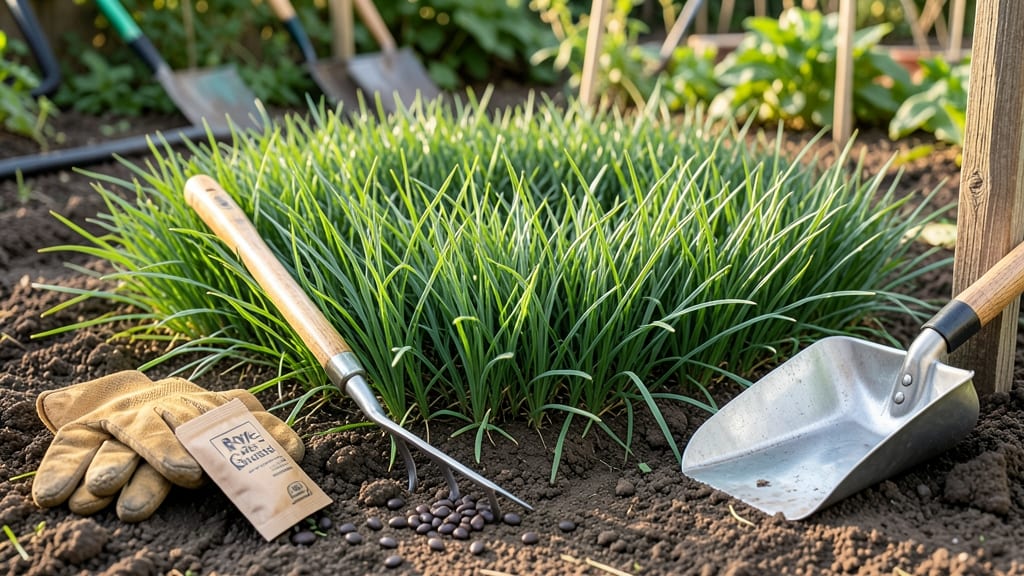
Best planting months for rye grass in Central Florida’s climate zones
Central Florida’s USDA zones 9a-10a create unique challenges for growing rye grass, but timing your planting just right can mean the difference between lush, drought-resistant coverage and weak, patchy growth.
Unlike northern climates, we don’t have to worry about harsh winters, but our humid summers and unpredictable frost risks demand precise planning.
The ideal planting window for rye grass in Central Florida stretches from mid-August through October, with a secondary opportunity in February-March for early spring growth. This timing aligns with soil temperatures that encourage fast germination while avoiding the extreme heat of July or the potential frost risks of December.
Here’s why these months work best: August-September provides warm soil for quick sprouting, while October gives seedlings time to establish before cooler weather sets in. The February-March window catches the tail end of winter dormancy, allowing grass to take advantage of increasing daylight before summer heat arrives.
🌾
| Planting Window | Soil Temp (°F) | Germination Time | Key Considerations |
|---|---|---|---|
| Mid-August | 80-85°F | 7-10 days | Hot but ideal for quick sprouting before summer heat peaks |
| September | 75-80°F | 10-14 days | Perfect balance of warmth and decreasing humidity |
| October | 70-75°F | 14-21 days | Cooler nights reduce stress; frost risk minimal in most areas |
| February | 65-70°F | 14-21 days | Warmer days stimulate growth before summer heat arrives |
| March | 70-75°F | 10-14 days | Ideal for northern areas with later frost dates |
For homeowners in northern Central Florida (like Orlando and Kissimmee), the first frost date averages around December 1, though it’s rare. In southern areas (Tampa, St. Petersburg), frost is virtually unheard of.
This means you can push your October planting later in the north but should aim for early October in the south to avoid potential heat stress from late-season warmth.
If you’re planting in August, focus on early morning sowing to avoid seed desiccation from afternoon heat. Use a light mulch (like straw) to retain moisture without smothering seedlings. For February-March plantings, prioritize well-draining soil to prevent waterlogging during Florida’s occasional heavy rains.
One common mistake I see is planting too late in November. While it’s not impossible, the shorter daylight hours and cooler temperatures significantly slow germination. If you miss the ideal window, wait until February—don’t rush into late fall plantings unless you’re in a microclimate with consistent warmth.
Pro tip: Test your soil temperature before planting using a simple soil thermometer. Rye grass germinates best when soil temps are between 60-75°F. If your soil is hotter than 85°F, wait a week or two to avoid seed burn.
🌿
How Central Florida’s weather affects rye grass germination rates
Central Florida’s humid subtropical climate creates unique challenges for rye grass germination. Unlike northern states, our long, hot summers and mild winters demand precise timing to avoid heat stress or fungal diseases.
Understanding how soil temperature, humidity, and rainfall patterns interact will help you maximize your grass’s success rate.
Rye grass thrives when soil temperatures hover between 55°F and 75°F. In Central Florida, this window typically opens in late summer (August–September) and closes by mid-October before cooler weather sets in.
Planting too early risks heat stress, while waiting too long may expose seedlings to early frost—rare but possible in northern areas like Orlando and Ocala.
| Factor | Ideal Range | Central FL Reality |
|---|---|---|
| Soil Temperature | 55°F–75°F | August–October: 78°F–85°F (cooler at night) |
| Humidity | 40%–60% | Summer: 70%–90% (risk of fungal diseases) |
| Rainfall | 1–1.5 inches/week | Summer: Heavy storms; Fall: Drier |
| Sunlight | 6+ hours/day | Full sun year-round (shade reduces germination) |
High humidity in Central Florida’s summers can lead to scald disease if seedlings aren’t given proper airflow. I recommend light mulching with straw to retain moisture while preventing fungal growth. Conversely, September–October often brings drier conditions, making it easier to maintain consistent soil moisture without overwatering.
Rainfall patterns also play a critical role. Summer’s intense afternoon thunderstorms can wash away seeds or cause erosion, while fall’s gentler rains provide steady hydration. If planting in August, I suggest using a seed starter fertilizer to compensate for potential nutrient loss from heavy rains.
For spring plantings (February–March), germination speeds up as temperatures rise, but weed competition becomes fiercer. Pre-emergent herbicides applied 2–3 weeks before planting can give rye grass a head start against Florida’s aggressive crabgrass and clover.
Monitor your local National Weather Service forecasts for hurricane season (June–November), as storms can delay planting or damage young seedlings. If a storm is forecasted, delay seeding until conditions stabilize to avoid waterlogged soil.
By aligning your planting schedule with Central Florida’s temperature shifts and rainfall cycles, you’ll give your rye grass the best chance to establish strong roots before winter sets in. The key is acting in August–September when conditions are optimal—just don’t wait too long!