
Plants
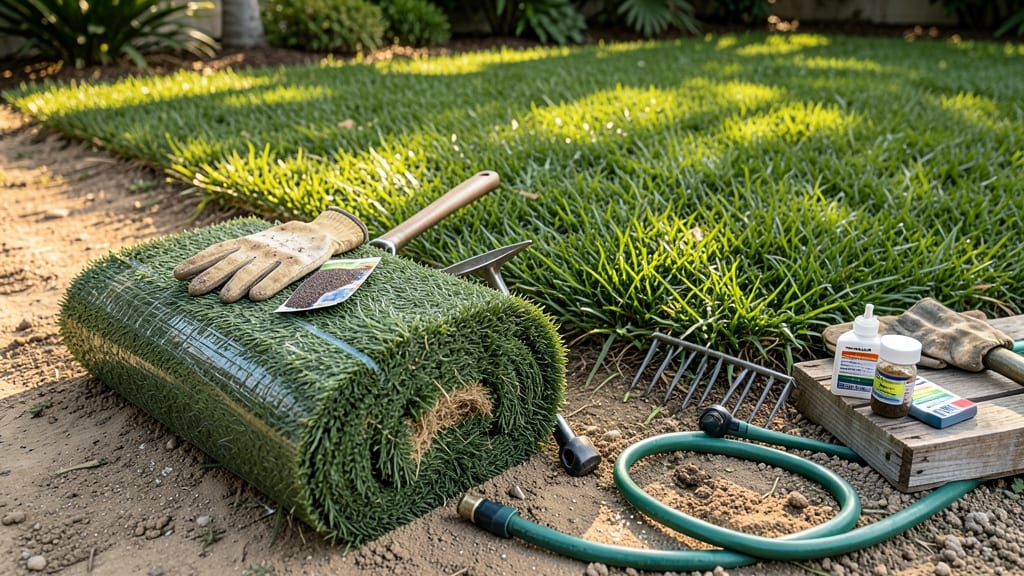
If you’ve ever stared at a patchy lawn in Florida’s sweltering heat and wondered when to plant grass for that perfect green carpet, you’re not alone.
The state’s unique microclimates—from North to South—mean the "best" time can vary wildly, and getting it wrong could leave you mowing thin air for months.
Here’s the secret: Florida’s year-round growing potential means you can plant turfgrass 🌱 almost anytime, but timing is everything. Skip the summer heat, and you’ll avoid seed burn and slow germination.
Instead, focus on early fall or spring when soil temps hit that sweet 65-75°F range—ideal for fast, lush growth without battling pests or drought.
Whether you’re establishing a new lawn or overseeding bare spots, I’ll break down the exact months that work best for your region—plus pro tips to beat Florida’s humidity and drainage quirks. Let’s turn that brownout into a showstopper.
Ready to skip the guesswork? You’ll learn how to read your local microclimate, pick the right grass type, and time your planting for fast germination—no matter if you’re in the Panhandle or the Keys.
Best months to plant grass in Florida by region (North vs. central vs. South)
Florida’s climate varies dramatically from North to South, making timing critical for grass success. Unlike northern states, Florida’s warm-season grasses (like St. Augustine and Bermuda) dominate, while cool-season grasses (like Ryegrass) thrive only in North Florida winters.
Let’s break down the best planting windows by region to avoid heat stress or fungal diseases.
In North Florida (Zones 8a-9a), cooler winters allow cool-season grasses like Tall Fescue to establish in late summer (August-September) for fall growth. Meanwhile, warm-season grasses like Zoysia should be planted in early spring (March-April) or late summer (August) to avoid summer heat.
The key? Soil temperatures must stay between 65-75°F for optimal germination.
For Central Florida (Zones 9a-9b), the sweet spot is early spring (February-March) or late summer (August-September).
This region’s high humidity and intense sun demand fast germination—planting in peak heat (May-July) risks seed desiccation or pest attacks. St. Augustinegrass, Florida’s state grass, thrives when planted in spring before chinch bugs become aggressive.
In South Florida (Zones 10a-11), year-round planting is possible, but spring (March-May) and fall (September-November) are ideal.
The tropical climate means Bahia grass and Centipede grass can establish anytime, but avoid planting during hurricane season (June-November)—flooding and wind stress seeds. Shade-clone St. Augustine also prefers spring to handle South Florida’s heavy rainfall.
🌱 Florida Grass Planting Guide by Region
| Region | Best Months | Grass Types | Soil Temp for Planting | Key Risks |
|---|---|---|---|---|
| North Florida | Aug-Sept (cool-season), Mar-Apr (warm-season) | Tall Fescue, Bermuda, Zoysia | 65-75°F | Fungal diseases, chinch bugs |
| Central Florida | Feb-Mar, Aug-Sept | St. Augustine, Centipede, Zoysia | 68-75°F | Heat stress, poor germination |
| South Florida | Mar-May, Sept-Nov | Bahia, Centipede, Shade-tolerant St. Augustine | 70-78°F | Hurricane damage, flooding |
Coastal areas add another layer of complexity. Salt spray and sandy soil in East/West coasts (e.g., Miami, Tampa) require drought-tolerant varieties like Bahia grass or Zoysia. Inland zones (e.g., Orlando, Gainesville) can handle St. Augustine or Centipede with better soil moisture retention.
Always test soil pH (5.5-6.5)—Florida’s limestone bedrock often leaves soil alkaline, stunting grass growth.
Pro tip: Use a soil thermometer to confirm 65-75°F soil temps before planting.
In North Florida, September often hits this sweet spot, while South Florida may need shade cloth in summer to protect young seedlings. Overseeding in spring (for warm-season grasses) or fall (for cool-season) can extend your lawn’s lifespan by 2-3 years.
If you’re in a transition zone (e.g., Lakeland, Ocala), mix warm-season and cool-season grasses for year-round coverage. For example, plant Bermuda in spring and Ryegrass in fall—they’ll complement each other across seasons. Just avoid planting both at once; their growth habits clash
How Florida’s microclimates affect grass germination speed and survival rates
Florida’s humidity and soil temperatures create unique challenges for grass germination, especially in North Florida’s cooler winters and South Florida’s year-round warmth. The average germination time can vary by 2-3 weeks depending on your region, with coastal areas often sprouting faster due to higher moisture.
Understanding these factors helps you time your planting for the fastest, healthiest results.
In North Florida (Zones 8a-9a), cooler soil temperatures slow germination, making early spring (March-April) or fall (September-October) ideal. The optimal soil temperature for most grass seeds is 65-75°F, which North Florida hits reliably in these windows.
Meanwhile, Central Florida (Zones 9a-9b) enjoys faster germination year-round, but summer heat can stress new seedlings, so late spring (May) or early fall (August-September) are safer bets.
South Florida’s (Zones 10a-11) tropical climate allows for year-round planting, but humidity and pests like chinch bugs can derail success. Here, shade-tolerant varieties like St. Augustine or Bahia grass germinate faster in partial shade, while full-sun grasses (like Zoysia) need morning sunlight to avoid heat stress. The key is pre-treating soil with mycorrhizal fungi to boost root growth in these high-humidity conditions.
🌱 Florida Grass Germination Guide by Region
| Region | Best Planting Window | Avg. Germination Time | Key Challenge |
|---|---|---|---|
| North Florida | March-April, Sept-Oct | 14-21 days | Cooler soil temps |
| Central Florida | May, Aug-Sept | 10-14 days | Summer heat stress |
| South Florida | Year-round (best in fall) | 7-10 days (shade) | Humidity/pests |
One often-overlooked factor is rainfall patterns. Florida’s summer storms can wash away fresh seeds, while dry winters in North Florida may require extra irrigation. To combat this, pre-water the soil 24 hours before planting and use a light mulch (like straw) to retain moisture without suffocating seedlings.
In coastal areas, salt spray can also stunt growth, so freshwater irrigation is a must for the first 30 days after planting.
Another critical factor is soil pH. Florida’s sandy soils often test acidic (5.0-6.0), which can slow germination. Aim for a pH of 6.0-7.0 by amending with pelletized lime (for acidic soils) or sulfur (for alkaline soils).
A simple soil test kit ($15 at garden centers) will save you from wasted seed and poor establishment. For faster results, add compost or well-rotted manure to improve soil structure and nutrient availability.
Finally, pest pressure varies by season. Chinch bugs thrive in dry, hot conditions (common in summer), while armyworms attack in humid fall months.
To protect your new lawn, apply a pre-emergent herbicide (like pendimethalin) at planting, and monitor for early signs of damage, such as yellow patches or chewed blades.
In South Florida, fungal diseases (like brown patch) are more common, so avoid overwatering and ensure proper drainage.
By aligning your planting schedule with your local microclimate, you’ll see faster germination, stronger seedlings, and a healthier lawn that withstands Florida’s extreme conditions. The effort pays off in lush, year-round greenery—no matter where you live in the Sunshine State! 🌿