
Plants
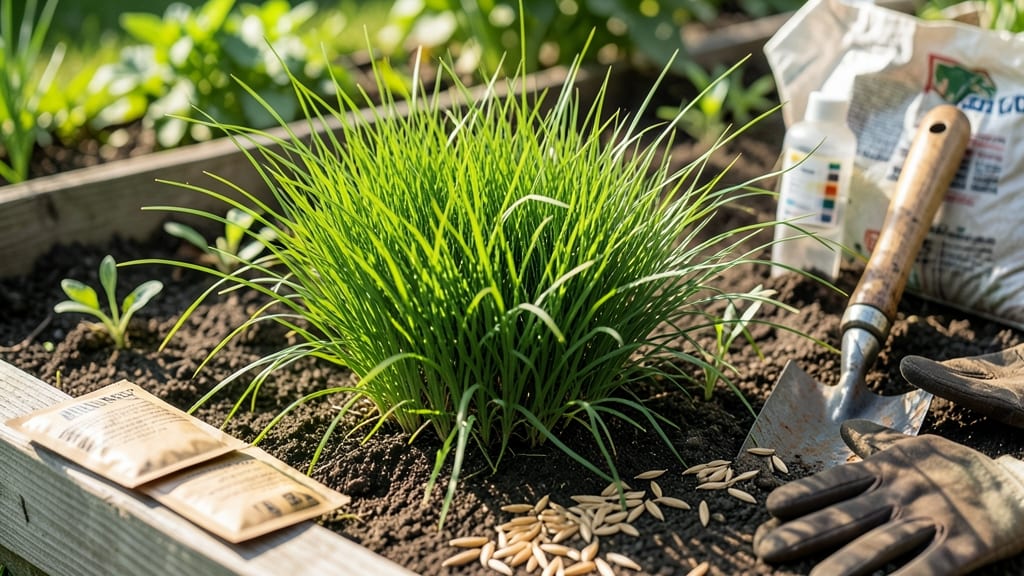
Timing your 🌾 rye grass planting in East Texas isn't just about the calendar—it's about outsmarting the region's unpredictable climate. Plant too early, and you risk bolting before winter sets in; too late, and frost will stunt growth before it even gets started.
The 4-6 week window before the first frost (typically August through October) is your golden opportunity to establish a thick, resilient cover that protects soil and boosts next year's garden.
East Texas's USDA Zone 8a climate means you've got a narrow but critical window to work with. Unlike cooler regions, the heat lingers longer, so planting in late summer ensures your rye grass has time to germinate before temperatures drop.
This isn't just about planting—it's about setting your cover crop up for success through the entire fall and winter seasons.
Whether you're using rye grass for erosion control, livestock forage, or simply to improve soil health, getting the timing right makes all the difference. I'll walk you through the exact months that work best in East Texas, plus pro tips to extend its growth through winter.
Let's make sure your cover crop thrives when it counts most.
From preparing your soil to protecting your plants from late-season heat, I've got the insights you need to turn your East Texas garden into a rye grass success story. Ready to transform your fall planting strategy?
Best planting months for rye grass in East Texas (climate-based guide)
Timing is everything when planting rye grass in East Texas, where USDA Zone 8a conditions create a delicate balance between summer heat and winter frost. The ideal window spans from mid-August to late October, aligning with cooling soil temperatures and avoiding the first frost (typically November 15).
This period ensures robust germination before winter sets in, giving your cover crop time to establish deep roots.
For spring planting, aim for March to early April—just early enough to capitalize on warming soils but late enough to prevent bolting from residual summer heat.
Areas like Tyler and Longview may push planting slightly later (early April) due to slower soil warming, while Beaumont can start as early as late February if your soil stays consistently above 60°F.
Miss the fall window? Don’t panic—planting in November still works if your soil remains workable, but growth will slow dramatically as temperatures drop. The key is to avoid planting after December 1, when frost risk increases and germination rates plummet.
🌾
East Texas’s microclimates play a huge role in success. In higher elevations (e.g., Athens or Huntsville), push planting to late August to avoid early September heat spikes. Conversely, coastal areas like Beaumont can extend planting into early November thanks to milder winters.
Always check your local frost date averages—the National Weather Service provides county-specific forecasts.
If you’re planting rye grass for forage, prioritize fall planting to maximize winter growth. The grass will establish roots before dormancy, then rebound aggressively in spring—ideal for livestock or hay production.
For lawn or erosion control, spring planting in March ensures a denser stand before summer heat stress.
One common mistake? Planting too early in July or August when soil temps exceed 80°F. This causes seeds to bolt prematurely or fail to germinate. Wait until soil temps drop below 75°F (usually by mid-August) for reliable results.
For overseeding existing lawns, aim for September to let new grass establish before winter. Use a slit seeder to ensure seeds make contact with soil—East Texas’s clay-heavy soils can smother seeds if not properly aerated.
🌡️
Best planting months for rye grass in East Texas (climate-based guide)
East Texas’s hot, humid summers and unpredictable freezes make timing critical for rye grass success. The ideal window is late summer to early fall—August through October—when soil temperatures drop below 80°F but before first frost (typically mid-November). This ensures strong germination without bolting or frost damage.
For spring planting, aim for March to early April, but avoid late spring (May+) to prevent rapid bolting from 90°F+ heat. Areas like Tyler and Longview (USDA Zone 8a) have slightly longer growing seasons than Beaumont, so adjust by 1–2 weeks earlier if you’re in cooler microclimates.
Here’s how East Texas’s climate breaks down for rye grass planting:
🌾 East Texas Rye Grass Planting Guide
| Season | Best Months | Soil Temp | Frost Risk | Notes |
|---|---|---|---|---|
| Fall | August–October | 60–80°F | Low (Nov+) | Optimal for winter cover |
| Spring | March–April | 55–70°F | None | Risk of bolting in May+ |
| Late Fall | November | Below 60°F | High | Slow germination; avoid |
In Tyler and Longview, where nights dip into the 40s°F earlier, push fall planting to September–early October to avoid early frosts. In Beaumont’s warmer coastal zone, you can extend planting to mid-October thanks to milder winters.
Always check your local frost date—plant 4–6 weeks before the first expected frost for best results.
Pro tip: If you miss the fall window, overseed in March for a spring cover, but expect slower establishment due to East Texas’s intense summer heat. Mulch lightly with straw to retain moisture during germination.
Timing isn’t just about months—it’s about soil temperature. Use a soil thermometer to confirm temps are below 80°F before sowing. Cool, moist soil = faster germination and stronger roots.