
Plants
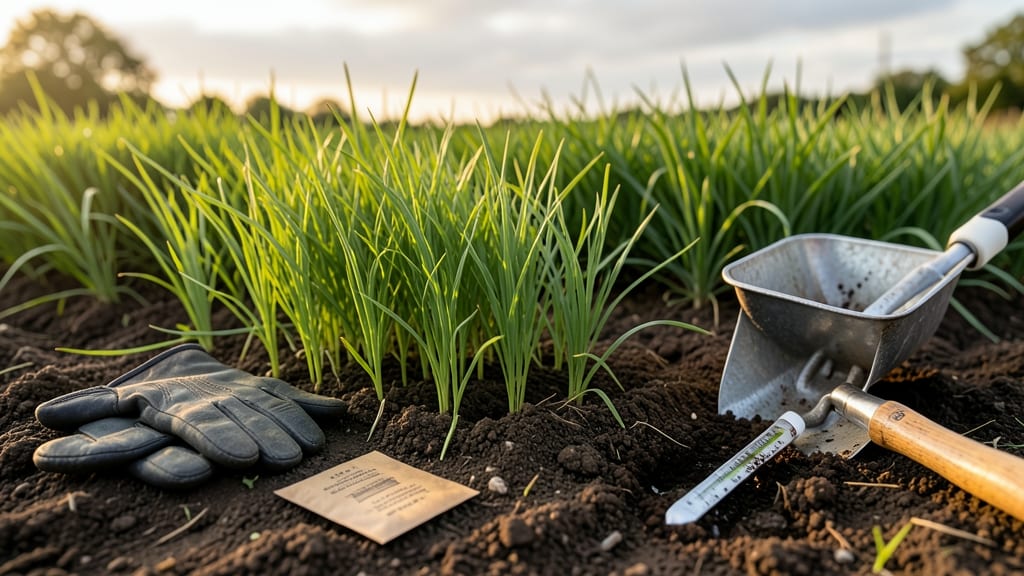
Planting ryegrass seed in Texas isn't just about throwing seeds on the ground and hoping for the best—it's about timing it perfectly to beat the heat and drought. With the right schedule, you can transform your lawn into a fast-growing, resilient green space that thrives when other grasses struggle.
The key window is late summer to early fall, when temperatures cool down just enough for germination to take hold.
Why does timing matter so much? Ryegrass is a cool-season grass, meaning it thrives in 60-75°F soil temperatures—something Texas summers make nearly impossible. Plant too early, and the heat will fry your seeds before they sprout.
Too late, and your grass won’t establish strong roots before winter arrives. But get it right, and you’ll have a lawn that stays lush through Texas winters and even handles drought better than many other grasses.
If you're overseeding an existing lawn, the best months to plant ryegrass in Texas are August through October. This gives the grass time to establish before the first frost hits—usually between November and January, depending on your region.
For new lawns, late winter (February) is another solid option, though you’ll need to monitor soil moisture closely to avoid drying out the young seedlings.
Ready to skip the guesswork? I’ll walk you through the exact steps to prepare your soil, choose the right variety for your Texas zone, and avoid common mistakes that kill ryegrass before it even gets started. Let’s make sure your lawn doesn’t just survive the Texas climate—it thrives in it.
Best months to plant rye grass seed in Texas for maximum germination
Texas’s diverse climate zones—from North Texas’s chilly winters to South Texas’s mild winters—mean ryegrass planting windows vary dramatically. In North Texas (Zones 7-8), aim for late August to mid-October to beat the first frost, while Central Texas (Zone 8a-9a) can stretch planting until early November.
For South Texas (Zones 9b-11), September to early October is ideal to avoid summer heat stress.
Soil temperature is your best guide: ryegrass seeds germinate best when soil is between 60°F and 75°F. Use a soil thermometer to check—if temps dip below 50°F, germination slows dramatically. In East Texas, humidity helps, but in West Texas, you’ll need extra irrigation to keep seeds moist.
Key takeaway: Plant 4-6 weeks before the first frost in your area. For example, North Texas’s first frost often hits by mid-November, so late September planting is perfect. Use the Texas A&M AgriLife Extension frost map to pinpoint your exact window.
| Texas Region | Best Planting Window | Soil Temp Threshold | First Frost Date |
|---|---|---|---|
| North Texas (Zones 7-8) | Late August – Mid-October | 60°F–75°F | Mid-November |
| Central Texas (Zones 8a-9a) | September – Early November | 65°F–70°F | Late November |
| South Texas (Zones 9b-11) | September – Early October | 70°F–75°F | December (rare) |
| West Texas (Zones 8a-9a) | Late August – September | 60°F–70°F | Early December |
🌱 Pro Tip: Adjust for early/late starts by monitoring rainfall forecasts—dry spells may require supplemental watering.
Spring planting (February) is possible but riskier—ryegrass competes poorly with summer weeds, and Texas summers can scorch new seedlings. If you must plant in spring, choose drought-resistant varieties like Annual Ryegrass and water deeply every 3-4 days until established.
Rainfall patterns also play a role: East Texas often gets enough natural moisture, while West Texas may need drip irrigation or soaker hoses to keep seeds hydrated. Aim for 1 inch of water per week during germination, and avoid overhead sprinklers to prevent fungal diseases like damping off.
For overseeding existing lawns, late September is ideal—cool nights and warm days create perfect conditions. Mow your lawn short (1.5 inches) 2-3 days before planting to expose soil, then lightly rake to create a seedbed. Avoid heavy foot traffic for 2 weeks post-planting to protect tender sprouts.
Microclimates matter: Even within a region, elevation changes can shift frost dates by 1-2 weeks. For example, Hill Country areas may frost 2 weeks earlier than nearby valleys. Use local weather stations (like NOAA’s Climate Data) to fine-tune your schedule.
Late starts? If you miss the fall window, February planting can work for cool-season varieties, but expect slower growth and weed competition. Avoid planting after March—summer heat will kill seedlings within 2 weeks.
Drought-resistant tip: If your area faces water restrictions, choose ‘Marshall’ or ‘Gulf’ ryegrass varieties, which tolerate moderate drought once established. Pair with mulch to retain moisture.
Best months to plant rye grass seed in Texas for maximum germination
Texas’s diverse climate zones mean ryegrass planting timing varies from North to South. In USDA Zones 7-9b, the ideal window is late summer to early fall—August through October—when soil stays warm but air cools slightly.
This gives seeds 4-6 weeks to germinate before winter’s first frost. For South Texas (Zones 9a-9b), extend planting to early November since frosts arrive later.
Spring planting is possible in February, but summer heat (June-July) will stress seedlings. If overseeding an existing lawn, aim for September to let grass establish before cool-season dormancy.
In East Texas, higher humidity demands frequent watering; in West Texas, drought-resistant varieties like ‘Marshall’ ryegrass thrive with minimal moisture.
For fast germination, target soil temperatures between 60–75°F. Use a soil thermometer to check depth—ideal readings are at 2 inches deep. Cool mornings (65°F) and warm afternoons (80°F) create perfect conditions.
If planting in October, cover seeds with straw mulch to insulate against early frosts.
Adjust for microclimates: Shaded areas stay cooler, so plant 1-2 weeks earlier than sunny spots.
In West Texas, irrigate newly seeded areas daily for 10 days to prevent drought stress. East Texas gardeners should avoid planting after mid-October—excess rain can wash out seeds or cause fungal diseases.
Pro tip: Test soil pH before planting—ryegrass thrives at 6.0–7.0. If your soil is too acidic, add lime 4–6 weeks before seeding. For overseeding, mow existing grass short (1–1.5 inches) and rake to expose soil.
Spread seed at ½ lb per 100 sq ft for uniform coverage.
Miss the fall window? Don’t panic—late winter (February) is your second chance, but summer heat will stunt growth. Prioritize shade cloth and daily watering if planting in spring. With the right timing, your ryegrass lawn will outperform Bermuda grass in winter resilience. 🌱