
Plants
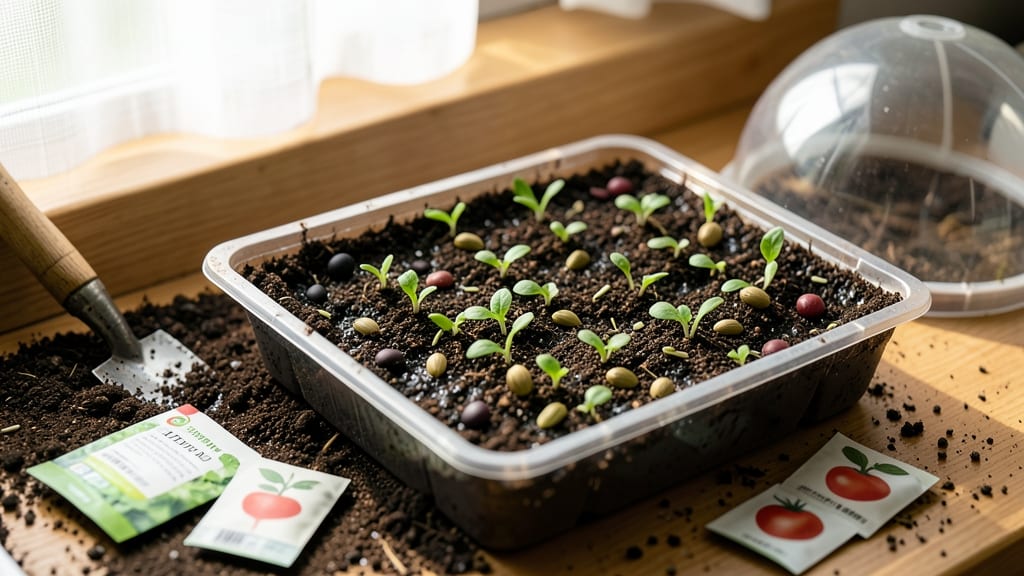
Spring seed planting dates by USDA hardiness Zone: exact timing for germination
Getting your spring seed planting timing right depends on your USDA hardiness zone and whether you're growing cool-season or warm-season crops. Planting too early risks frost damage, while waiting too long can stunt growth.
Let's break down the ideal planting windows for Zones 3 through 10, including soil temperature thresholds that trigger germination.
Most gardeners use their average last frost date as a starting point, but soil temperature is the real game-changer. For example, cool-season crops like spinach and peas can handle 40-50°F soil, while warm-season favorites such as tomatoes and peppers need 60-70°F to germinate reliably.
I'll show you exactly when to plant in each zone, plus how to adjust for early or late springs.
Pro Tip: Use a soil thermometer to verify temperatures before planting. Many nurseries sell them for under $15, and they're worth every penny for germination success. If your soil is too cold, wait a few days—patience prevents wasted seeds and heartache.
Notice how Zone 9-10 gardeners can start planting as early as January? That's because their mild winters allow year-round growing potential. Meanwhile, Zone 3-4 gardeners often need to wait until May for warm-season crops. The key is matching your planting timing to soil temperature, not just calendar dates.
For cool-season crops, aim to plant 4-6 weeks before your last frost date. These hardy plants can often tolerate light frosts. My go-to examples include lettuce, spinach, kale, and peas—all of which thrive when sown early.
If you're in doubt, check your local cooperative extension service for precise frost date data.
Warm-season crops like tomatoes, peppers, and cucumbers need consistent warmth. In cooler zones, I recommend starting these indoors 6-8 weeks before the last frost, then transplanting after soil warms.
For direct sowing, wait until soil reaches at least 60°F—no exceptions! Use a seedling heat mat if needed to jumpstart germination.
One common mistake I see is planting warm-season seeds too early, only to have them rot in cold soil. Always verify soil temperature with a thermometer. If it's below 50°F, hold off until conditions improve. Patience here saves money and frustration in the long run.
Another pro tip: Succession planting works wonders for extending harvests. For example, sow radishes every 2 weeks in spring for continuous harvests. This technique also applies to lettuce, spinach, and beans—perfect for maximizing your garden's potential.
Don't forget about microclimates in your garden. South-facing beds warm up faster than north-facing ones, and low spots collect cold air. Use these natural advantages to your benefit by planting heat-loving crops in the warmest spots first.
How to adjust planting timing for early vs. late spring conditions
Spring’s unpredictable weather can throw off even the most careful planting schedule. If you’ve ever watched late frosts nip your seedlings or unseasonably warm spells dry out seeds too soon, you know timing is everything.
The key is flexibility—adjusting your planting window based on local microclimates, frost forecasts, and seed hardiness. Let’s break down how to handle both early and late spring conditions without sacrificing your garden’s potential.
First, check your average last frost date (find it via the USDA Plant Hardiness Zone Map), then add a buffer. For example, in Zone 5, where frosts can linger into May, I plant cold-hardy seeds like spinach and peas 4–6 weeks before the last frost.
But if your spring is late—like the 2021 Midwest freeze that delayed planting by weeks—you’ll need to shift gears. Row covers or cold frames can buy you 2–4 weeks of earlier starts for heat-loving crops like tomatoes or peppers.
If frost is forecasted within 2 weeks of planting, cover seedlings with frost cloth or move containers indoors. Tomatoes and eggplants are especially vulnerable—even 32°F can stunt growth.
Pro Tip: Plant fast-sprouting seeds (like radishes) first—they’ll give you a 5–7 day buffer to assess weather risks.
For early springs, when soil warms up faster than usual (like in Zone 8 or Zone 9), resist the urge to plant warm-season crops too soon. Soil temperature matters more than air temperature—use a soil thermometer to confirm 60°F+ for tomatoes or 70°F+ for peppers.
If your soil heats up in March instead of April, focus on cool-season crops first (like kale or carrots) and save heat-lovers for later.
Microclimates play a huge role too. A south-facing slope warms up 1–2 weeks earlier than a shady valley spot. I’ve seen strawberries bloom weeks ahead in sunny patches while nearby plants still slept.
To test your microclimate, bury a thermometer in a few spots for a week—if one area hits 50°F while others stay 40°F, plant heat-sensitive seeds there first.
Here’s my go-to