
Plants
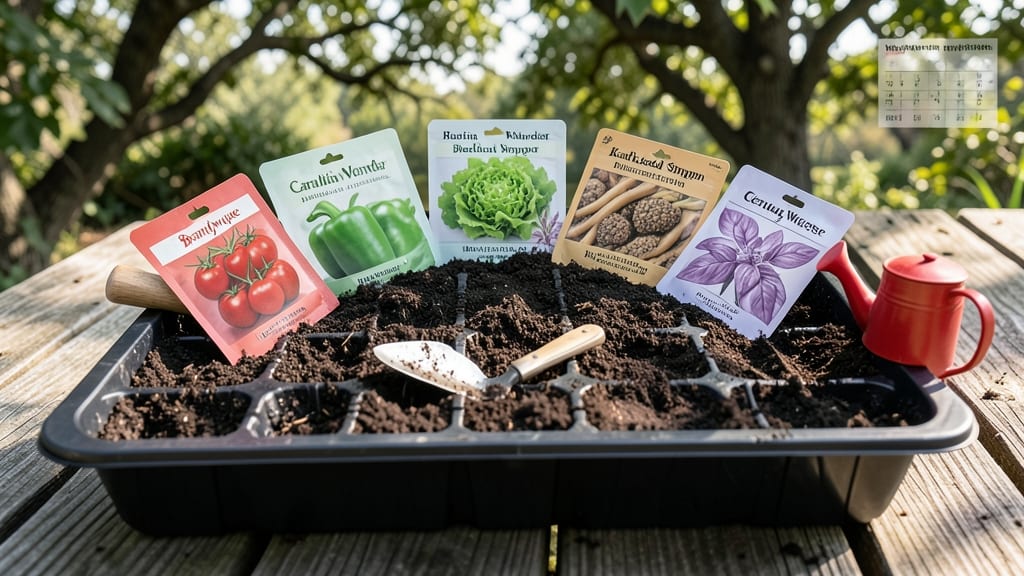
Timing your seed planting in Missouri can make or break your garden’s success—get it wrong, and you’re staring at frost-bitten seedlings or stunted harvests.
The 5a-7a zones here mean your neighbors in St. Louis might plant tomatoes a full two weeks earlier than those in Springfield, and without the right schedule, you’re gambling with your 🌱 General Missouri Seeds.
I’ve seen firsthand how a misplaced planting date can turn a thriving garden into a lesson in patience. Whether you’re a first-time gardener or a seasoned green thumb, knowing when to sow your seeds is the key to avoiding common pitfalls like late frosts or overheated soil.
Let’s break down the exact windows you need to maximize your harvests, from cool-season greens in March to heat-loving peppers by June.
Missouri’s microclimates—think river valleys, urban heat islands, and the Ozarks—add another layer of complexity. You’ll learn how to adjust for these variations, plus pro tips like using row covers to extend your season without risking frost damage. Ready to turn your garden dreams into reality? Here’s your zone-by-zone roadmap.
From tracking last frost dates to soil temperature checks, we’ll cover everything you need to plant with confidence. Whether you’re starting seeds indoors in February or direct-sowing in May, this guide ensures you’re always two steps ahead of Missouri’s unpredictable weather.
Let’s get those seeds in the ground at the perfect moment!
Missouri’s seed-planting zones: frost dates by region (2024 guide)
Missouri spans USDA Hardiness Zones 5b through 7a, creating dramatic differences in frost dates. Northern areas like Kansas City (Zone 6a) average their last frost around April 15, while southern regions like Springfield (Zone 7a) see frost-free conditions by March 20.
These variations mean your cool-season crops could face frost in one county but thrive in another just 50 miles away.
Even within cities, microclimates matter. Urban heat islands in St. Louis (Zone 6b) can delay frost by 5–7 days compared to rural areas, while river valleys like the Mississippi River bottoms often experience earlier frosts due to cold air pooling.
Always check local frost alerts from sources like the National Weather Service or Missouri Climate Center for real-time adjustments.
Pro Tip: Use a frost-free date calculator (like the one from Old Farmer’s Almanac) and adjust your planting by 2–4 weeks if you’re in a cooler microclimate. For example, peppers and tomatoes planted too early in Zone 6 will bolt or rot in cold soil.
🌡️ Missouri Seed-Planting Zones Comparison
| Region | USDA Zone | Avg Last Frost | Avg First Frost | Cool-Season Window | Warm-Season Window |
|---|---|---|---|---|---|
| Northern MO (e.g., St. Joseph) | Zone 5b | April 22 | October 10 | March 15–April 15 | May 1–June 15 |
| Central MO (e.g., Columbia) | Zone 6a | April 10 | October 20 | March 1–April 1 | April 25–June 1 |
| Southern MO (e.g., Springfield) | Zone 7a | March 20 | November 5 | February 15–March 15 | April 1–May 15 |
| Southeast MO (e.g., Cape Girardeau) | Zone 7a | March 15 | November 10 | February 1–March 1 | March 20–May 1 |
Adjust dates 1–2 weeks earlier for urban heat islands or river valleys.
For cool-season crops like spinach, peas, and lettuce, plant 4–6 weeks before your last frost date.
In Zone 5b, that means sowing seeds by March 15, while Zone 7a gardeners can start as early as February 1. Warm-season crops such as tomatoes, peppers, and cucumbers need to wait until soil temps reach 60°F+, typically 2–3 weeks after last frost.
Missouri’s Ozark Mountains create another layer of complexity. Higher elevations (e.g., Branson, Zone 6b) may experience 2–3 weeks later last frosts than valley floors. If you’re unsure, use a soil thermometer—cold soil stunts growth, even if air temps are warm.
For example, tomato seeds planted in 50°F soil may take 3x longer to germinate.
Don’t forget succession planting! In Zone 6a, you can make 3–4 lettuce harvests by sowing seeds every 2 weeks from March to September. Meanwhile, southern Missouri gardeners can stretch their warm-season window by planting black-eyed peas as late as July 15 for a fall harvest.
Use these frost-free days as your guide: Zone 5b has ~165 frost-free days, while Zone 7a enjoys ~210 days. Plan your fast-maturing crops (e.g., radishes, bush beans) for early spring, and save long-season varieties (e.g., cabbage, broccoli) for late summer plantings.
🌱 Key Takeaway: Missouri’s planting zones aren’t just about latitude—they’re about elevation, soil type, and microclimates. Always verify with local frost data and adjust your schedule accordingly.
Best crops to plant by month in Missouri (with soil temp checks)
Missouri’s growing season spans from early spring to fall, but not all crops thrive in the same months. Cool-season vegetables like spinach and peas love the chill of March and April, while warm-season favorites like tomatoes and peppers need to wait until soil warms to 60°F+.
Let’s break down the best planting times by month, including soil temperature thresholds and Missouri-specific pests to watch for.
Start with early spring crops like lettuce and radishes in March, when soil temps hover around 40-50°F. These cold-hardy greens can handle light frosts and give you an early harvest.
By April, soil warms enough for broccoli, cabbage, and carrots, which prefer 50-60°F soil. Succession planting every 2-3 weeks ensures a steady supply until summer heat sets in.
🌱 Missouri Planting Calendar by Month
| Month | Best Crops | Soil Temp (°F) | Missouri Pests to Watch |
|---|---|---|---|
| March | Lettuce, Peas, Spinach, Radishes | 40-50°F | Cabbage Worms, Flea Beetles |
| April | Broccoli, Carrots, Kale, Onions | 50-60°F | Aphids, Slugs |
| May | Tomatoes, Peppers, Cucumbers, Beans | 60°F+ | Squash Vine Borers, Corn Earworms |
| June-August | Sweet Corn, Okra, Southern Peas | 70°F+ | Japanese Beetles, Cucumber Beetles |
| September | Fall Lettuce, Radishes, Spinach | 50-60°F | Aphids, Cabbage Moths |
May is the sweet spot for warm-season crops like tomatoes and peppers, but wait until soil temps reach 60°F+ to avoid stunted growth. Black plastic mulch can help warm soil faster in cooler Missouri regions like Zone 5b.
For southern Missouri (Zone 7a), you can plant warm-season crops slightly earlier, but always check soil temps with a soil thermometer.
Don’t overlook late summer and fall planting! September is perfect for cool-season crops like spinach and radishes, which thrive in the milder temps before first frost.
Use row covers to extend the season and protect tender greens from unexpected chills. Succession planting every 2 weeks ensures a continuous harvest until October.
Missouri’s humid climate also means pests like squash vine borers and cucumber beetles thrive in summer. Monitor plants closely and use organic sprays or row covers to prevent damage. For herbs like basil and cilantro, plant them in partial shade during peak summer to avoid bolting.
Pro tip: Use a seed-starting kit for early indoor seedlings in February. Transplant hardy varieties like kale and Swiss chard outdoors 4-6 weeks before your last frost date. For Zone 6 areas, aim for early April; in Zone 7a, you can start as early as mid-March.