
Plants
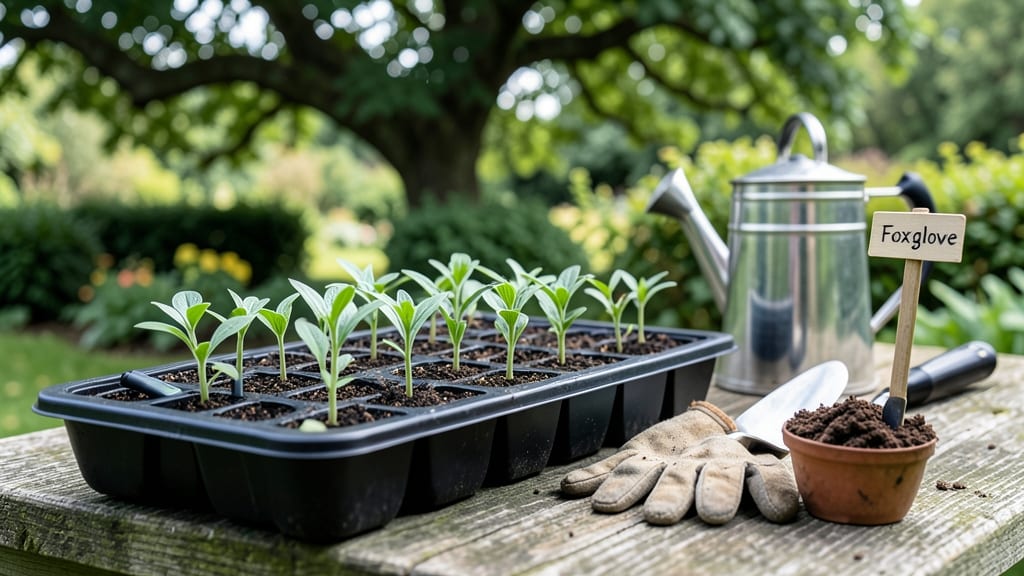
If you’ve ever dreamed of growing towering spires of foxglove 🌸 in your Zone 7 garden, when to plant foxglove seeds is the secret weapon you can’t afford to miss.
Timing is everything—planting these seeds too early risks frost damage, while waiting too long means you’ll miss the chance to establish strong roots before winter.
The perfect window in Zone 7 isn’t just about dates—it’s about understanding how your local climate plays with frost dates and soil temperatures to give your foxglove the best shot at thriving.
Most gardeners in Zone 7 know foxglove is a two-year wait for those showstopping blooms, but the real magic happens in the first year—when you set the stage for success.
Whether you’re a seasoned gardener or just starting, getting the timing right means the difference between leggy, struggling seedlings and hardy plants ready to burst into flower by next summer. Let’s break down exactly when to plant for maximum impact.
You might assume late spring is the only option, but in Zone 7, fall planting in August or September often works better—giving seeds time to germinate before winter’s chill sets in.
The key is avoiding that first frost (usually around October 15 in Zone 7), while still allowing enough warmth for seedlings to take hold. I’ll show you how to nail this balance, plus pro tips to protect your young plants from unexpected cold snaps.
Ready to grow foxglove that steals the show? This isn’t just about throwing seeds in the ground—it’s about working with nature’s schedule to create a flourishing garden that rewards you with dramatic blooms year after year. Let’s get started.
Ideal planting windows for foxglove seeds in Zone 7
Foxglove seeds thrive in Zone 7 when planted during the late summer to early fall window, specifically between mid-August and mid-September. This timing aligns with soil warming after summer heat and positions seedlings to germinate before the first frost (October 15 in most Zone 7 regions).
Direct sowing outdoors during this period gives foxglove the 6-8 weeks of warm soil needed for germination, while avoiding the chilling dormancy that can delay sprouting.
The key to success lies in soil temperature thresholds. Foxglove seeds germinate best when soil stays above 60°F (15°C)—a condition reliably met in Zone 7 by late summer.
Planting too early (e.g., June) risks premature germination followed by frost damage, while waiting until October leaves no time for seedlings to establish before winter. Staggered planting in late August and early September can extend your bloom window across multiple years.
For gardeners eager to jumpstart growth, indoor seed starting is an option—but it requires careful timing. Begin seeds indoors 10-12 weeks before your last frost date (April 15), typically in early February.
Use a grow light to prevent leggy seedlings, then transplant outdoors after the soil warms to 55°F (13°C) in late April or early May. However, foxglove’s biennial growth habit means flowers won’t appear until the second year, so indoor starts are more about head-starting root development than hastening blooms.
Zone 7’s variable microclimates can shift planting windows by 1-2 weeks depending on elevation and proximity to large bodies of water. For example, higher elevations (e.g., 2,000+ ft) may experience earlier frosts, pushing the ideal window to late July to early August.
Conversely, coastal areas with milder winters can extend sowing until early October. Always check your local frost dates and adjust accordingly—foxglove seedlings are highly frost-sensitive once they emerge.
Another critical factor is moisture consistency during germination. Foxglove seeds need consistently moist soil (not soggy) to sprout, which is easier to maintain in Zone 7’s humid late summer. Use a light mulch (straw or shredded leaves) to retain moisture and prevent soil crusting.
If your summer is particularly dry, consider drip irrigation or a shade cloth to protect seedlings from stress. Overwatering, however, can cause seed rot—aim for 1 inch of water per week once germination occurs.
Foxglove’s biennial lifecycle means your planting timeline directly impacts bloom timing. Seeds sown in late August will typically produce flower spikes in early summer of the second year (e.g., June 2025 for seeds planted August 2023).
To maximize blooms, stagger plantings every 2 weeks between August and September—this ensures a continuous display of those iconic bell-shaped flowers from June through August in subsequent years. Just remember: no flowers in Year 1—patience is key!
For container gardening in Zone 7, the same timing rules apply, but containers warm up faster than garden beds. Start seeds in 4-inch pots indoors in early February, then move to 5-gallon containers outdoors after the last frost.
Choose containers with drainage holes and use a lightweight potting mix to prevent root-bound stress. Foxglove in containers may bloom slightly earlier than in-ground plants due to warmer root zones, but they’ll still need partial shade to prevent leaf scorch.
One common mistake Zone 7 gardeners make is planting foxglove too close to the first frost. Seeds sown after September 15 often fail to germinate before cold weather sets in.
To test soil readiness, stick a thermometer 2 inches deep—if it reads below 60°F (15°C) for more than a few hours, wait another week. Cold frames or row covers can extend the window by 2-3 weeks, but they’re not foolproof for foxglove’s delicate seedlings.
Finally, choose the right foxglove variety for your Zone 7 climate. Digitalis purpurea (common foxglove) is the most cold-hardy, while Digitalis grandiflora (yellow foxglove) prefers slightly warmer microclimates.
For longer stems and bigger blooms, opt for ‘Giant Candelabra’—but give it extra support, as it can reach 5 feet tall in ideal conditions. Always buy seeds from reputable suppliers to avoid non-germinating hybrids
Ideal planting windows for foxglove seeds in Zone 7
In Zone 7, the best time to plant foxglove seeds is during late summer to early fall, specifically between mid-August and mid-September. This timing allows seeds to germinate before the first frost—typically around October 15—while giving seedlings enough time to establish roots before winter dormancy.
For direct sowing, aim for 6-8 weeks before your average first frost date to ensure strong, frost-resistant rosettes by winter.
If you prefer starting seeds indoors, begin 8-10 weeks before your last frost date (around April 15 in Zone 7). This gives seedlings a head start and allows you to transplant them outdoors once soil temperatures stabilize.
Indoor starts should receive bright, indirect light to prevent leggy growth, and you’ll need to harden off seedlings for 1-2 weeks before transplanting.
Soil temperature is critical for foxglove germination. Seeds need consistent soil temps between 60-70°F to sprout successfully. In Zone 7, this typically aligns with late summer heat, making August the prime month. Use a soil thermometer to monitor conditions—if temps drop below 55°F, germination will stall or fail.
| Planting Method | Zone 7 Timeline | Soil Temp Requirement | Key Consideration |
|---|---|---|---|
| Direct Sowing (Outdoors) | Mid-August to Mid-September | 60-70°F | Germinates before frost; keep soil moist |
| Indoor Starts | Early March to Mid-April | 65-75°F (warm mat helps) | Hardening off required; transplant after last frost |
| Fall Sowing (Riskier) | Late September (if soil stays warm) | 55-60°F (minimum) | Use row covers; germination slows with cooler temps |
Zone 7 gardeners should also account for microclimates—areas near structures or slopes may experience frost later than average. If your region has unpredictable fall weather, opt for staggered planting: sow half your seeds in early August and the rest in mid-September.
This hedges your bets against early or late frosts while maximizing bloom potential in the second year.
Remember, foxglove seeds are slow to germinate, often taking 4-6 weeks under ideal conditions. If you plant too late, seedlings may not emerge before winter.
To avoid this, mark your calendar for September 15 as the absolute deadline for direct sowing in Zone 7—any later, and germination risks increase dramatically.
Once seeds sprout, maintain consistent moisture (but avoid soggy soil) and provide partial shade to protect tender seedlings from intense late-summer sun. With the right timing, your foxglove will reward you with stunning summer blooms the following year—worth the patience! 🌸