
Plants
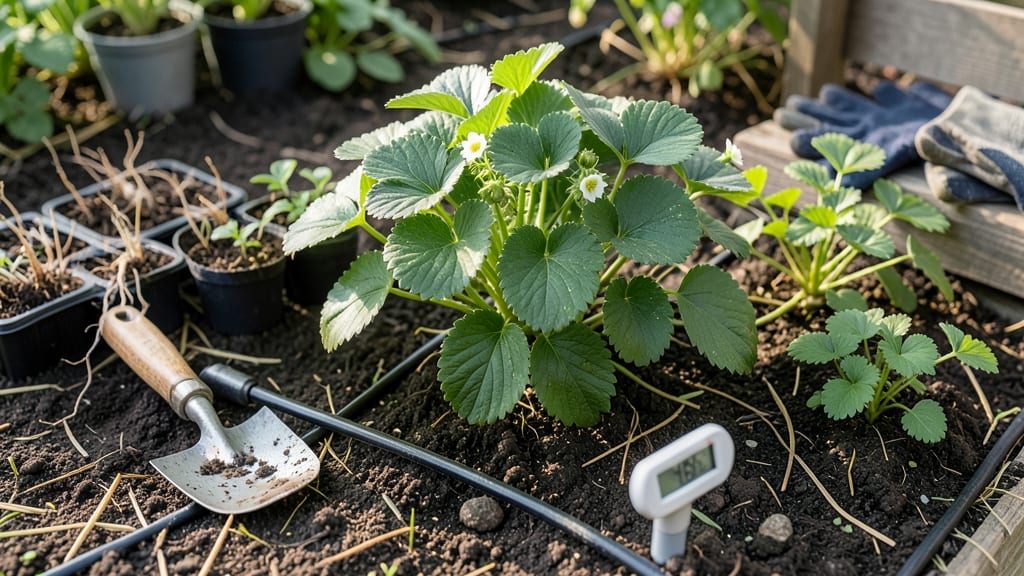
Timing your strawberry 🍓 planting in Pennsylvania can mean the difference between a bountiful harvest and a disappointing one—especially with our unpredictable spring weather. Whether you're growing June-bearing, everbearing, or day-neutral varieties, getting the timing right is key to avoiding frost damage and maximizing sweet, juicy berries.
In USDA Zones 5-7, the best windows to plant are early spring (March-April) or late summer (August-September).
But here’s the catch: your exact timing depends on whether you’re planting bare-root or potted strawberries, and where you live in the state—whether it’s Pittsburgh’s cooler microclimate or Philadelphia’s urban heat islands.
I’ll break down the optimal planting months for each variety type, including how to adjust for frost risks and soil temperatures. You’ll also learn why fall planting can be a game-changer for certain strawberry types in Pennsylvania’s cooler regions.
Ready to set your strawberries up for success? Let’s dive into the zone-specific strategies that will have you harvesting plump, flavorful berries from late spring to early summer.
Best planting months for strawberries in Pennsylvania by variety type
Pennsylvania’s diverse microclimates mean your strawberry planting schedule should align with your USDA zone (5b-7a) and variety type. June-bearing strawberries thrive with early spring planting, while everbearing and day-neutral varieties offer spring and fall options.
Let’s break down the best windows for each type to ensure your plants establish roots before summer heat or winter frost strikes.
For June-bearing varieties like Jewel or Honeoye, aim to plant 4-6 weeks before your last frost date. In most of PA, this means March to early April.
These plants produce one massive harvest in late spring, so timing is critical to avoid early blooms that frost can damage. In zone 5b (e.g., Pittsburgh), wait until mid-April to be safe, while zone 7a (e.g., Philadelphia) can start as early as late March.
Everbearing varieties like Ozark Beauty or Seascape are more flexible, offering two harvests per year. Plant them in early spring (March-April) or late summer (August-September). Fall planting works well in zones 5b-6a if you transplant 4-6 weeks before first frost (typically mid-September to early October).
This gives roots time to establish before winter dormancy.
Day-neutral varieties like Albion or Tristar are the most forgiving, producing fruit continuously until frost. They also thrive with spring and fall planting, making them ideal for PA’s short growing season.
For fall plantings, late August to early September is ideal—just ensure soil temps stay above 40°F for root growth.
Strawberry Planting Guide for Pennsylvania
| Variety Type | Best Planting Windows | PA Zones | Key Notes |
|---|---|---|---|
| June-Bearing | March–Early April | 5b–7a | One harvest; plant 4–6 weeks before last frost. |
| Everbearing | March–April or August–September | 5b–6a (fall only) | Two harvests; fall plantings need 4–6 weeks to root. |
| Day-Neutral | March–April or August–September | 5b–7a | Continuous harvest; most flexible for PA’s climate. |
🌱 Source: Penn State Extension, adapted for PA microclimates
If you’re in urban areas like Philadelphia or Pittsburgh, microclimates can shift planting windows by 1-2 weeks. Urban heat islands may allow earlier spring plantings, while high-altitude areas like the Pocono Mountains (zone 5b) should delay until mid-April to avoid late frosts.
Always check your local last frost date—tools like the Penn State Ag Weather Network provide real-time updates.
For bare-root plants, soak roots in water for 1-2 hours before planting to reduce transplant shock. If using potted strawberries, plant as soon as possible after purchase—delaying by even a week can stunt growth.
In PA’s clay-heavy soils, amend beds with compost or sand to improve drainage, which is critical for strawberry roots.
Pro tip: Use straw mulch (2–3 inches) after planting to retain moisture and suppress weeds. This is especially important in dry springs, like the one PA experienced in 2020, where mulch helped strawberries survive without frequent watering. Just avoid piling mulch against the crown to prevent rot.
Finally, if you’re starting from seed (less common for strawberries), begin indoors 8-10 weeks before last frostnot as cold-hardy as bare-root plants, so transplant carefully in early May once soil temps hit 50°F.
Seed-grown strawberries may take 1-2 years to fruit, so bare-root or potted plants are faster for PA gardeners.
Timing your strawberry planting right in Pennsylvania isn’t just about the calendar—it’s about reading your local microclimate. Whether you’re a first-time gardener or a veteran, these windows will help you avoid frost damage and maximize berry production for years to come. 🍓
How to adjust planting timing for Pennsylvania’s frost zones (5b-7a)
Pennsylvania’s frost zones 5b-7a create unique challenges for strawberry growers. Unlike milder climates, late spring frosts (even after April 15) can devastate young plants, while early fall freezes (as early as October) limit second harvests.
The key is planting when soil temperatures consistently stay above 40°F—a threshold strawberry roots need to thrive.
For June-bearing varieties, aim for early April in zone 7a (southern PA) but wait until mid-May in zone 5b (Poconos). Everbearing and day-neutral types offer more flexibility with fall planting (August-September), but timing depends on your first frost date.
Use Penn State Extension’s frost risk maps to pinpoint your exact window.
🌱Urban heat islands (like Philadelphia) can push planting 2-3 weeks earlier than rural areas, while high-altitude zones (e.g., Pocono Mountains) may need to delay until after Memorial Day. Always check 7-day soil temp forecasts before planting—cold soil stunts root growth.
⚠️ Frost Risk Alert
Never plant strawberries when nighttime temps dip below 35°F. Use frost cloth for 2-3 weeks post-planting in zones 5b-6a. Bare-root plants are especially vulnerable—soak roots for 12 hours before transplanting to reduce shock.
To calculate your safe planting window, subtract 60 days from your average last frost date.
For example, if your last frost is April 20, plant by February 20 for June-bearing varieties. Fall plantings should occur 4-6 weeks before first frost—typically late August in northern PA and early September in southern regions.
For high-altitude gardens (e.g., Lackawanna County), extend your frost-free period by choosing day-neutral varieties like 'Albion' or 'Seascape'. These produce berries throughout the season, reducing reliance on perfect timing. Mulch heavily (4-6 inches of straw) to insulate roots during temperature swings common in PA’s transitional zones.
Pro tip: Plant bare-root strawberries in early spring (March-April) when soil is workable but potted plants can handle late spring/fall transplanting. Always space rows 18-24 inches apart to improve airflow and reduce fungal diseases in humid PA summers.
🌡️ Use a soil thermometer—plant only when temps hit 40°F+ for 5+ days. In zone 6a, this often means waiting until late April. Patience here prevents root rot and ensures stronger plants that bounce back from PA’s unpredictable weather.