
Plants
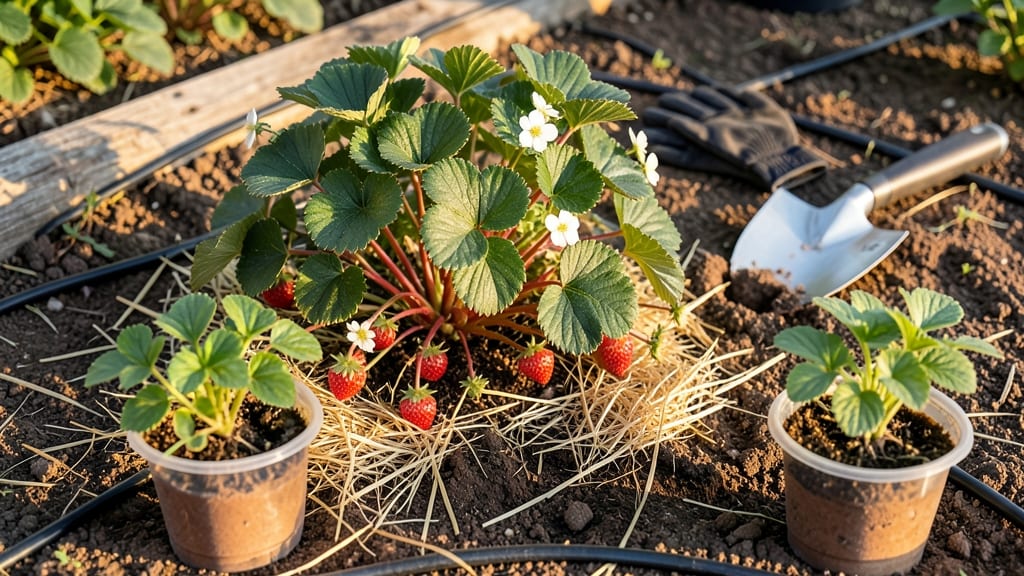
Planting strawberries in Phoenix might seem tricky with those brutal summer temperatures, but the perfect timing can actually make it easier than you think. The key is getting them in the ground during the cooler months when the desert heat isn't trying to fry your plants.
Most Phoenix gardeners know the ideal window runs from November through February
—when temperatures stay mild and frost isn't a concern. This gives your 🍓 strawberries a strong start before the real heat arrives. But there's more to it than just the calendar, especially if you're working with containers or raised beds.In this guide, I'll break down exactly when to plant, which heat-resistant varieties thrive in Phoenix, and how to protect your berries from the summer sun. You'll also learn why fall planting gives you the best chance for a sweet harvest by spring.
Whether you're a first-time gardener or a seasoned grower, these tips will help you avoid common mistakes and enjoy homegrown strawberries that taste even better than store-bought. Let's get those plants in the ground the right way!
Best planting times for strawberries in Phoenix’s extreme heat
Phoenix’s desert climate means strawberries thrive best when planted during cooler months. The ideal window spans from late October through February, avoiding the 100°F+ summers that stress plants. This timing aligns with the USDA Zone 9b conditions, where frost isn’t a concern but heat is the enemy.
Most gardeners in Phoenix opt for fall planting (November-December) because it gives roots time to establish before spring’s rising temperatures. If you miss this window, early March is your second chance—but expect slower growth compared to cooler-season starts.
Strawberries planted in summer (June-August) rarely survive Phoenix’s heatwaves. Even with shade, they’ll bolt (send up flowers) prematurely, producing small, bland fruit. The key is temperature control: aim for soil temps below 85°F at planting time.
📅 Strawberry Planting Timeline for Phoenix
| Season | Best Months | Soil Temp | Notes |
|---|---|---|---|
| Fall | November–December | 60–75°F | Optimal for root growth |
| Winter | January–February | 55–70°F | Harvest begins in March |
| Spring | March (early) | 70–80°F | Risk of heat stress |
| ⚠️ Avoid Summer Planting (June–August) | |||
For container gardeners, the rules are similar—but timing flexibility exists. Pots heat up faster, so plant 2–4 weeks earlier than in-ground beds to compensate. Use black fabric pots (they absorb heat) or add a light-colored mulch layer to reflect sunlight and keep roots cool.
Mulching is non-negotiable in Phoenix. A 3-inch layer of straw or wood chips locks in moisture and insulates roots from temperature swings. Without mulch, strawberries planted in March or April will struggle by May when temps hit 105°F+. Think of mulch as your plant’s personal air conditioner.
If you’re eager for a year-round harvest, stagger plantings every 4–6 weeks from November through January. This creates a rolling harvest from February to May, just as summer heat arrives. For example, plant November 1st for early fruit, then December 15th and January 30th for successive batches.
Shade cloth (30–50% shade) can extend the season by 2–3 weeks in late spring. Drape it over plants when temps exceed 90°F during daylight hours. Remove it by 6 PM to allow photosynthesis.
Pair this with drip irrigation set to run for 15–20 minutes twice daily (morning and late afternoon) to prevent wilting.
One common mistake? Planting bare-root strawberries too early in fall. Wait until soil temps drop below 75°F (usually late October). If you plant too soon, roots may rot in warm soil. Test temps with a soil thermometer—aim for 60–70°F at planting depth.
Pro tip: Soak bare-root plants in lukewarm water for 1–2 hours before planting to revive roots. This is especially critical in Phoenix’s dry air, where roots can dry out quickly. After planting, water deeply and apply a compost tea to boost microbial activity in the soil.
Best planting times for strawberries in Phoenix’s extreme heat
Phoenix’s 110°F+ summers can fry strawberry plants in days, but the cool winter months create a perfect window for planting. Unlike cooler climates, you’ll skip spring planting entirely—your goal is to establish roots before the heat arrives.
The ideal planting window runs from late October through February, when daytime temps stay below 85°F.
For the earliest harvests, aim for November planting—this gives plants 3-4 months to establish before summer. If you miss that window, December or January are still excellent, though you’ll need extra shade protection. Avoid planting after mid-February, as new plants struggle to root before the heat peaks.
🌱 Did You Know?
If you’re container gardening, you have slightly more flexibility—containers cool faster. Still, plant between November and January for best results. Place pots in shaded areas during summer months to protect roots. For in-ground planting, choose raised beds with organic mulch to insulate soil and retain moisture.
Timing isn’t just about the calendar—it’s about soil temperature. Strawberries thrive when soil stays between 50°F and 75°F. In Phoenix, this means planting after October’s first chill (when nighttime temps drop below 70°F) and before ground temps exceed 80°F in spring.
Pro tip: Use a soil thermometer to check before planting. If soil reads above 75°F, delay until temps drop. This small step can mean the difference between thriving plants and wilted failures.
For extended harvests, try a two-stage approach: Plant half your crop in November and the other half in January. This staggered timing ensures fruit ripens over 2-3 months instead of all at once. Just remember—no summer planting unless you’re using complete shade cloth.