
Plants
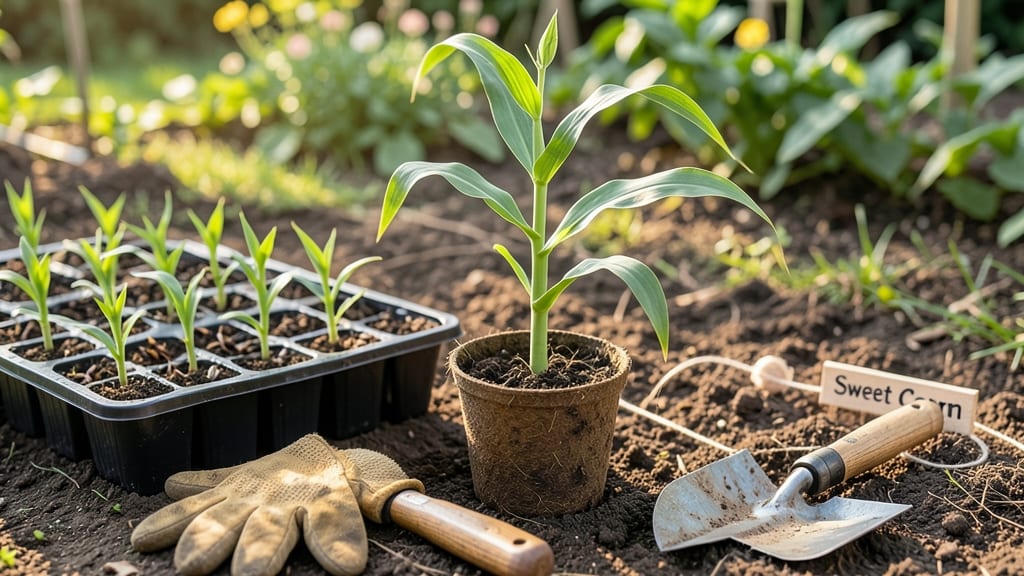
Timing your sweet corn 🌽 planting in North Carolina can make or break your harvest—get it wrong, and you’ll either face frost damage or miss out on that sweet, tender flavor. The state’s diverse climate means what works in the mountains won’t cut it for coastal growers, and even a two-week difference can shift your harvest from peak perfection to starchy disappointment.
I’ve grown sweet corn across NC’s zones for years, and the key is knowing your last frost date—whether you’re in the cooler Piedmont or the warmer coastal plains. Plant too early, and a late freeze will kill your seedlings; too late, and your corn might bolt before reaching full sweetness.
Let me break down the exact windows you need to aim for, tailored to your corner of the state.
You’ll discover how to read soil temperatures (aim for 60°F+), adjust for microclimates like urban heat islands, and even choose the right varieties for your region. Whether you’re a backyard gardener or a small-scale farmer, these strategies will help you avoid common mistakes and maximize your harvest.
Ready to grow corn that’s sweeter and more abundant than ever? Let’s dive into the precise planting schedule that’ll have your garden producing ear after ear of golden perfection—without the guesswork.
NC sweet corn planting dates by frost Zone: exact timing for peak harvests
North Carolina’s diverse climate zones mean your sweet corn planting window varies dramatically—from the cooler mountains to the humid coast. To avoid frost damage or stunted growth, align your planting with local frost dates and soil temperatures.
Most NC regions experience their last frost between March 15 and April 30, but microclimates shift these dates by weeks.
For peak harvest sweetness, aim to plant when daytime temperatures consistently reach 60°F+ and nighttime temps stay above 50°F. This typically means waiting until April 15 in the Piedmont and April 30 along the coast, while mountain gardeners should delay until May 15 to avoid late frosts.
Here’s your region-specific planting timeline, including variety recommendations and harvest windows to maximize your NC sweet corn success.
| Zone | Last Frost Date | Planting Window | Recommended Varieties | Harvest Window |
|---|---|---|---|---|
| Mountains (Zones 5b-6a) | April 15 - May 1 | May 1 - May 15 | Silver Queen, Country Gentleman | July 15 - August 15 |
| Piedmont (Zones 7a-7b) | March 15 - April 1 | April 15 - April 30 | Peaches and Cream, Honey and Pearl | June 15 - August 1 |
| Coastal (Zones 8a-8b) | February 15 - March 1 | March 15 - April 15 | Golden Bantam, Bodacious | May 15 - July 15 |
🌽 Pro Tip: Coastal areas can plant earlier but may face humidity-related diseases—space rows wider (36") for airflow.
If you’re unsure about your local frost dates, check the NC State Climate Office or use the USDA Plant Hardiness Zone Map to pinpoint your exact microclimate. For example, Asheville’s last frost often hits April 15, while Raleigh’s is closer to March 20.
For extended harvests, consider succession planting every 2 weeks after your initial date. This ensures a steady supply of sweet corn from June through August, even in shorter-season zones.
Just remember: corn needs space—plant seeds 1 inch deep and 12 inches apart in rows 36 inches apart.
Soil temperature is just as critical as air temperature. Use a soil thermometer to confirm 60°F+ at 4 inches deep before planting. Cold soil delays germination and weakens seedlings. If your soil is still chilly, consider black plastic mulch to warm it up 5-10°F faster.
Don’t overlook late-season varieties like 'Ambrosia' or 'Temptation', which tolerate warmer temperatures better than traditional types. These are perfect for Piedmont and coastal gardeners who want to push harvests into late August or early September.
For mountain gardeners, prioritize early-maturing varieties (60-70 days to harvest) to avoid fall frosts. Even with perfect timing, a sudden September frost can ruin your crop—so always have a row cover ready for late-season protection.
Finally, track your planting dates in a garden journal. Note any adjustments you make for microclimates (e.g., urban heat islands may let you plant 2 weeks earlier). Over time, you’ll refine your schedule for NC’s ever-changing weather patterns.
How to adjust planting dates for NC’s microclimates and soil conditions
North Carolina’s diverse geography—from coastal plains to mountain valleys—means your sweet corn’s planting window can vary by weeks depending on location. Urban heat islands in Raleigh or Charlotte may allow earlier sowing, while the cooler Appalachian foothills require delayed starts.
Understanding these microclimates helps you avoid frost damage and optimize soil warmth for faster germination.
Soil temperature is your most critical factor. Sweet corn needs 60°F+ soil to sprout reliably. In Piedmont regions, this typically occurs by mid-April, while mountain areas may wait until late May. Use a soil thermometer to confirm readiness—don’t rely on air temperature alone.
Coastal areas (like Wilmington) benefit from warmer soils earlier, often allowing March sowing under row covers. However, humidity increases fungal risks like corn smut, so prioritize well-draining soil and spaced planting. Inland valleys (e.g., Greensboro) can plant 2-3 weeks later due to cooler nights.
Urban gardeners face unique challenges. Pavement and buildings create heat pockets that may warm soil faster, but also dry it out quicker. Amend urban soil with compost and mulch to retain moisture. For container growing, use black plastic pots to absorb heat and plant 1-2 weeks earlier than ground planting dates.
- Coastal Plains (Zones 8a-8b): Plant March 15-April 1 for early harvests. Use shade cloth if temps exceed 90°F.
- Piedmont (Zones 7a-7b): Aim for April 15-May 1. Test soil—wait for 60°F+ consistently.
- Mountains (Zones 5b-6b): Delay until May 15-June 1. Choose shorter varieties like 'Ambrosia' (70-day maturity).
- Urban Heat Islands: Plant 1 week earlier than rural areas. Water deeply at dusk to prevent stress.
- High Humidity Zones: Space plants 12" apart and use fungicide if rain exceeds 2" weekly.
Soil pH matters too. Sweet corn thrives in 6.0-6.8 pH. Test your soil and amend with lime (to raise pH) or sulfur (to lower pH) 4-6 weeks before planting. Phosphorus-rich fertilizer (like 5-10-10) at planting time encourages strong root development, which helps plants recover from late-season heat stress.
For succession planting, make weekly sowings every 2 weeks until July 1. This stretches your harvest window and reduces pest pressure from overlapping crops. In Zone 8a, you might even squeeze in a fall planting by August 15 for a late harvest before frost.
Pro Tip: If your first planting fails due to cold soil, try warm-season cover crops like buckwheat to heat the soil naturally before replanting. This is especially useful in Zone 6b areas where springs can be unpredictable 🌱.