
Plants
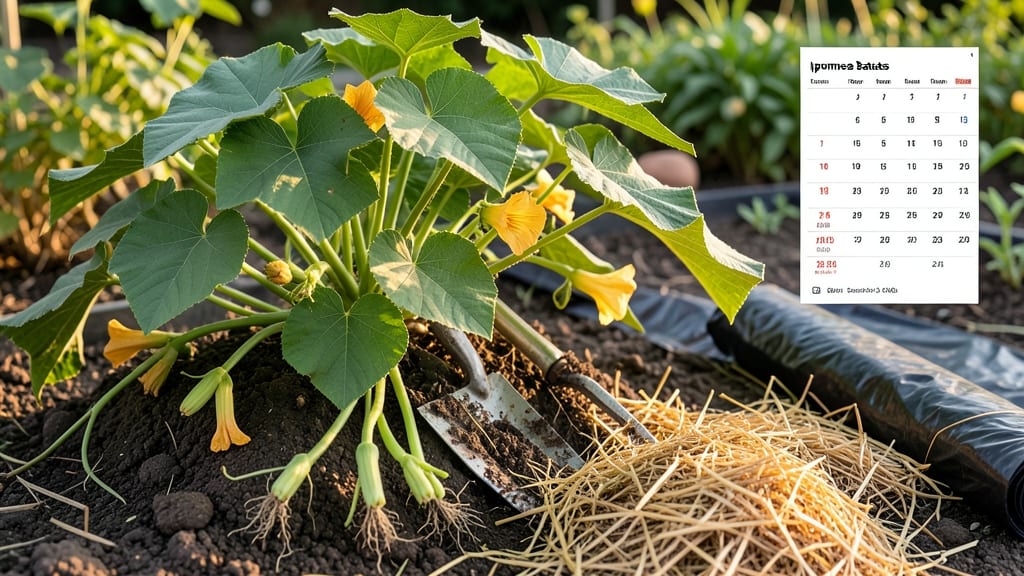
If you're dreaming of planting sweet potatoes in Kentucky, timing is the secret ingredient to success. The right window—whether for slips (young plants) or seeds—can turn your garden dreams into a bountiful harvest, while the wrong timing risks frost damage or stunted growth.
Kentucky’s unique climate, with its USDA zones 6a-7b and shifting microclimates, means the ideal planting window isn’t one-size-fits-all. Most gardeners swear by mid-April to mid-June, but local variations—like Louisville’s urban heat islands or Lexington’s cooler valleys—can shift those dates by 2-3 weeks.
What sets apart a thriving sweet potato patch from a failed attempt? It’s not just about avoiding frost—it’s mastering soil temperatures (65°F+), spacing, and post-planting care tailored to Kentucky’s humidity and heat patterns.
Let’s break down the exact steps to time your planting for a harvest that’ll make your neighbors jealous.
From pre-sprouting slips to mulching strategies that extend the growing season, I’ll cover everything you need to know to turn your Kentucky garden into a sweet potato goldmine—without the guesswork.
Kentucky’s frost-free zones and ideal sweet potato planting windows
Kentucky’s USDA Hardiness Zones 6a-7b create ideal conditions for growing sweet potatoes, but timing is critical. The average last frost date ranges from mid-April in southern regions to late April in northern areas.
Planting too early risks frost damage, while waiting too long shortens the 90-120 day growing season. Let’s break down the best windows for your specific microclimate.
Most Kentucky gardeners aim to plant sweet potato slips between mid-April and mid-June. This window ensures tubers mature before first frost (typically mid-October).
However, urban areas like Louisville often experience heat islands that allow slightly earlier planting, while rural areas in eastern Kentucky may need to wait until late May for safer soil temperatures.
Soil temperature is the real deciding factor. Sweet potatoes won’t thrive until the soil reaches at least 60°F, preferably 65°F+. Use a soil thermometer to confirm readiness—this is especially important in Zone 6a areas where cooler springs delay warming.
For early varieties like ‘Beauregard’, plant by May 1 in most regions. Late varieties such as ‘Georgia Jet’ can wait until late May to early June, giving them time to mature before frost. The key is balancing heat requirements with your local frost-free window.
| Region | USDA Zone | Last Frost Date | Ideal Planting Window | Soil Temp Threshold |
|---|---|---|---|---|
| Northern KY (e.g., Paducah) | 6a | April 20-May 1 | Late May-June 1 | 65°F+ |
| Central KY (e.g., Lexington) | 6b-7a | April 10-20 | Mid-April-June 15 | 60°F+ |
| Southern KY (e.g., Bowling Green) | 7a-7b | March 20-April 10 | March 30-May 15 | 58°F+ |
| Urban Heat Islands (e.g., Louisville) | 6b-7a | April 5-15 | Early April-June 10 | 60°F+ (warmer microclimate) |
If you’re unsure about your local frost dates, check the Kentucky Mesonet or your local Cooperative Extension Service for updated data. These resources provide hyper-local frost predictions that can shift your planting window by weeks.
For example, Lexington’s average last frost is April 15, but Bowling Green’s is often two weeks earlier.
Once you’ve confirmed your frost-free date, wait 2-3 weeks before planting to ensure soil stability. Sweet potatoes are heat-loving plants, and rushing them into cold soil leads to poor root development and stunted growth. A simple soil thermometer (around $15) is worth the investment for accurate readings.
For gardeners in Zone 6a, consider starting slips indoors under grow lights 4-6 weeks before your target planting date. This gives you a head start on the shorter growing season and increases your chances of a successful harvest before frost.
Remember: Sweet potatoes need warmth, not just frost-free conditions. The vines thrive in 80°F+ temperatures, so aim to plant when daytime highs consistently reach 75°F or higher. This usually aligns with late May in most of Kentucky, but urban areas may hit this threshold earlier.
Finally, account for variety maturity. Early varieties like ‘Centennial’ mature in 90 days, while late varieties like ‘Covington’ take 120 days. Match your planting date to your chosen variety’s needs—this ensures tubers reach full size before first frost.
🌱
Step-by-Step planting timeline for Kentucky gardeners
Timing your sweet potato planting in Kentucky isn’t just about avoiding frost—it’s about giving your slips the perfect 90-120 day growing window before the first frost. Here’s my month-by-month breakdown to ensure you’re planting at the ideal time for Kentucky’s climate.
Start by pre-sprouting slips indoors 2-3 weeks before your target outdoor planting date. Use sweet potato seeds (not store-bought tubers) in moist sphagnum moss or paper towels. Once sprouts reach 3-4 inches, they’re ready to transplant outdoors.
Mid-April to early May is the sweet spot for most of Kentucky, but verify your local last-frost date (typically April 15 for Louisville, April 20 for Lexington). Wait until soil temperatures hit at least 65°F—use a soil thermometer to confirm.
- Test soil pH (aim for 5.8-6.5); amend with lime or sulfur if needed.
- Loosen soil to 12 inches deep and mix in 3-4 inches of compost.
- Choose a sunny, well-draining spot with 6-8 hours of sunlight daily.
- Space slips 12-18 inches apart in rows 3 feet apart to allow vine spread.
- Plant 1 inch deep, covering roots but leaving the top 2 inches of the stem exposed.
- Water deeply after planting to settle soil around roots.
- Apply 3-4 inches of straw mulch to retain moisture and suppress weeds.
- Water deeply 2-3 times per week (morning only to prevent fungal diseases).
- Side-dress with balanced fertilizer (10-20-10) every 4-6 weeks starting in June.
- Harvest when vines yellow and die back (usually 90-120 days after planting).
- Dig gently with a fork to avoid piercing tubers; cure in 80-85°F for 10 days to sweeten.
- Store in a cool, dark place (55-60°F) for up to 6 months.
If you’re in a cooler microclimate (like northern Kentucky), consider using row covers to extend your growing season by 2-3 weeks. For urban gardeners, container-growing works too—just ensure pots are at least 12 inches deep and use fast-draining soil.
Pro tip: Plant a second crop in late June if you want a fall harvest. Use fast-maturing varieties like ‘Beauregard’ or ‘Georgia Jet’ to ensure tubers mature before frost. Just be prepared to harvest earlier (around 90 days) for these late plantings.
Sweet potatoes are forgiving, but timing and soil prep make all the difference. Follow this timeline, and you’ll be feasting on homegrown sweet potatoes long after store-bought ones disappear from shelves! 🍠