
Plants
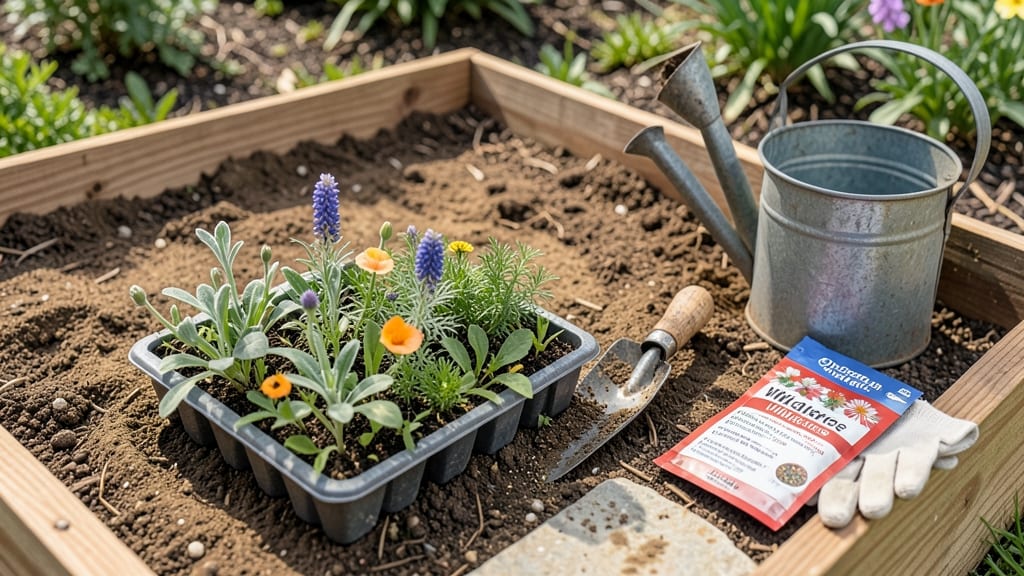
When to plant wildflower seeds in Oregon isn’t just about the calendar—it’s about dodging frost, rain, and even hungry critters that can turn your dream meadow into a snack bar. With 10 distinct microclimates, from foggy coastal shores to high-desert sunbathers, planting too early risks rot, while waiting too long might mean missed blooms.
I’ve tested the best windows across USDA zones 7b-9a, and the sweet spot for most Oregon gardeners is late winter to early spring (February–April) or late summer to early fall (August–September).
But here’s the catch: coastal areas like the Willamette Valley play by different rules than the high desert, where heat can dry out seeds faster than you can say “🌼.”
Whether you’re sowing native lupines or cheerful cosmos, this guide cuts through the guesswork. You’ll learn how to prep soil, pick the right seed mix for your zone, and avoid the 3 biggest mistakes that kill seedlings before they even sprout.
Let’s get those seeds in the ground at the perfect moment—no frostbite, no flops.
Ready to transform your yard into a pollinator paradise? I’ll walk you through the exact steps, from scattering seeds to nurturing them into a blooming spectacle that lasts all season. No more second-guessing—just vibrant, thriving wildflowers.
Oregon wildflower planting calendar by microclimate zone (with frost dates)
Oregon’s 10 distinct microclimates create wildly different planting windows—coastal areas stay damp and cool while high desert zones bake by summer. To succeed, align your wildflower seeding with your USDA zone’s frost dates and moisture patterns. Here’s the breakdown you need to avoid seed rot or frost damage.
Most Oregon gardeners focus on two planting windows: late winter/early spring (for spring blooms) and late summer/early fall (for fall/winter color). However, your last frost date can shift by 6+ weeks between coastal and desert zones.
For example, Astoria’s last frost is often May 15, while Bend’s is April 15.
Use this summary table to pinpoint your zone’s ideal planting window, then adjust based on your garden’s microclimate (e.g., south-facing slopes warm faster than shaded areas). Pro tip: Annual wildflowers (like California poppies) thrive with spring planting, while perennials (like Oregon sunshine) benefit from fall sowing.
🌱For coastal Oregon, aim for spring planting (March–April) to avoid fungal diseases from fall’s persistent moisture. In contrast, high-desert regions like La Pine or Burns thrive with late-summer/fall planting (August–September), as summer heat can bake seeds into dormancy.
Always check your local frost dates—the Oregon State University Extension offers free frost maps for precise guidance.
If you’re in Zone 8 or 9 (e.g., Medford or Brookings), you can even experiment with winter sowing (November–January) for spring ephemerals like blue-eyed grass. Just cover seeds lightly with straw mulch to protect them from freeze-thaw cycles.
For annual wildflowers, direct sowing is best—transplants often struggle with root shock in Oregon’s variable soils.
Pro move: Prep your soil 2–4 weeks before planting. For clay-heavy soils (common in the Willamette Valley), mix in compost and sand to improve drainage.
In sandy desert soils, add organic matter to retain moisture. Test your soil’s pH—most Oregon wildflowers prefer 6.0–7.0, but blue camas (a native favorite) thrives in acidic soil (5.0–6.0).
Once planted, water lightly but frequently (every 2–3 days) until seeds germinate. After germination, reduce watering to once weekly to prevent rot. Mulch with straw (not wood chips) to suppress weeds and retain moisture without smothering seedlings.
In high-desert areas, a light mulch also protects seeds from wind erosion.
Monitor for animal interference, especially in spring when deer and birds target tender seedlings. Use bird netting or deer fencing if needed—it’s a small price for vibrant blooms later. In
How to choose the right wildflower seed mix for Oregon’s climate
Oregon’s wildflower seed mixes aren’t one-size-fits-all—your coastal garden needs different varieties than high-desert meadows. Native seeds thrive better because they’re adapted to local rainfall patterns, soil types, and wildlife interactions. For example, lupine and yarrow love dry climates, while foxglove and columbine prefer moister, shaded spots.
Always check the mix’s USDA zone compatibility—Oregon spans 7b to 9a, so avoid seeds labeled for colder regions.
For spring blooms, opt for mixes with ephemerals like blue-eyed grass and California poppies. These germinate early and fade by summer, making room for summer perennials like blanket flower and goldenrod.
If you want year-round color, blend winter annuals (e.g., larkspur) with late-season bloomers (e.g., asters). Pro tip: Look for “Oregon-native” labels—these mixes skip invasive species and support local pollinators.
Drought-tolerant mixes are a game-changer for eastern Oregon’s high desert. Seeds like sagebrush and purple needlegrass need minimal watering once established, while coastal mixes often include moisture-loving sword ferns and salal. Always verify the mix’s watering needs—some “low-maintenance” blends still require weekly irrigation for the first year.
For shady gardens (common in the Willamette Valley), seek out woodland wildflower mixes with trillium or bleeding heart.
🌱 Top 5 Oregon-Adapted Wildflower Mixes by Region
- 1. Coastal Rainforest Mix: Foxglove, Columbine, Sword Fern – Thrives in shade with high humidity (e.g., Astoria, Seaside).
- 2. Willamette Valley Pollinator Blend: Yarrow, Lupine, Goldenrod – Drought-tolerant but loves moderate rain (e.g., Eugene, Salem).
- 3. High Desert Wildflower Pack: Purple Needlegrass, Blanket Flower, Sagebrush – Zero summer water once established (e.g., Bend, Burns).
- 4. Cascade Mountain Mix: Larkspur, Paintbrush, Mountain Laurel – Cold-hardy to Zone 5 (e.g., Mount Hood, Crater Lake).
- 5. Urban Oregon Sun-Lover: California Poppy, Coreopsis, Black-Eyed Susan – Full sun, low water (e.g., Portland, Medford).
Timing matters just as much as the mix. Spring-planted seeds (March–April) give you summer blooms, while fall-planted seeds (August–September) establish roots before winter rains. For annuals, spring planting is best—these need warm soil to germinate. Perennials, however, often prefer fall planting to avoid summer drought stress.
Always read the seed packet’s germination temperature range—some need 60°F+ soil, while others sprout in 40°F.
Skip pre-mixed blends if you want customization. Buy seeds individually to control bloom times or heights. For instance, pair tall lupine (3–4 ft) with low coreopsis (1–2 ft) to create a layered meadow.
Avoid non-native invasives like knapweed or thistle, which crowd out native species. Oregon’s Department of Agriculture offers a free invasive species list—bookmark it before shopping!
Test your soil’s pH (aim for 6.0–7.0) and drainage before planting. Volcanic soils (common in the Cascades) often need compost amendments, while sandy desert soils benefit from mulch to retain moisture.
Scatter seeds lightly—most need sunlight to germinate, so avoid burying them deeper than 1/4 inch. Water gently to avoid washing seeds away, especially on sloped terrain.