
Plants
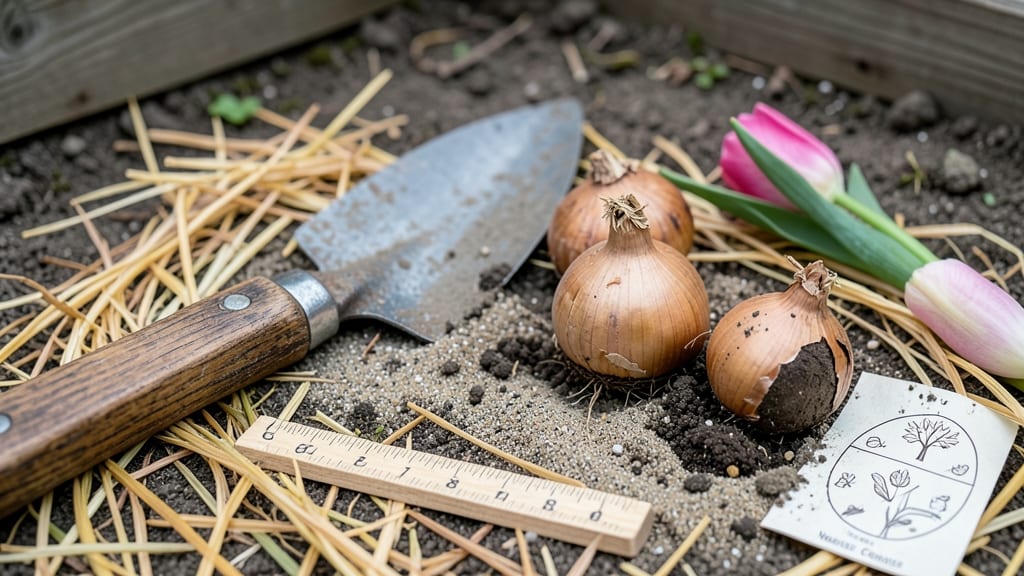
Kentucky’s best tulip planting months by USDA hardiness Zone (with frost date guide)
Kentucky’s USDA Zones 6a-7a create a unique challenge for tulip lovers—cool winters and warm springs demand precise timing. Most of the state falls in Zone 6a, where average first frost hits around October 15 and last frost lingers until April 15.
This narrow window means bulbs must go into the ground 6-8 weeks before freezing to establish roots before winter dormancy.
For Zone 7a (southern Kentucky), the window shifts slightly later—plant between mid-October and November 1st. The key is soil temperature: bulbs need 60°F soil to start rooting, but below 50°F triggers dormancy. Kentucky’s humid climate also means well-draining soil is non-negotiable to prevent bulb rot.
🌱 Kentucky Tulip Planting Timeline by Zone
| Zone | Ideal Planting Window | Soil Temp Requirement | First Frost Date | Key Action |
|---|---|---|---|---|
| 6a (Northern KY) | Late September - Mid-November | 60°F (15°C) dropping to 50°F (10°C) | October 15 | Plant by October 31 for best results |
| 7a (Southern KY) | Mid-October - November 15 | 60°F (15°C) dropping to 50°F (10°C) | November 1 | Plant by November 10 for safety |
| Both Zones | Last Chance: December (if soil isn't frozen) | 50°F (10°C) minimum | N/A | Use mulch to protect bulbs |
⚠️ Pro Tip: Check your local Almanac or Kentucky Mesonet for real-time frost forecasts—timing can vary by 1-2 weeks yearly!
If you miss the fall window, spring planting is possible but risky—tulips need 6-8 weeks of cold dormancy to bloom properly. For spring planting, use pre-chilled bulbs from garden centers and plant as soon as soil thaws (typically March in Kentucky).
However, spring-planted tulips may bloom later or skip flowering entirely.
For summer-flowering tulips (like Tulipa tarda), extend your window to late winter (February). These varieties thrive in Kentucky’s heat but require extra mulch to retain moisture. Always plant them deeper (8-10 inches) to protect from summer drought.
Kentucky’s humid summers demand well-draining soil—amend clay soil with compost or sand to prevent rot. After planting, apply 2-3 inches of mulch (straw or shredded leaves) to insulate bulbs and retain moisture. Remove mulch in early spring to allow sunlight to reach emerging shoots.
Don’t let late fall rains delay planting—bulbs can rot in soggy soil. If your garden stays waterlogged, create raised beds or plant on slopes for better drainage. For container gardening, use fast-draining mixes with perlite or vermiculite to mimic ideal conditions.
Remember: Tulips are perennials in Kentucky but may decline after 3-4 years due to bulb crowding. Dig and divide bulbs every 3-4 years in late summer to rejuvenate blooms. Store divided bulbs in a cool, dry place until fall replanting.
🌷 For boldest blooms, pair tulips with daffodils (which deer avoid) and alliums for height contrast. Kentucky’s spring rains will reward your timing with showstopping displays that last 2-3 weeks—longer with proper care!
5 Signs your Kentucky tulip planting timing is perfect (or too late)
Kentucky gardeners know timing is everything when planting tulip bulbs. But how do you know if you’ve planted at the perfect moment—or if it’s already too late? Here are the 5 key signs to watch for before sticking those bulbs in the ground.
First, check your soil temperature. Tulip bulbs need soil to be between 40°F and 50°F—any warmer, and they’ll sprout too early, risking frost damage. Use a soil thermometer for accuracy, especially in USDA Zone 6a (most of Kentucky).
Next, look for frost forecasts. Aim to plant 4-6 weeks before the first hard frost (typically mid-October in Kentucky). If frost is predicted within 2 weeks, your bulbs won’t have enough time to root before winter sets in.
Don’t overlook bulb firmness. Healthy tulip bulbs feel solid and heavy for their size—like a small potato. If they’re soft or shriveled, they’ve dried out and won’t perform well. Store them in a cool, dark place (like a garage) until planting day.
Finally, monitor moisture levels. Plant bulbs in soil that’s moist but not waterlogged. If Kentucky’s unpredictable rain rolls in, wait until the ground dries slightly to avoid rot. A quick test: Squeeze a handful of soil—if it crumbles easily, it’s ready.
If you’ve missed the ideal window, don’t panic! Planting in early December still works, but cover bulbs with 4–6 inches of mulch to protect them from freeze-thaw cycles. Just avoid spring planting—tulips need winter dormancy to bloom.
Pro tip: Mark your planting date on a calendar so you’re ready next year. Consistency is key for vibrant spring blooms that’ll make your Kentucky garden the talk of the neighborhood! 🌷