
Plants
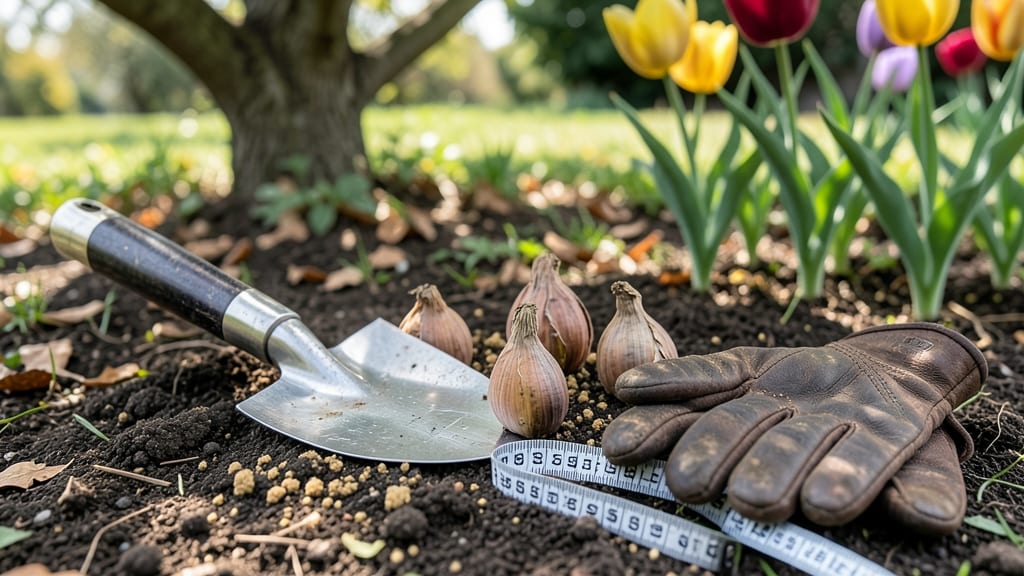
Timing your tulip planting in Kentucky isn’t just about the calendar—it’s about catching that sweet spot between fall chill and frost to ensure vibrant blooms next spring. Get it wrong, and you might be staring at bare soil for another year.
The key? Planting between October and November, when soil temps dip but haven’t frozen solid.
Why does this matter so much? Tulips need 6-8 weeks of cool weather to root before winter sets in. In Kentucky’s USDA Zone 6a, that means aiming for late October—right after the first frost but before the ground locks up.
Rural areas may have a slightly longer window than urban spots, where microclimates can throw off timing.
Here’s the game-changer: most gardeners focus on when to plant, but the real secret is how to prep the soil first. We’ll walk you through Kentucky-specific tips—like adjusting drainage and layering compost—to give your 🌷 tulips the perfect start.
Skip this step, and even the best timing won’t guarantee those showstopping blooms.
Ready to transform your garden? Let’s break down the exact dates, soil prep, and common mistakes Kentucky growers make—and how to avoid them. Your spring color palette starts with these 4 simple steps this fall.
Kentucky tulip planting dates by USDA hardiness zone (exact timing)
Kentucky's USDA zones 6a-7b create a perfect climate for tulips, but timing is critical. Planting too early or late can stunt bulb growth or even kill them before winter. The ideal window is 4-6 weeks before ground freezes, typically October through early November for most of the state.
In zone 6a (northern KY), aim for mid-October to early November—this gives bulbs time to root before average first frost dates around October 15. For zone 7b (southern KY), you have until late November since frosts arrive 2-3 weeks later than northern regions.
🌷 Pro Tip: Use a soil thermometer to confirm 60°F soil temps—this signals bulbs can safely root before winter dormancy.
🌱 Kentucky Tulip Planting Schedule by Zone
| Zone | Optimal Planting Window | Soil Temp Threshold | Frost Considerations |
|---|---|---|---|
| 6a (Northern KY) | Mid-October to early November | 60°F (15.5°C) | First frost: Oct 15 |
| 6b (Central KY) | Late October to mid-November | 60°F (15.5°C) | First frost: Oct 22 |
| 7a (South-Central KY) | Late October to late November | 60°F (15.5°C) | First frost: Nov 1 |
| 7b (Western KY) | Late October to early December | 60°F (15.5°C) | First frost: Nov 8 |
🌱 Note: Adjust 1-2 weeks earlier for urban areas (warmer microclimates) or later for high-elevation sites (cooler temps).
If you miss the fall window, spring planting is possible but risky. Tulips planted in March need immediate watering and may bloom 6-8 weeks later than fall-planted bulbs. For best results, stick to fall planting—it’s the only guaranteed way to get full-sized blooms next spring.
🌿 Regional Tip: In western Kentucky (zone 7b), where winters are milder, you can push planting to early December—just ensure bulbs are in the ground before consistent freezing temps arrive. Use mulch (3-4 inches) to insulate bulbs through winter.
For naturalized plantings (wildflower-style gardens), scatter bulbs in September—this gives them extra time to establish roots before winter. Just be prepared for smaller first-year blooms as bulbs focus on root growth.
💡 Advanced Tip: If you’re planting in containers, use a soil thermometer to monitor temps—potted bulbs warm up faster than in-ground plantings and may need earlier planting (by 2 weeks) to avoid overheating.
Finally, avoid planting tulips after November 15 in most of Kentucky—bulbs won’t have enough time to root before winter dormancy. If you’re unsure about your frost date, check the National Weather Service’s historical data for your county or use a frost calendar app for real-time updates.
How to prepare Kentucky soil for tulip bulbs (step-by-step guide)
Kentucky’s clay-heavy soils and humid climate can challenge tulip bulb success, but with the right prep, your bulbs will thrive. The key is creating well-draining, nutrient-rich soil that mimics their native conditions in Central Asia.
Start by testing your soil’s pH level—tulips prefer a slightly acidic to neutral range of 6.0 to 7.0.
Most Kentucky gardens have compacted soil that needs aeration. Use a broadfork or garden fork to loosen the top 12 inches of soil where you’ll plant. This helps roots penetrate easily and prevents rot from poor drainage.
If your soil is particularly dense, mix in 2-3 inches of compost or well-rotted manure to improve structure.
- Test soil pH (aim for 6.0–7.0). Use a home test kit or send a sample to your local Cooperative Extension.
- Loosen soil with a fork to 12-inch depth. Break up clods and compaction.
- Amend with compost (2–3 inches). Mix in sand or perlite if soil is clay-heavy.
- Add bone meal (1 tbsp per bulb). Boosts phosphorus for root growth.
- Rake evenly and create mounds or trenches for bulbs (6–8 inches deep).
Kentucky’s high rainfall can lead to waterlogged soil, which is deadly for tulip bulbs. If your garden sits in a low spot, create raised beds or plant bulbs on mounds to ensure excess water drains away.
For heavy clay soils, blend in coarse sand or perlite (20% of the soil mix) to improve drainage without altering fertility.
One often-overlooked step is layering organic matter before planting. Spread a 2-inch layer of mulch (like hardwood chips or straw) after planting to retain moisture and regulate soil temperature. Avoid fresh wood chips, as they can tie up nitrogen and stunt early growth.
For urban gardens with limited space, consider container planting. Use pots with drainage holes and fill them with a mix of 50% potting soil, 30% perlite, and 20% compost. This ensures bulbs get the aeration and drainage they need, even in small areas.
Finally, avoid fertilizing at planting time. Tulip bulbs store enough nutrients to sprout, and fresh fertilizer can burn tender roots. Wait until early spring (March) to apply a light balanced fertilizer (like 10-10-10) when shoots emerge.