
Vegetables
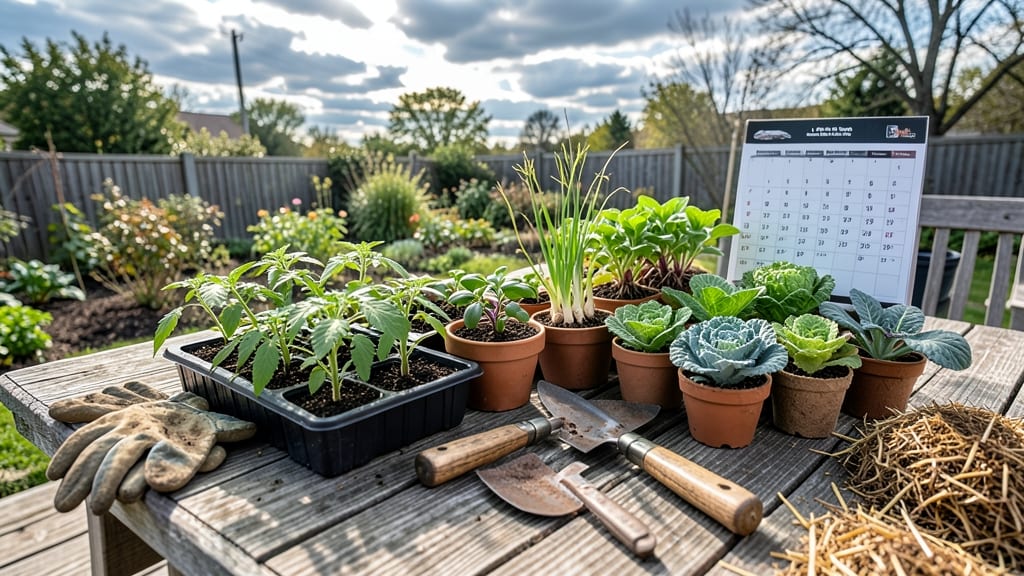
Timing your vegetable planting in South Carolina can mean the difference between a bountiful harvest and a sad pile of wilted leaves. With 200-240 frost-free days in most zones, you’ve got plenty of time—but only if you play by the rules of the Palmetto State’s climate.
I’ve learned the hard way that planting too early can leave your 🥕 vulnerable to late frosts (hello, mid-March surprises!), while waiting too long might mean your tomatoes bolt before they ripen. The key?
Knowing when to start seeds indoors, when to transplant heat-lovers like peppers, and how to adjust for your specific corner of SC—whether you’re in the humid Lowcountry or the cooler Piedmont.
In this guide, I’ll break down the exact windows for spring and fall crops, which varieties thrive in SC’s summer heat, and how to stretch your growing season so you’re harvesting well into October. No more guessing—just proven strategies for your zone.
Ready to turn your garden dreams into reality? Let’s get those seeds in the ground at the perfect moment.
South Carolina frost dates & exact planting windows by month
South Carolina’s USDA Zones 7b-8a give gardeners a 200-240 day frost-free season, but exact planting windows vary by region.
The Coastal Plain (e.g., Charleston) enjoys earlier last frosts (mid-March) than the Piedmont (e.g., Columbia, late March), while the Mountains (e.g., Greenville) can see frost until mid-April. Always check your local SC State Climatology data for precise dates.
For cool-season crops like lettuce and peas, start seeds 4-6 weeks before your area’s last frost date. Warm-season crops such as tomatoes and peppers need soil temps above 60°F—plant them 2-3 weeks after your last frost.
In coastal areas, this means mid-April for tomatoes, while inland regions can wait until late April.
Here’s your month-by-month planting guide for South Carolina, tailored to the state’s three main regions. Use this as your roadmap to avoid common pitfalls like frost damage or heat stress in delicate seedlings.
| Month | Cool-Season Crops (Direct Sow) | Warm-Season Crops (Transplant) | Soil Prep Tip |
|---|---|---|---|
| February | Peas, spinach, onions (Coastal) | None (too early) | Test soil pH (6.0-7.0); add compost |
| March | Lettuce, broccoli, carrots (all regions) | Start pepper/eggplant indoors | Mulch to retain moisture; protect from late frosts |
| April | Radishes, kale, potatoes (after frost) | Tomatoes, cucumbers (after last frost) | Warm soil with black plastic mulch |
| May | Green beans, beets (late May) | Sweet corn, squash (soil >65°F) | Side-dress with compost; water deeply |
| June-August | Malabar spinach, okra (heat-lovers) | Peppers, eggplants (succession plant) | Shade cloth for seedlings; mulch heavily |
| September | Turnips, collards, lettuce (shade-tolerant) | Broccoli, cabbage transplants | Add aged compost; extend season with row covers |
🌱 Pro Tip: Coastal areas can plant 2-3 weeks earlier than Piedmont/Mountains.
If you’re in the Coastal Plain, don’t rush to plant warm-season crops—soil can stay cool longer near the coast. Use a soil thermometer to confirm temps are above 60°F before transplanting tomatoes or peppers.
Inland gardeners should wait until late April for these heat-lovers to avoid blossom drop from nighttime chills.
For fall planting, aim to harvest most crops before the first frost (mid-November). Start broccoli and cabbage in late July for a September-October harvest, and plant radishes and lettuce in August for quick fall greens. Use row covers to extend harvests into early November if needed.
Microclimates matter! A south-facing slope warms up faster than a north-facing garden, so adjust your planting dates accordingly. Urban gardens in Columbia or Charleston often experience 2-3°F warmer soil temps than rural areas—use this to your advantage by planting heat-sensitive crops slightly earlier.
Always monitor hurricane season (June-November)—storms can delay planting or damage young seedlings. Keep a backup supply of seeds and consider raised beds for better drainage in flood-prone areas. With these adjustments, you’ll maximize your South Carolina harvest potential year after year.
🌿 Now that you’ve got your frost dates locked in, let’s dive into the 10 best heat-tolerant vegetables for South Carolina
Best heat-tolerant vegetables for SC’s summer planting (June–August)
South Carolina’s summer heat can be brutal for many vegetables, but some thrive in the 90°F+ temperatures and high humidity. Choosing the right heat-tolerant varieties ensures a bountiful harvest instead of wilted disappointment.
My top picks include okra, sweet potatoes, and malabar spinach, which not only survive but flourish in the Lowcountry’s sweltering afternoons.
Timing is critical—most warm-season vegetables should be planted 2-3 weeks after your last frost date (typically mid-April in the Coastal Plain). For example, peppers and tomatoes love the heat but need time to establish roots before the real summer heat hits.
Start seeds indoors in late March or buy sturdy transplants from local nurseries by May 1.
Here’s a breakdown of my top 10 heat-tolerant vegetables for South Carolina’s summer garden, including when to plant and how to keep them thriving:
🌱 Top 10 Heat-Tolerant Vegetables for SC Summers
- Okra – Plant May–June; thrives in 90°F+ and produces pods for weeks. Try 'Clemson Spineless' for reliable yields.
- Sweet Potatoes – Start slips late May–early June; loves full sun and heat. Harvest in 90–120 days for sweet, starchy roots.
- Malabar Spinach – A tropical alternative to regular spinach; plant April–July. Grows like a vine and tolerates humidity and heat.
- Peppers (Bell & Hot) – Transplant April–May after frost. 'Carolina Wonder' peppers are bred for SC’s heat and produce until frost.
- Tomatoes – Plant late April–May; choose heat-set varieties like 'Celebrity' or 'Solar Fire'. Mulch heavily to retain moisture.
- Southern Peas (Cowpeas) – Plant May–July; drought-tolerant and fixes nitrogen in the soil. Try 'Purple Hull' for a classic SC flavor.
- Eggplant – Transplant April–May; loves heat and well-draining soil. 'Black Beauty' is a reliable choice for SC gardens.
- Cucumbers – Sow seeds May–June; use trellises to save space and improve airflow. 'Straight Eight' is a SC favorite.
- Squash (Summer & Winter) – Plant April–May; 'Yellow Crookneck' or 'Butternut' varieties handle heat well. Watch for squash vine borers!
- Collard Greens – A cool-season crop that surprisingly tolerates light summer heat if planted in late July–August for a fall harvest.
For maximum success, pair these vegetables with companion plants to deter pests and improve growth. For example, basil near tomatoes enhances flavor and repels flies, while marigolds around peppers keep nematodes at bay. Mulching with straw or pine needles helps retain moisture and keeps roots cool during SC’s scorching afternoons.
Remember, succession planting is key—especially for fast-growing crops like okra and cucumbers. Sow new seeds every 2–3 weeks to ensure a continuous harvest until the first frost. With the right timing and heat-loving varieties, your summer garden will be a bountiful oasis instead of a wilted disappointment.
🌿