
Vegetables
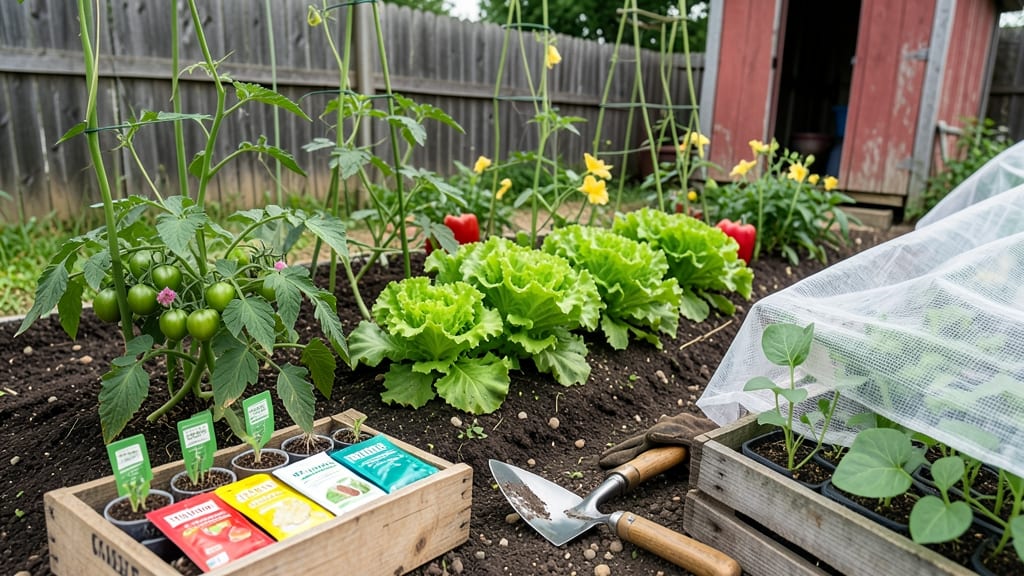
Timing your vegetable planting in Tennessee can mean the difference between a bountiful harvest and a sad, wilted disappointment. With frost dates varying from Zone 6 in the mountains to Zone 8 in the western plains, getting it right is everything.
I’ve spent years growing everything from tomatoes to leafy greens across Tennessee’s diverse climate, and I can tell you—skipping the right window means missing peak flavor and yield.
Whether you’re a first-time gardener or a seasoned grower, knowing exactly when to plant cool-season crops like lettuce or warm-season favorites like peppers is the key to success.
In this guide, I’ll break down the exact planting windows for your region, including frost dates and microclimate tips. You’ll learn how to stretch your growing season, avoid common mistakes, and enjoy homegrown veggies all summer long.
Ready to turn your garden into a productive powerhouse? Let’s get started with the perfect timing for your Tennessee vegetable patch.
Tennessee planting zones: when to start seeds and transplants by region
Tennessee spans USDA Hardiness Zones 6-8, creating wildly different planting windows from the Appalachian Mountains to the Tennessee Valley. In Zone 6 (e.g., Nashville, Chattanooga), last spring frosts average mid-April to early May, while Zone 8 (Memphis, Knoxville) sees them as early as mid-March.
First fall frosts range from late October in Zone 6 to mid-November in Zone 8, forcing careful timing for warm-season crops like tomatoes and peppers.
Your microclimate matters. A sheltered valley may frost 2 weeks later than a hilltop garden, so adjust your schedule accordingly. I’ve planted tomatoes in Zone 7 only to lose them to a late-May frost—until I moved them to a south-facing slope where warmth lingers longer.
Pay attention to these local frost averages to avoid costly mistakes.
🌱
For cool-season crops like spinach, kale, and peas, start seeds 4-6 weeks before your last frost date. In Zone 6, that means
Best vegetables for Tennessee’s short vs. long growing seasons
Tennessee’s USDA Zones 6-8 create unique challenges—and opportunities—for gardeners. In Zone 6, shorter growing seasons demand fast-maturing varieties, while Zone 8 gardeners can stretch harvests with heat-tolerant crops. Knowing which veggies thrive in your microclimate makes all the difference between a bountiful harvest and a disappointing yield.
For cool-season crops like lettuce and spinach, timing is critical. Plant them 4-6 weeks before your last frost date (typically mid-March to early April in most of TN). In Zone 6, where frost lingers longer, opt for 30-45 day varieties to avoid bolting.
Meanwhile, Zone 8 gardeners can enjoy two full harvests of greens—one in early spring and another in fall.
Warm-season crops like tomatoes and peppers need soil temperatures above 60°F to thrive. In Zone 6, wait until mid-May to transplant seedlings, while Zone 7-8 gardeners can start as early as late April.
Heat-tolerant varieties like ‘Celebrity’ tomatoes or ‘Jalapeño M’ peppers are perfect for Zone 8’s longer summers.
Here’s how to maximize your harvest based on your Tennessee region:
Prioritize fast-maturing crops with 60-75 day harvest times.
- Top Picks: Bush beans, radishes, zucchini, kale
- Avoid: Slow-growing varieties like heirloom tomatoes
Balance early starts with heat tolerance.
- Top Picks: Cherry tomatoes, Swiss chard, green onions
- Pro Tip: Succession plant every 2 weeks for continuous harvests
Leverage extended summers with heat-loving varieties.
- Top Picks: Okra, sweet potatoes, eggplant
- Bonus: Plant fall crops like carrots in August for winter harvests
Don’t overlook cold-hardy crops like broccoli and cabbage, which can handle light frosts and even thrive in Zone 6’s cooler springs. For Zone 8, experiment with tropical crops like peppers or sweet corn—they’ll reward you with longer harvest windows.
Pro tip: Use microclimates to your advantage. A south-facing wall or raised bed can warm soil faster, letting you plant 2-3 weeks earlier in Zone 6. Similarly, shade cloth in Zone 8’s peak summer protects heat-sensitive crops like lettuce from bolting.
By matching your vegetable choices to your local growing season, you’ll turn Tennessee’s climate challenges into harvest opportunities. Start with the fastest-maturing varieties in Zone 6, and don’t hesitate to push limits in Zone 8 with heat-tolerant and season-extending techniques.