
Vegetables
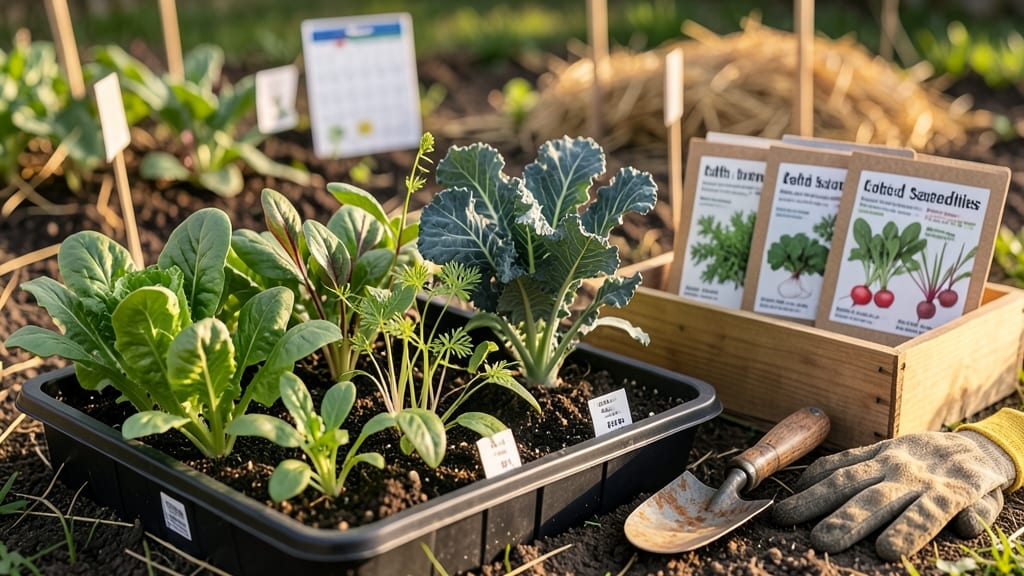
Timing your vegetable planting in Zone 3 isn't just about following a calendar—it's about outsmarting frost and maximizing your garden's potential. One wrong move, and your hard work could end up as a sad, frozen snack for squirrels instead of a delicious harvest.
The difference between a thriving garden and a disappointing one often comes down to knowing exactly when to plant each type of vegetable.
Let me show you how to pinpoint the perfect planting windows for your favorite vegetables, whether you're growing cool-season 🌱 greens like spinach or heat-loving tomatoes. We'll cover frost dates, soil temperatures, and even how to stretch your growing season with clever tricks.
No more guessing games—just science-backed timing that works for Minnesota, Wisconsin, and other Zone 3 regions.
You'll discover which vegetables thrive when planted early, which need to wait for warmer soil, and how succession planting can give you fresh produce all season long. I'll walk you through the most common mistakes Zone 3 gardeners make and how to avoid them.
Ready to turn your garden dreams into reality? Let's get started.
This isn't just another planting guide—it's your roadmap to a garden that actually produces. With these exact timing strategies, you'll know when to put seeds in the ground, when to transplant seedlings, and how to protect your plants from late frosts.
Your future harvest is waiting—let's make sure it's the best one yet.
Zone 3 frost dates and exact planting windows by vegetable type
In Zone 3, where winters are long and summers brief, knowing your last spring frost and first fall frost dates is essential. These dates determine when to plant cool-season crops like lettuce and warm-season crops like tomatoes.
For most of Zone 3, the last frost typically falls between May 10–20, while the first frost arrives around September 20–October 10. However, elevations and microclimates can shift these dates by weeks.
For example, Minneapolis, MN averages its last frost on May 15, while Detroit, MI sees frost-free conditions by May 10. Always check your local frost-free date calculator (like the Old Farmer’s Almanac) to fine-tune your schedule.
Planting too early risks frost damage, while waiting too long shortens the growing season.
Here’s a quick guide to cool-season vs. warm-season crops and their ideal planting windows in Zone 3:
| Vegetable Type | Planting Window | Days to Maturity | Notes |
|---|---|---|---|
| Cool-Season Crops | Early Spring (March–April) or Late Summer (July–August) | 30–90 days | Lettuce, spinach, peas, kale (tolerate light frost) |
| Warm-Season Crops | After last frost (May–June) | 60–120 days | Tomatoes, peppers, cucumbers (need warm soil) |
| Heat-Tolerant Crops | Late June–July | 45–80 days | Okra, sweet potatoes, Swiss chard (thrive in heat) |
For cool-season crops, start seeds indoors 4–6 weeks before your last frost date. Harden off seedlings before transplanting after the soil reaches 40°F. Warm-season crops like tomatoes need soil temperatures above 50°F—wait until mid-May in most of Zone 3.
Use black plastic mulch to warm soil faster if needed.
Succession planting is key in Zone 3. For example, sow lettuce every 2 weeks from April to July to ensure a continuous harvest. Similarly, plant bush beans in early June and again in late July for a double crop. This strategy maximizes your short season and reduces waste.
Don’t overlook fall planting! Many cool-season crops thrive when planted in August for a late harvest. Radishes, spinach, and kale can tolerate light frosts, so seed them 6–8 weeks before your first frost. Use row covers to protect tender greens if early frosts threaten.
Regional variations matter. In northern Zone 3 (e.g., Duluth, MN), plant 2 weeks later than in southern areas (e.g., Chicago, IL). Elevation also plays a role—higher altitudes (like the Upper Peninsula of Michigan) have cooler soils and shorter seasons. Adjust your schedule accordingly.
Pro tip: Use a planting calendar tailored to your city. Many local extension offices provide free, downloadable guides with hyper-local frost data. For example, the University of Minnesota Extension offers tools for Minnesota gardeners, while Michigan State University provides resources for Michigan’s diverse climates.
Remember, soil temperature is just as critical as air temperature. Use a soil thermometer to confirm readiness—40°F for peas, 60°F for tomatoes. Cold soil can stunt growth or prevent germination entirely. If your soil is too cold, wait or use heat mats for seedlings.
Finally, keep a gardening journal to track your frost dates and planting success. Over time, you’ll refine your schedule to match your unique microclimate. Zone 3 gardening is challenging, but with precise timing and a few tricks, you can enjoy a bountiful harvest even in cold climates! 🌱
How to extend your Zone 3 growing season for late crops
Zone 3’s short growing season doesn’t mean you’re stuck with early harvests. With the right strategies, you can push your planting deadlines and enjoy fresh veggies well into fall. The key is protecting tender plants from late frosts while maximizing warmth.
I’ve tested these methods in my own garden—some work better than others, depending on your budget and effort level.
One of my top tricks is using row covers (lightweight fabric) to shield plants like spinach and kale from light frosts. These covers trap heat during the day and insulate at night, buying you an extra 2-3 weeks of growing time.
For even more protection, cold frames create microclimates that can extend the season by 4-6 weeks, but they require more setup.
Another game-changer is succession planting. Instead of planting all your bush beans or lettuce at once, stagger plantings every 2 weeks. This ensures a steady harvest while keeping the soil productive.
Pair this with heat-tolerant varieties like ‘Heatmaster’ tomatoes or ‘Black Seeded Simpson’ lettuce, which thrive in warmer conditions.
🌱 Pro Tip: Black plastic mulch warms the soil faster than bare ground, helping peppers and eggplants mature sooner. In my trials, soil under black plastic reached 60°F (15°C) 10 days earlier than uncovered beds—critical for heat-loving crops.
| Method | Season Extension | Cost | Effort |
|---|---|---|---|
| Row Covers | 2-3 weeks | Low ($10-$20) | Low |
| Cold Frames | 4-6 weeks | Medium ($50-$150) | Medium |
| Succession Planting | 3-5 weeks | None | Low |
| Black Plastic Mulch | 1-2 weeks (soil warmth) | Low ($5-$15) | Medium |
For high-value crops like tomatoes or peppers, I combine methods: black plastic mulch to warm the soil, row covers for frost protection, and succession planting to stagger harvests. This approach lets me enjoy tomatoes until early October—months after my neighbors’ plants have died back.
Don’t forget to monitor soil temperatures with a simple probe. Most warm-season crops need soil at 60°F (15°C) before planting. If your soil is still cold, hold off—even the best season-extending tricks won’t help if roots are chilled. Patience pays off in stronger plants and bigger yields.
🌿 Final Tip: Start small with one method (like row covers) to test what works in your microclimate. Once you see results, expand to other techniques. My first year with cold frames added $200 worth of extra produce—worth every minute of setup!