
Vegetables
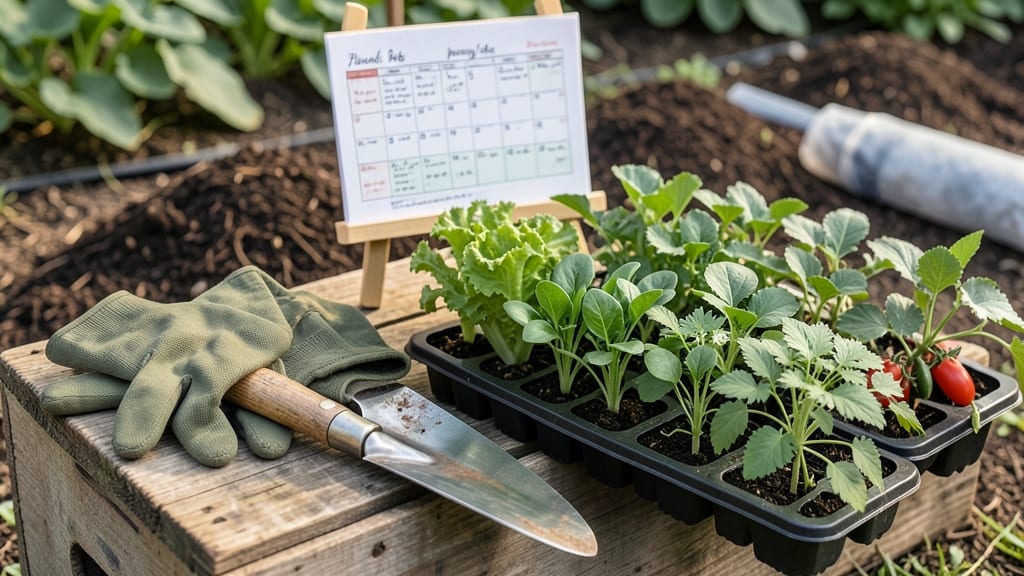
Timing your vegetable planting in Zone 6B isn't just about throwing seeds into the dirt—it's the key to unlocking a bountiful harvest or watching your hard work wither before it even begins.
With last frost dates typically landing between April 15-30 and first frosts creeping in by October 15, you've got a narrow window to work with.
Whether you're a first-time gardener or a seasoned green thumb, getting these dates right means the difference between a thriving garden and a sad, half-grown 🌱 patch.
I've spent years testing what works in this zone, and the biggest mistake I see? Planting too early when the soil is still cold or too late when summer heat arrives.
Cool-season crops like lettuce and peas need to go in as soon as the ground is workable, while tomatoes and peppers demand warmth—so knowing when to make that move is everything.
Let me show you exactly when to plant each type of vegetable so you can maximize your growing season without the guesswork.
What if you could extend your harvests even further? The secret lies in understanding how to adjust for early or late varieties, using simple tricks like row covers or succession planting.
I'll walk you through the exact strategies that have helped Zone 6B gardeners like you push their seasons to the limit. No more wasted seeds or missed opportunities—just a garden that keeps giving from spring to fall.
Ready to stop second-guessing your planting schedule? By the end of this guide, you'll have a clear roadmap for timing everything from your first cool-season crops to your last warm-season harvests. Let's get those vegetables in the ground at the perfect moment—because in Zone 6B, timing really is everything.
Zone 6B frost dates and planting windows by vegetable type
Understanding Zone 6B frost dates is the foundation of successful vegetable gardening. In this zone, the average last frost date typically falls around April 15-30, while the first frost usually arrives between October 15-30.
These dates create a 180-210 day growing season, which directly impacts when you can plant different vegetables.
Vegetables generally fall into two categories: cool-season crops that thrive in cooler temperatures and warm-season crops that need heat to grow. Cool-season crops like lettuce and peas can often be planted 4-6 weeks before the last frost, while warm-season crops like tomatoes and peppers should wait until 2-3 weeks after the last frost when soil temperatures reach at least 60°F (15°C).
Here's a quick reference for Zone 6B planting windows based on frost dates and crop types. This table covers the most popular vegetables and their ideal planting times to maximize your harvest.
August 1 - September 15
August 15 - September 15
July 15 - August 15
July 15 - August 1
For cool-season crops, early planting is key. I always start with hardy greens like kale and spinach in late winter, even if I use row covers to protect young plants.
These can often survive light frosts, giving you an early harvest. Root vegetables like carrots and beets also do well when planted early, as long as the soil isn't frozen or waterlogged.
When it comes to warm-season crops, patience is essential. Tomatoes and peppers, for example, won't thrive if planted too early. I wait until the soil temperature reaches 60°F (15°C) and the air temperature consistently stays above 50°F (10°C).
Using a soil thermometer helps me track this accurately. For extra insurance, I often start these plants indoors 6-8 weeks before the last frost date.
Don't forget about succession planting for crops like lettuce, beans, and carrots. This means planting new seeds every 2-3 weeks to ensure a continuous harvest.
For example, I might plant a batch of lettuce in early April, another in mid-May, and a final one in early July to enjoy fresh greens all season long.
Local microclimates can also affect your planting schedule. If you live near a large body of water or in a low-lying area, your last frost might come later than average. Conversely, hilltops or urban areas
How to adjust planting times for early vs. late varieties in zone 6B
In Zone 6B, extending your growing season isn't just about planting on time—it's about choosing the right varieties and using smart strategies to protect tender plants. Early varieties mature faster, while late varieties can handle cooler temperatures, giving you flexibility to adjust planting windows based on your goals.
For cool-season crops like spinach or kale, early varieties like 'Bloomsdale Long Standing' lettuce can be sown as soon as the soil reaches 40°F in late winter. Meanwhile, late varieties like 'Winter Density' kale tolerate light frosts and can be planted until mid-September for fall harvests.
Warm-season plants like tomatoes and peppers need a longer growing season.
Early varieties such as 'Early Girl' tomatoes can be started indoors 6-8 weeks before your last frost date (around March 15 in most of Zone 6B), while late varieties like 'Brandywine' thrive when planted after May 1 to avoid early blight.
🌱 5 Key Strategies for Adjusting Planting Times
- Succession Planting: Sow seeds every 2-3 weeks for continuous harvests (e.g., beans, lettuce, radishes).
- Cold Frames: Extend early spring planting by 3-4 weeks using clear plastic covers to trap heat.
- Row Covers: Protect tender seedlings from late frosts (use lightweight fabric like Reemay).
- Heat-Tolerant Varieties: Choose plants like 'Malaga' cucumbers that thrive in 85°F+ temperatures.
- Frost-Resistant Selections: Opt for 'Winterbor' kale or 'Winter Density' kale for fall/winter harvests.
Microclimates play a huge role in Zone 6B. A south-facing slope warms up faster, allowing you to plant warm-season crops 1-2 weeks earlier. Conversely, low-lying areas may need row covers to protect plants from lingering cold snaps.
For peppers and eggplants, which are sensitive to cold, start seeds indoors 8-10 weeks before your last frost date. Transplant outdoors only after soil temperatures reach 60°F—usually mid-May in Zone 6B. Use black plastic mulch to warm the soil faster and give these heat-lovers a head start.
Don't forget about fall planting! Many vegetables like carrots, beets, and broccoli can be sown in late summer (August) for harvests before winter sets in. Use straw mulch to insulate roots and protect against early frosts.